How does one deal with an unknown orange force? This is the pressing question confronting both major parties in South Australia’s state election, as polling trends indicate One Nation is surging ahead of the Liberal Party in primary votes. The success or failure of One Nation in South Australia will be closely scrutinized by national observers, serving as an early indicator of the right-wing party’s potential rise on a federal level.
Historically, this is not the first time Labor and Liberal strategists in South Australia have grappled with the emergence of a new political force. In the lead-up to the 2018 state election, polls suggested that former crossbench senator Nick Xenophon might secure enough lower house seats to become premier under his “SA-Best” party banner. However, the major parties soon intensified their focus on Xenophon’s policies, ultimately stifling his momentum.
Comparisons and Contrasts: One Nation vs. SA-Best
Former ABC chief elections analyst Antony Green has drawn parallels between One Nation and the SA-Best phenomenon. “Will the other parties just tend to ignore One Nation or attack them directly?” he pondered earlier this month. “With Nick Xenophon, they attacked Nick Xenophon; I’m not sure whether they’ll do that with One Nation or whether they’ll just try to ignore them and keep them out of the campaign.”
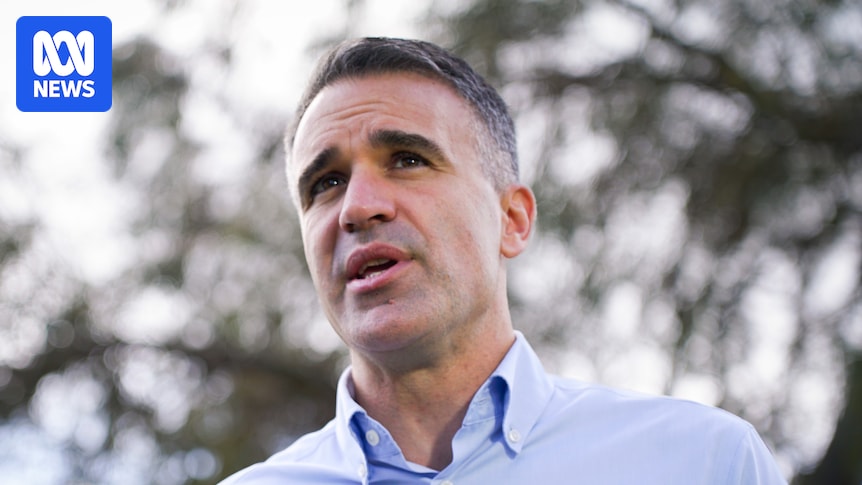
There are indications that the parties now believe One Nation’s rise should be addressed head-on. Premier Peter Malinauskas, during a business lunch on Wednesday, acknowledged One Nation’s growing influence, saying, “My message to One Nation voters is who’s going to feed you and bathe you and wipe your bum when you’re 90?” He emphasized the need for migration to sustain the workforce, adding a pointed remark about One Nation’s new South Australian leader, Cory Bernardi.
“Just like ‘Malinauskas’ isn’t a name that came out on the first fleet, nor is ‘Bernardi’,” the Premier quipped.
Political Dynamics and Media Attention
The Premier’s comments sparked widespread media coverage and an unexpected coalition of criticism from both the Greens and One Nation. Cory Bernardi responded, claiming the Premier’s remarks were a “disservice to not only carers but himself,” highlighting the importance of caring for the elderly as a meaningful career.
Despite the attention on Malinauskas, Liberal leader Ashton Hurn is struggling to capture similar media focus. Her leadership coincided with major distractions, including the Bondi terror attack and the Adelaide Oval Test, which diverted public attention from political discourse. The cancellation of Adelaide Writers’ Week further dominated headlines, overshadowing both Labor announcements and any opposition efforts.
Liberal Party’s Struggle for Visibility
As the federal Coalition faced internal turmoil, culminating in Sussan Ley’s departure, the Liberal Party’s brand suffered additional blows. “Canberra is Canberra,” Hurn remarked, emphasizing her focus on South Australian issues amidst the national chaos.
Meanwhile, South Australians have been captivated by major events like the LIV Golf tournament and the Premier’s successful bid to host the MotoGP, previously held in Victoria. These events have bolstered Malinauskas’s image, while the Liberals find themselves in an awkward position of supporting such initiatives without crediting the Premier excessively.
“Whilst events are fantastic for the vibrancy, we also need to focus on the important things as well, like the health system which is crumbling,” Hurn commented on the MotoGP announcement.
Looking Ahead: Challenges and Opportunities
With the election looming on March 21, Hurn will have more opportunities to stand on equal footing with the Premier. However, she will need more than just equal airtime to reverse the political tide threatening her party’s future. The coming weeks will be crucial as both major parties navigate the complexities of South Australia’s evolving political landscape.