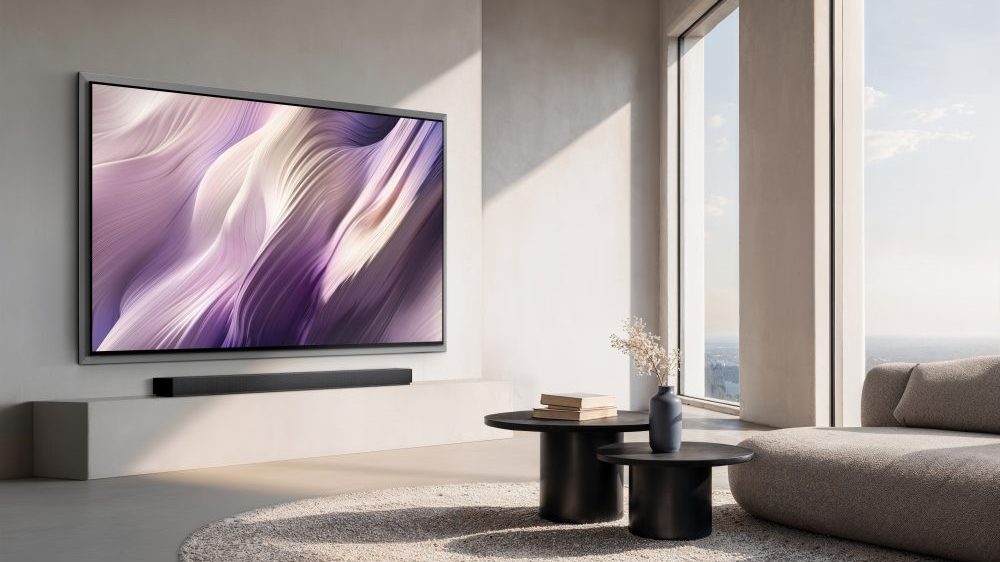



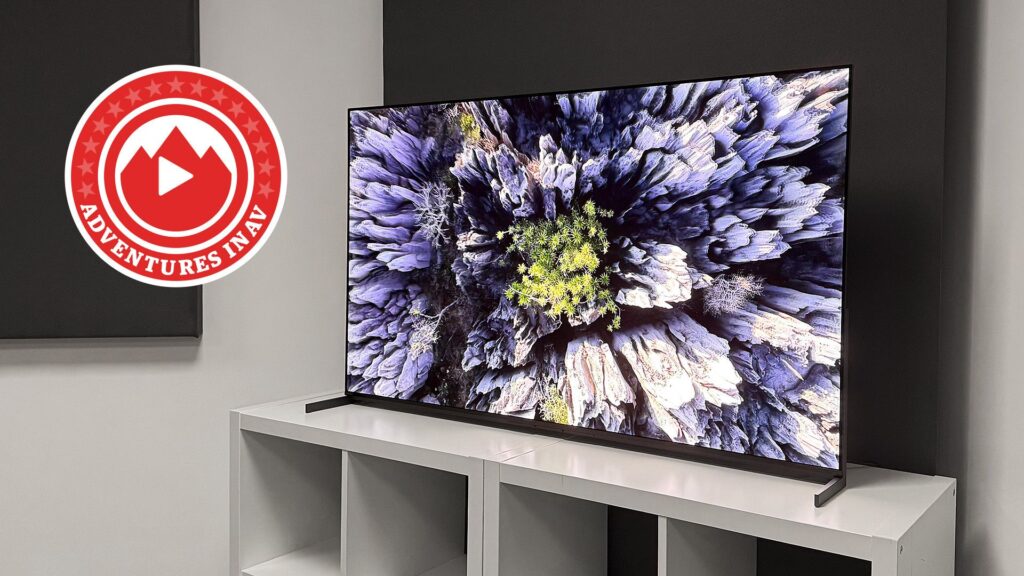
The proposal of a joint venture between Sony and TCL, which would see the latter take control of Sony’s home entertainment business, has sent ripples through the tech industry. This unexpected development has left many, including longtime Sony enthusiasts, pondering the future of the brand’s renowned television line.
As a household name in high-quality electronics, Sony has long been celebrated for its meticulous approach to product development, especially in the realm of OLED TVs. Meanwhile, TCL has carved out a reputation for delivering high-spec, budget-friendly televisions. This merger, therefore, represents a potential clash—or collaboration—of two distinct philosophies in the TV market.
The Sony Difference
Sony’s approach to television manufacturing has traditionally been characterized by a slower, more deliberate product cycle. Most Sony TVs have a two-year lifecycle, allowing for significant quality improvements between generations. This contrasts sharply with other brands that release new models annually, often focusing on incremental upgrades and flashy specifications.
By prioritizing cinematic authenticity over sheer numbers, Sony has distinguished itself in a crowded market. “Sony generally rises above the numbers game, focusing on delivering cinematic authenticity,” notes industry expert John Doe. This strategy has earned Sony a loyal following, particularly among those who value picture quality over raw specifications.
TCL’s Technological Prowess
On the other hand, TCL has been a driving force in the democratization of high-quality television technology. Each year, the company introduces models that boast impressive specifications, such as increased dimming zones and higher brightness levels, often surpassing competitors like Hisense and Samsung.
While some fear that TCL’s focus on specifications could overshadow Sony’s careful development process, others see potential for synergy.
“TCL’s strength lies in its ability to offer high-spec TVs at affordable prices,”
says Jane Smith, a tech analyst. This capability could complement Sony’s premium offerings, creating a balanced portfolio that appeals to a broader range of consumers.
The Optimistic Vision
There is a scenario in which this joint venture could benefit both brands. By maintaining their respective strengths, Sony and TCL could carve out distinct niches within the market. TCL could continue to dominate the mid-range and budget sectors, while Sony focuses on premium and flagship models.
Such a strategy would allow TCL to leverage Sony’s expertise in processing and tuning, potentially enhancing the quality of its mid-range offerings. Meanwhile, Sony could benefit from TCL’s scale and resources, enabling it to expand its OLED range without compromising its high standards.
Moreover, TCL’s investment in new manufacturing technologies, such as inkjet-printed OLED panels, could provide Sony with access to cutting-edge technology. This could lead to more affordable and diverse OLED options, reducing reliance on existing panel manufacturers like LG and Samsung.
Looking Ahead
Despite the potential benefits, the future of this joint venture remains uncertain. Official statements from both companies have been scarce, and it is unclear how the partnership will unfold in practice.
“The proof will, as ever, be in the pudding,”
remarks an industry insider, highlighting the need for tangible results before drawing conclusions.
The joint venture is not expected to commence operations until April next year, leaving ample time for speculation and concern among consumers and industry watchers alike. As the situation develops, the tech world will be watching closely to see whether this partnership can indeed deliver on its promise of innovation and improved consumer choice.
Meanwhile, Sony fans remain cautiously optimistic, hoping that the brand’s legacy of quality and innovation will continue to thrive in this new era of collaboration.