
A small demountable office building has ignited a swirl of rumors in Honiara’s Chinatown. Situated behind the local Chung Wah School, a 20-foot-long converted shipping container is set to become the latest outpost of the Royal Solomon Islands Police Force (RSIPF) in the national capital. This unusual location, coupled with the claims surrounding it, has stirred local concerns about China’s potential influence in Solomon Islands’ security affairs.
However, both the RSIPF and the Chinese community organization funding the project have dismissed these concerns, asserting that the initiative is a grassroots effort aimed at protecting local business owners and supporting law enforcement. This controversy underscores the uncertainties Solomon Islands faces amid economic and strategic challenges.
A Community Still on Edge
The backdrop to these developments is the lingering tension from the November 2021 riots in Honiara, during which Chinatown suffered significant damage. Although much of the area has been rebuilt, remnants of the destruction remain, leaving business owners, including recent arrivals from China’s Fujian Province, wary and anxious.
The recent increase in crime across Honiara, exacerbated by limited job opportunities and simmering resentments, has further frayed nerves. The closure of a police post outside a community health clinic in Chinatown last year left some locals feeling abandoned, prompting the Solomon Islands Chinese Association to develop a plan to reintroduce police presence in the neighborhood.
The Mystery of the Demountable Office
Last month, this plan materialized with the appearance of a shipping container at the back of Chung Wah School. The Solomon Islands Chinese Association, which owns the school, agreed to fund and establish a temporary police station there. Rumors quickly spread that the new office would be staffed by Chinese police officers under a contentious 2022 policing agreement with Beijing.
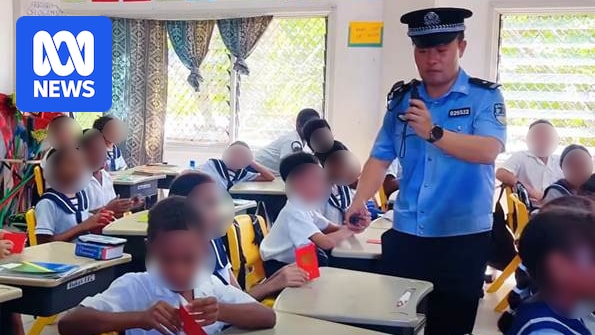
Some locals, particularly among the “new” Chinese population in the capital, reportedly desired the presence of Chinese police to provide additional reassurance. A video on social media showing Chinese Police Liaison Team (CPLT) officers interacting with students at the school fueled these speculations.
Will Chinese Police Be Present?
Both the RSIPF and the Solomon Islands Chinese Association have denied the rumors, insisting that Chinese police will not operate the new station. RSIPF spokesman Desmond Rave confirmed that the association had allocated a temporary office space for RSIPF officers, emphasizing its significance in managing increased criminal activities in Chinatown and surrounding areas.
“Daily foot beat patrols, community engagements, and dealing with offenders are some of the policing services that will be provided by the RSIPF,” said Desmond Rave.
Henry Kwan from the Solomon Islands China Association explained that the school grounds were chosen due to a lack of suitable land elsewhere in Chinatown. He acknowledged that Chinese police had assisted in establishing the post, which may have contributed to the rumors.
The Chinese embassy in Solomon Islands declined to comment, referring all inquiries to the RSIPF and the Chinese Association.
International Implications
The opening of the new police office on March 1 is likely to draw attention from Australia, New Zealand, and other Western nations, given the sensitive geopolitical dynamics in the Pacific region. The location in Chinatown, a potential flashpoint for unrest, could heighten tensions, especially in light of a leaked 2022 security agreement allowing China to send armed police to Solomon Islands if requested by Honiara.
China’s use of overseas police stations to monitor diaspora groups has been a point of contention, with Western nations accusing it of leveraging these outposts for influence. Former Australian High Commissioner to Solomon Islands Lachlan Strahan advised against overreacting to any Chinese presence, noting potential consular benefits for China.
“If the Chinese police are establishing a little outpost or booth out there it would serve multiple purposes, including a valid consular one — they have good reason to worry about Chinese nationals being targeted if there’s future unrest,” Strahan stated.
Strahan also suggested that China might view this as a symbolic victory, demonstrating its ability to extend influence and protect its nationals, while challenging Australia’s efforts to limit its activities in the region.
As the situation unfolds, the Solomon Islands’ balancing act between major powers and its internal security needs will continue to be closely scrutinized.