



The digital revolution has transformed the way we live, creating an unplanned experiment with children as its most exposed participants. Amidst a global rise in ADHD diagnoses, a critical question arises: is the increasing use of digital devices contributing to this trend?
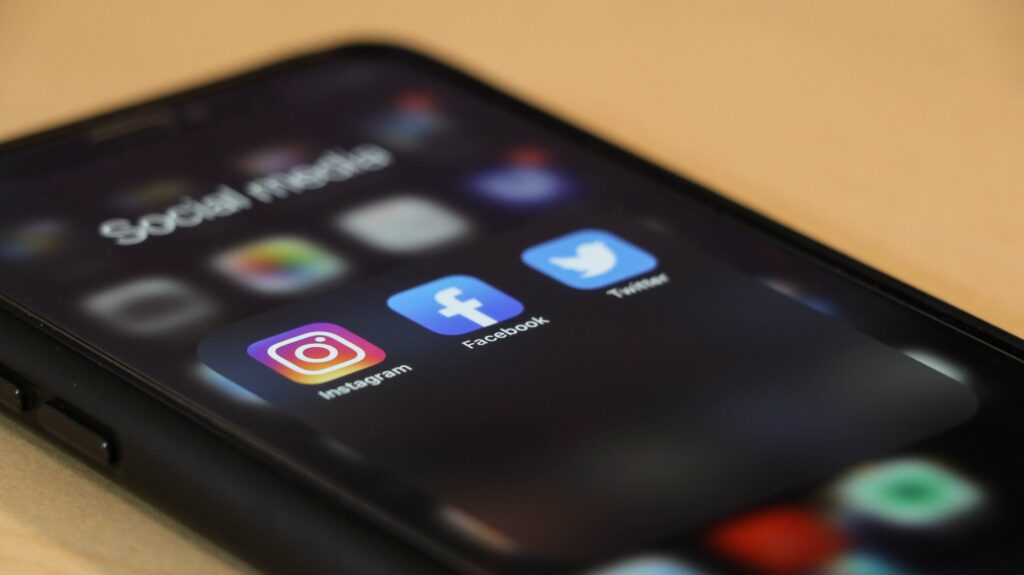
In a comprehensive study involving over 8,000 children aged ten to fourteen, researchers sought to explore the impact of digital habits on attention. The children were categorized based on their digital activities: gaming, TV/video consumption, and social media usage, with the latter including platforms like TikTok, Instagram, Snapchat, X, Messenger, and Facebook.
Key Findings on Social Media and Attention
The study’s primary discovery was that social media use is linked to a gradual increase in inattentiveness among teens. In contrast, gaming and video watching did not exhibit the same effect. These patterns persisted even after considering factors such as the children’s genetic predisposition to ADHD and their family’s income levels.
Interestingly, the research also tested whether inattentiveness might lead children to use more social media, but the results indicated a one-way relationship: increased social media use predicted later inattentiveness.
Understanding the Mechanisms
While the exact mechanisms through which digital media affects attention remain unclear, the study’s findings allow researchers to dismiss the idea that all screen activities negatively impact attention. Contrary to popular belief, not all digital media activities result in “dopamine hits” that disrupt focus.
Cognitive neuroscientists suggest that social media introduces constant distractions, hindering sustained attention on any single task. Even the anticipation of receiving a message can act as a mental distraction, impairing focus over time. In contrast, gaming typically involves focused sessions on specific tasks.
Implications of the Findings
The statistical impact of social media on attention was not substantial enough to push individuals with normal attention levels into ADHD territory. However, if the entire population becomes more inattentive, many could cross the diagnostic threshold.
“An increase of one hour of social media use in the entire population could theoretically increase ADHD diagnoses by about 30%,” the study notes, illustrating how small individual effects can have significant population-level consequences.
Data indicates that teenagers now spend about five hours per day online, primarily on social media, a significant increase from two decades ago when social media was virtually non-existent. The percentage of teens who report being “constantly online” has surged from 24% in 2015 to 46% in 2023. This dramatic rise in social media usage may partly explain the increase in ADHD diagnoses over the past 15 years.
The Attention Gap and Future Directions
Some argue that the rise in ADHD diagnoses reflects greater awareness and reduced stigma. While this may be true, it does not negate the possibility of a genuine increase in inattention. Studies that claim symptoms of inattention have not increased often focus on children too young to own smartphones or examine periods before the explosion of social media use.
With social media likely contributing to increased inattention, what steps should be taken? The United States mandates that children be at least 13 to create accounts on most social platforms, but these restrictions are easily circumvented. Meanwhile, Australia is taking a more stringent approach. Starting December 10, 2025, media companies will be required to ensure users are at least 16 years old, facing high penalties for non-compliance. The world will be watching to see the impact of this legislation, potentially setting a precedent for other countries to follow.
The findings of this study underscore the need for further research and potential policy changes to address the implications of social media use on young minds. As digital landscapes continue to evolve, understanding their impact on attention and mental health remains crucial.