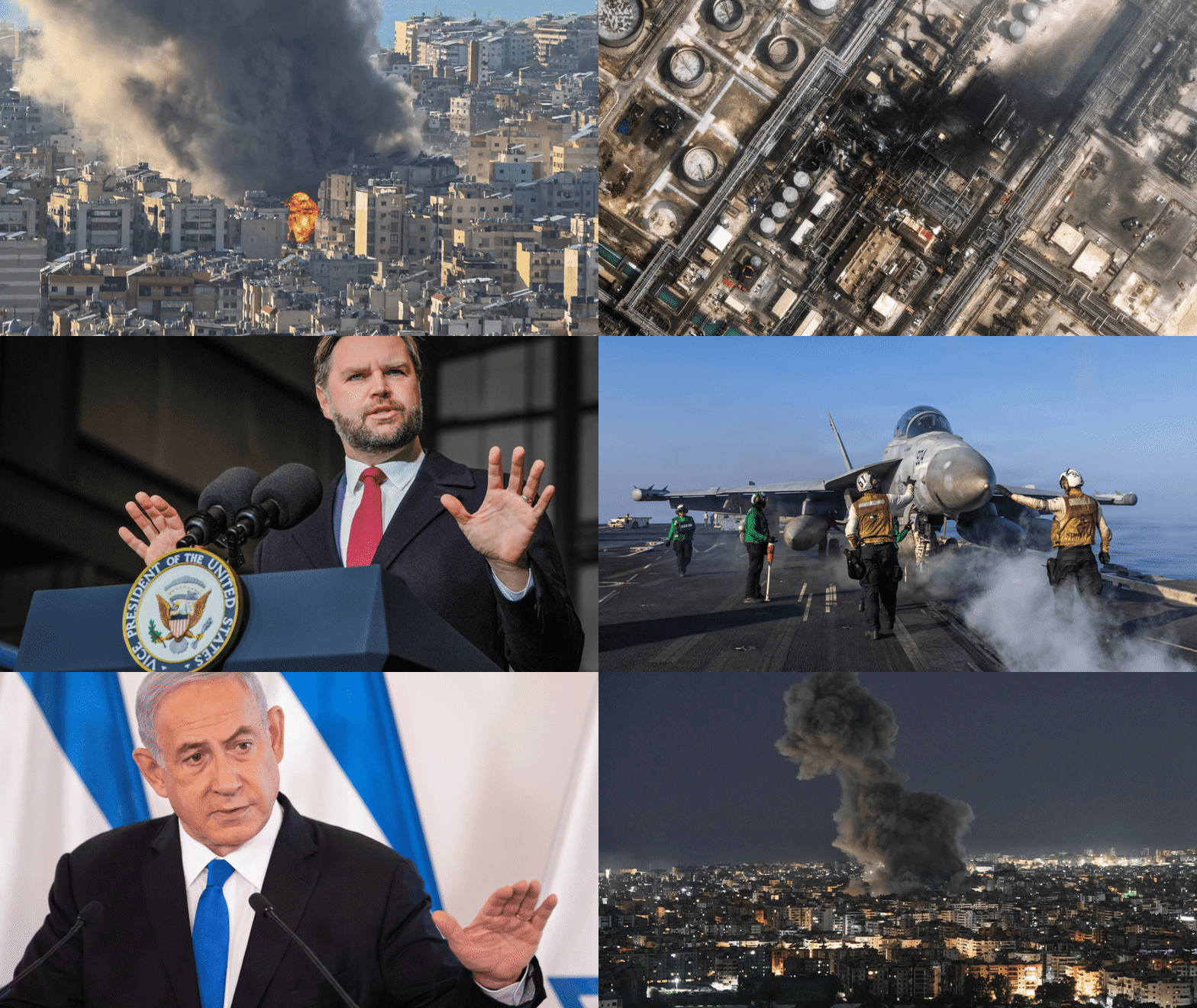


Six American service members have been killed in ongoing military operations against Iran, according to a statement from the US Central Command released on Monday afternoon. This tragic announcement follows a series of escalating events that have intensified the conflict in the region.
The announcement comes shortly after the military confirmed the deaths of three US service members on Sunday, marking the first known American fatalities since the strikes against Iran commenced on Saturday. Just hours before the latest update, the Central Command had reported a fourth US service member had succumbed to injuries sustained during Iran’s initial attacks.
In its statement, the US Central Command detailed that as of 4 p.m. ET on Monday, six US service members “have been killed in action.” The statement also revealed that US forces had “recently recovered the remains of two previously unaccounted for service members from a facility that was struck during Iran’s initial attacks in the region.”
“Major combat operations continue,” the command stated. “The identities of the fallen are being withheld until 24 hours after next of kin notification.”
Escalation of Conflict and Initial Strikes
The conflict, dubbed “Operation Epic Fury,” is a joint US-Israeli military operation against Iran. The operation began on Saturday, with US and Israeli forces conducting large-scale strikes across Iran, including a significant attack on the compound of Iran’s supreme leader, Ayatollah Ali Khamenei, who was reportedly killed in the assault.
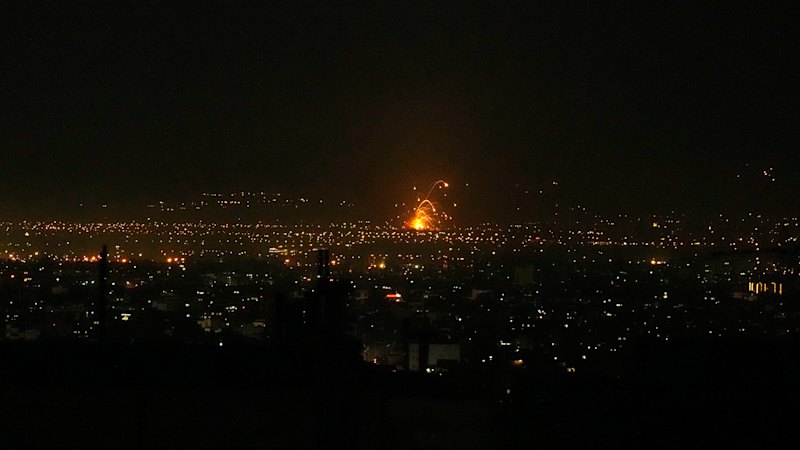
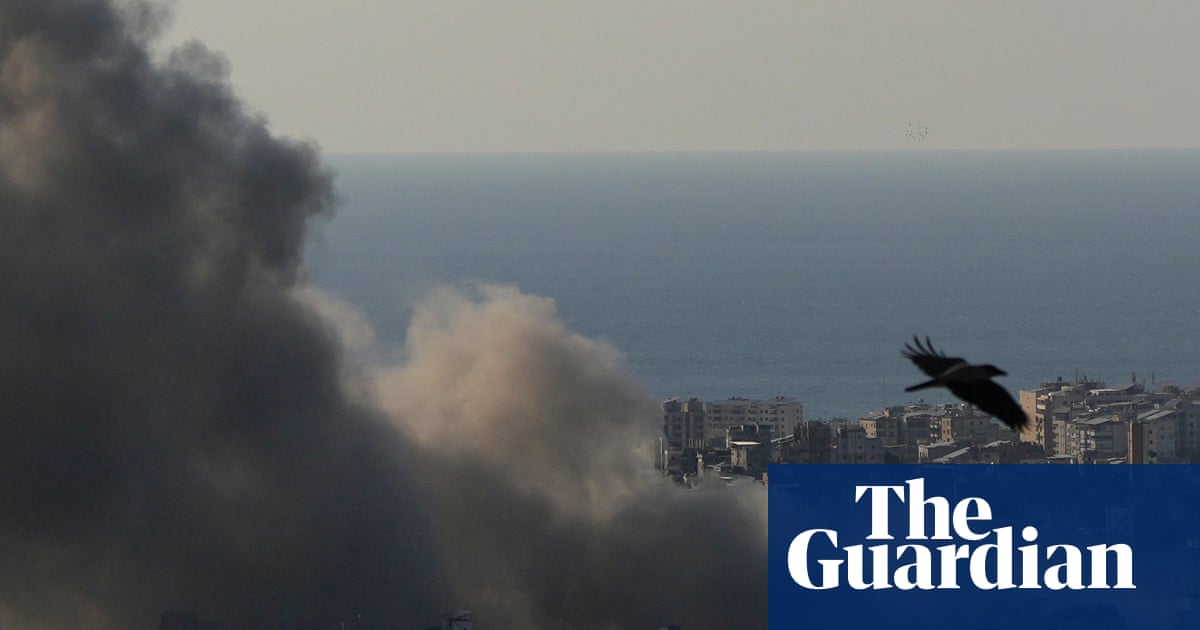
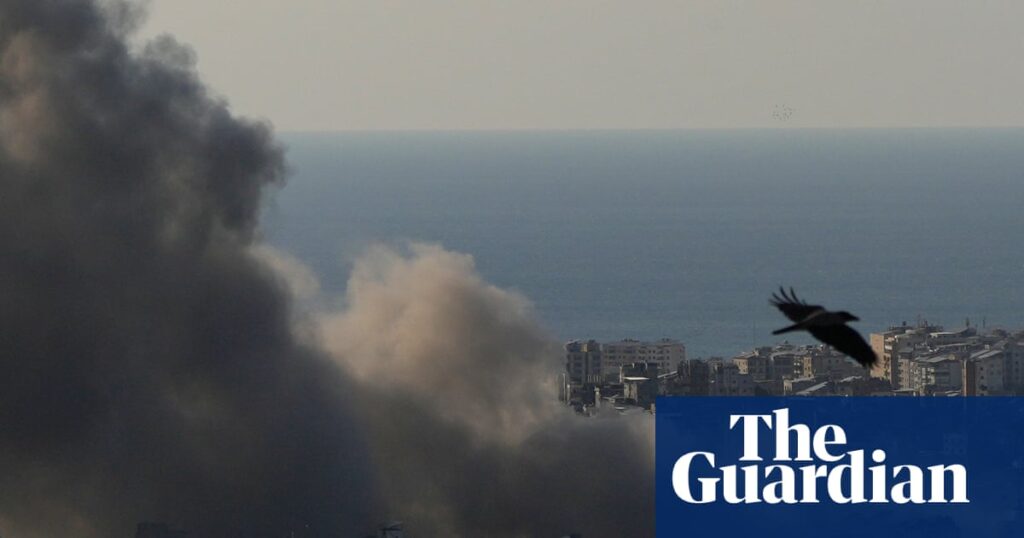
Iran has retaliated with missile strikes aimed at Israel and US military facilities in the region, including bases in Bahrain and the United Arab Emirates. The Iranian Red Crescent emergency service has reported over 500 deaths in Iran since the operation began, while Israeli authorities have confirmed 11 fatalities. In Lebanon, the health ministry reported 31 deaths due to Israeli airstrikes.
Responses and Reactions
President Donald Trump, in a video statement on Sunday, called the fallen service members “true American patriots” and acknowledged the potential for further casualties. “The lives of courageous American heroes may be lost, and we may have casualties,” he stated, emphasizing the long-term goals of the operation.
“We pray for the full recovery of the wounded and send our immense love and eternal gratitude to the families of the fallen,” Trump added. “America will avenge their deaths and deliver the most punishing blow to the terrorists who have waged war against, basically, civilization.”
Michael Waltz, the US envoy to the United Nations, echoed these sentiments, stating, “Freedom is never free.” Meanwhile, Defense Secretary Pete Hegseth, during a Monday morning news conference, reiterated the president’s warning about the potential for casualties in such a significant military effort.
Friendly Fire Incident and Strategic Objectives
Amid the escalating conflict, the US military reported a “friendly fire” incident on Monday morning, where three US fighter jets were mistakenly shot down over Kuwait. Fortunately, all six crew members ejected safely.
The strategic objectives of “Operation Epic Fury” were outlined by Hegseth, who stated the mission aims to “destroy Iranian offensive missiles, destroy Iranian missile production, destroy their navy and other security infrastructure, and they will never have nuclear weapons.”
“We’re hitting them surgically, overwhelmingly, and unapologetically,” Hegseth declared.
Implications and Future Outlook
As the conflict continues, the implications for regional stability and international relations are profound. The US and Israel have indicated that the strikes could persist for “four to five weeks,” according to comments Trump made to The New York Times.
The loss of American lives has intensified the debate over the US’s military strategy in the Middle East. Experts warn that the ongoing operations could further destabilize the region, drawing in additional actors and complicating diplomatic efforts.
As the world watches, the situation remains fluid, with the potential for further escalation. The international community is closely monitoring developments, urging restraint and seeking avenues for de-escalation.
In the coming days, the focus will likely remain on the operational progress of “Operation Epic Fury” and the broader geopolitical ramifications of this significant military engagement.