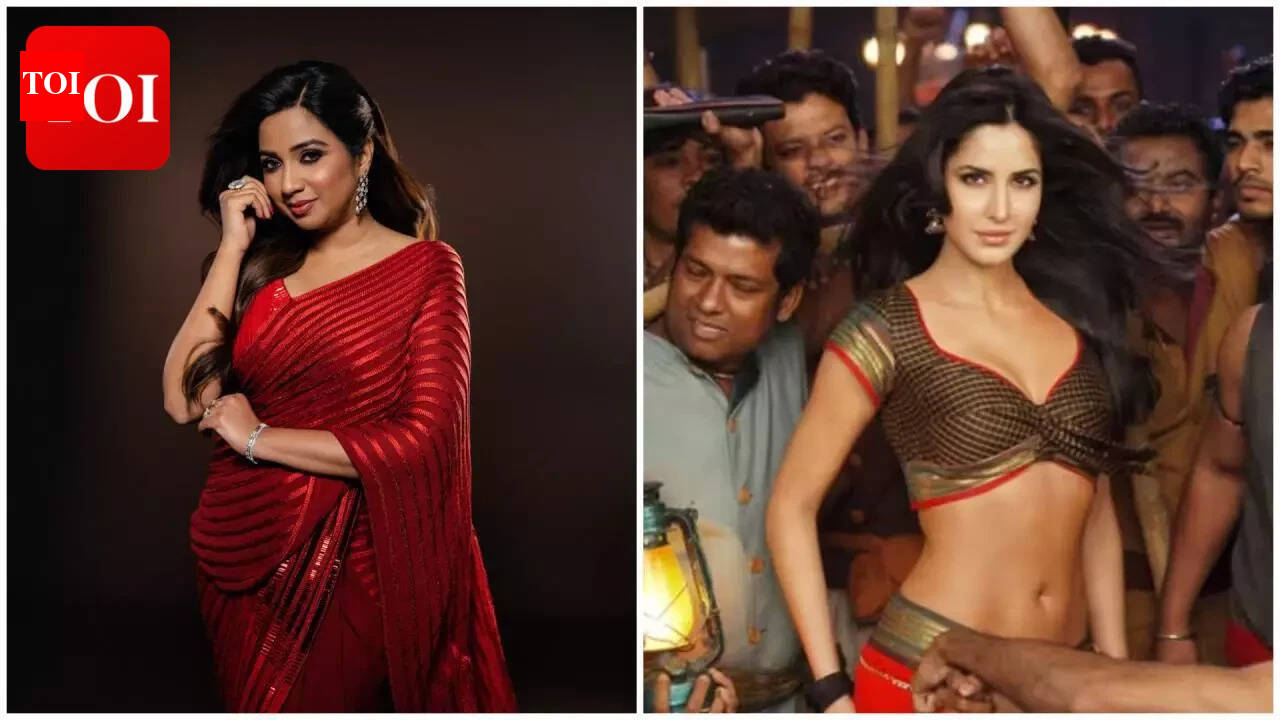
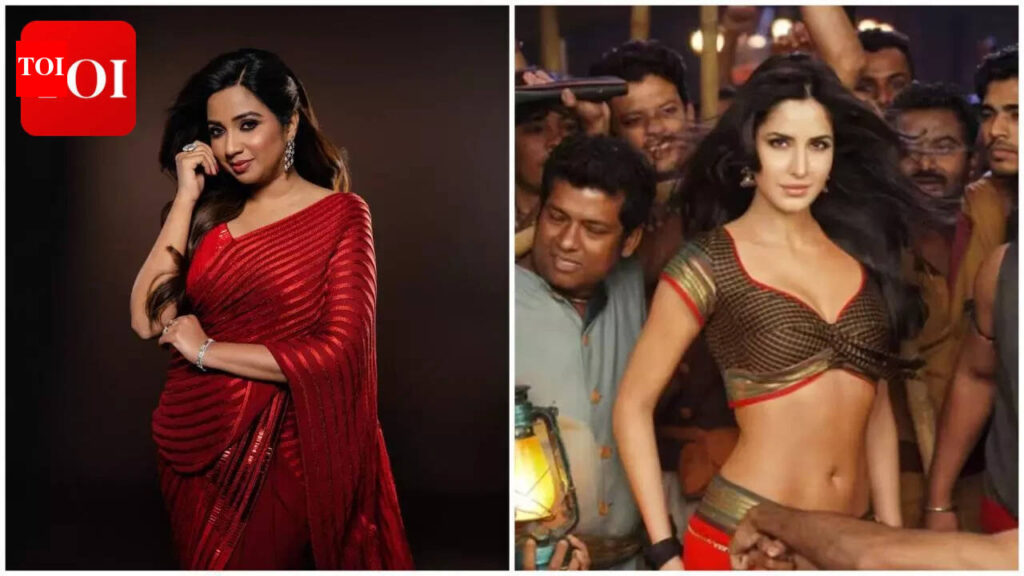
Bollywood playback singer Shreya Ghoshal has recently opened up about the criticism she faced for her performance of the song “Chikni Chameli” from the film Agneepath, which featured actress Katrina Kaif. In a candid conversation, Ghoshal discussed the objectification present in some song lyrics, her evolving sense of artistic responsibility, and her increased awareness in selecting songs to record.
Ghoshal’s remarks come at a time when the entertainment industry is increasingly scrutinized for its portrayal of women and the messages conveyed through its content. The singer’s reflections offer a glimpse into the personal and professional dilemmas faced by artists in Bollywood.
Confronting Objectification in Music
Shreya Ghoshal recalled instances where she felt uncomfortable with certain song lyrics, particularly after the release of “Chikni Chameli.” She shared an experience with a song that was offered to her by a close composer friend, which she ultimately declined due to its overtly objectifying lyrics.
“There was one film in particular. The composer is a dear friend of mine and a very musical person. He offered it to me very lovingly. But the song had too much objectification. It wasn’t even subtle — lines like ‘make me into chicken and eat me’ or ‘hold me like this.’ Just thinking about those words makes my face turn red. I couldn’t say them. I said no,” she explained.
Ghoshal emphasized that there have been several such moments where she chose to walk away from projects that did not align with her values.
Reflecting on “Chikni Chameli”
Despite the success of “Chikni Chameli,” Ghoshal admitted that the song prompted her to reflect on the implications of her work. While the song brought her significant recognition, it also led to introspection about the messages conveyed through music.
“That song is not just a fun number; there’s a lot of artistry in it. There were toned-down versions too. The one that finally appeared in the film was more subtle than the original drafts, though still suggestive. At that time, I didn’t always understand what I was singing. I wasn’t mature enough to fully grasp the meaning of certain lines,” she said.
Ghoshal now consciously evaluates lyrics, recognizing that songs, unlike films, do not have age restrictions. She expressed concern about the potential impact on young audiences, stating, “If I sing something today and it becomes a hit, I will have to perform it everywhere — even in front of small children who may sing or dance to it. I cannot watch that comfortably. So the choice has to be ours. I’ve become conscious of that now.”
Owning Her Artistic Choices
Addressing the trolling she received for continuing to perform “Chikni Chameli” live, Ghoshal clarified her stance. She acknowledged the criticism but maintained her appreciation for the song’s artistic value.
“The trolling was that I made these statements and then, within a few days, I performed the same song live. Yes, I did. I like that song. I think it’s good. But I won’t record songs like that anymore,” she clarified. “I’m not embarrassed. I sang that song at that time. It’s one song I will always have to live with — where even children in the audience may dance to it. Sometimes I close my eyes. But I cannot disown it. It’s my song. I’ve owned it.”
Balancing Artistic Freedom and Social Responsibility
When asked if motherhood influenced her perspective, Ghoshal explained that her sensitivity towards children’s exposure to music existed long before she became a mother. She emphasized the cultural values she grew up with in Rajasthan, which instilled a sense of respect in communication, even with children.
“This realization didn’t happen after I became a mother. It was even then. It wasn’t about thinking how my son would hear it. I’ve always been sensitive about what children hear. I grew up in Rajasthan — there’s a culture of respect in how you speak, even to children. You have to be aware of what is appropriate for them,” she shared.
Ghoshal concluded by affirming her commitment to making mindful choices in her career, balancing her creative freedom with social responsibility. Her reflections highlight the ongoing conversation in the entertainment industry about the role of artists in shaping cultural narratives.