


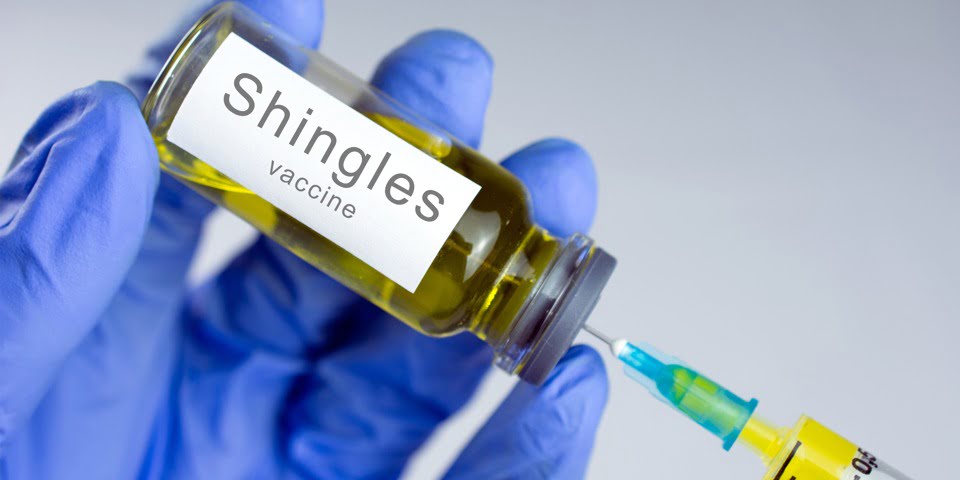
Shingles vaccination coverage among Australians aged 65 years and over has surged by 40% within the first year since the introduction of the Shingrix vaccine to the National Immunisation Program (NIP). This significant increase, documented by recent Australian research, highlights the impact of Shingrix, which replaced the older Zostavax vaccine in late 2023.
The transition to Shingrix was motivated by its superior and longer-lasting protection against shingles, particularly benefiting those who are immunocompromised. The vaccine’s enhanced efficacy is reflected in the national immunisation data, which shows that 2,522,020 doses were administered to individuals aged 65 and over in the first year following its inclusion in the NIP. This marks an increase in vaccination coverage from 31.3% to 44.1% by the end of 2024.
Why Shingrix? A Strategic Shift in Vaccination Policy
Shingrix was chosen over Zostavax due to its higher effectiveness and the ability to provide longer-lasting immunity. The decision to replace the existing vaccine was based on comprehensive studies indicating that Shingrix not only offers better protection but is also safe for people with compromised immune systems. This strategic shift aims to reduce the incidence of shingles, a painful condition that can lead to severe complications, especially in older adults.
Experts have praised the move, noting that the inclusion of Shingrix in the NIP represents a proactive approach to public health. Dr. Emily Carter, a leading immunologist, stated, “The introduction of Shingrix is a game-changer for older Australians. It addresses the critical need for a more effective vaccine, especially for those who are at higher risk due to age or health conditions.”
Impact of the Shingles Vaccination Program
The rise in vaccination rates is a promising development for Australia’s healthcare system. By increasing coverage, the program aims to significantly reduce the burden of shingles-related morbidity. The disease, caused by the reactivation of the chickenpox virus, can lead to severe nerve pain and other complications, particularly in older adults.
“Compared with Zostavax, Shingrix’s superior effectiveness, longer-lasting immunity, suitability for immunocompromised individuals, and expanded eligibility present an opportunity to better protect high-risk groups from shingles and its morbidity,” conclude the researchers.
Moreover, the program’s success could serve as a model for other countries grappling with similar public health challenges. The Australian experience underscores the importance of updating immunisation strategies to incorporate newer, more effective vaccines.
Looking Ahead: Strategies for Continued Success
Health services and vaccination providers are encouraged to further improve protection by promoting Shingrix among eligible adults. Strategies include opportunistic vaccination, co-administration with other vaccines, and targeted efforts to support equitable access. These measures are crucial for maintaining the momentum gained in the past year.
According to Dr. Carter, “Continued education and outreach are essential to ensure that all eligible individuals are aware of the benefits of the Shingrix vaccine. By doing so, we can prevent the debilitating effects of shingles and improve the quality of life for older Australians.”
The success of the Shingrix program in Australia highlights the potential for similar initiatives globally. As countries seek to enhance their public health strategies, the Australian model provides valuable insights into the benefits of adopting advanced vaccination technologies.
As the program progresses, ongoing monitoring and research will be critical to understanding its long-term impact. The data collected will inform future decisions and help optimize vaccination strategies to protect vulnerable populations effectively.