




There was a time when families from Canberra would eagerly pack their cars and head south to the picturesque beaches of New South Wales’ South Coast for the summer holidays. The journey, often marked by children’s complaints about the heat, would culminate in joyous exclamations upon sighting the sparkling blue sea. However, the traditional family holiday dynamic is evolving, as industry insiders reveal a significant shift in vacation trends.
While the allure of the coast remains, the holiday market has diversified. The advent of expanded air travel has opened up new destinations for Canberrans, while affluent couples without children, known as DINKS (Double Income, No Kids), now seek luxurious getaways. The burgeoning wellness market, emphasizing relaxation and nature, is also transforming holiday preferences.
The Rise of the Wellness Market
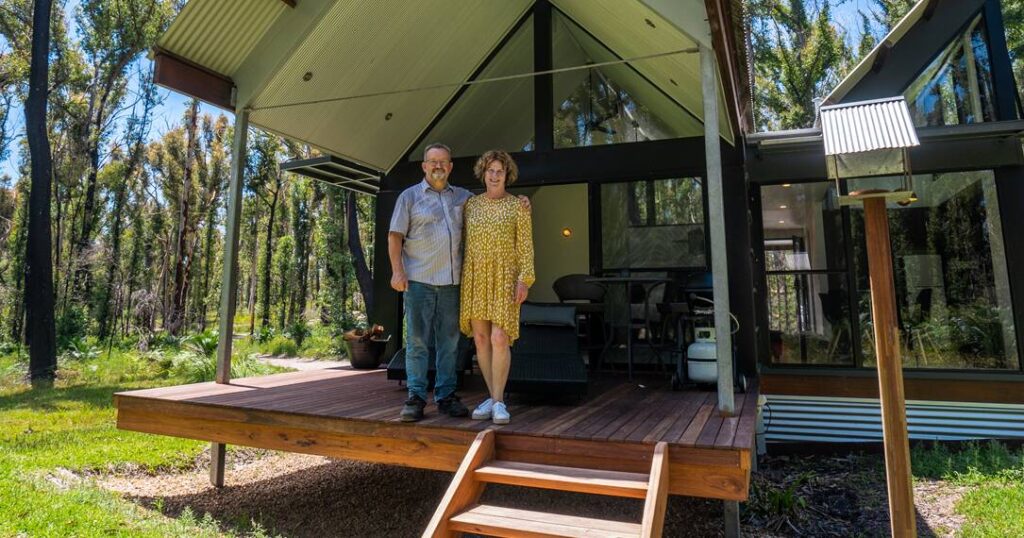
Mark and Sue Berry, proprietors of The Bower at Broulee, were pioneers in catering to the wellness market on the South Coast. Twenty-five years ago, when they launched their venture, the concept was met with skepticism. “People thought we were mad,” Mark Berry recalls. “There was no such market here at the time.”
Drawing inspiration from luxury markets across Australia, the Berrys identified a gap in the South Coast’s offerings. Today, The Bower at Broulee thrives with its array of massages, spas, “forest bathing,” and nature walks, attracting a clientele seeking tranquility and rejuvenation. “We’re focused on the couples market,” Mark Berry explains, noting that guests often arrive stressed but leave transformed.
“We have found over the years that people like being immersed in a natural forest,” Mark Berry said.
Changing Family Dynamics
Meanwhile, the traditional family holiday is undergoing a transformation. David Maclachlan, former president of the Batemans Bay Business and Tourism Chamber, observes a decline in large family gatherings at caravan parks. “Twenty years ago, you couldn’t find a place to put a towel down on the beach,” he reminisces. Today, beaches are less crowded, a shift he attributes to the rise of digital entertainment.
“Kids are now voyeurs of life,” Maclachlan comments, suggesting that the virtual world offers a compelling alternative to the physical beach experience. This change has altered family holiday dynamics, with some families booking week-long stays but departing early.
“Family holiday dynamics have changed over the past 20 years,” Maclachlan notes.
Implications for the South Coast
Despite these changes, the South Coast remains a popular destination, though it now attracts a more varied demographic. The region’s appeal lies in its ability to cater to diverse preferences, from luxury wellness retreats to traditional beach holidays.
Alison Miers, a local tourism expert, notes that while visitor numbers fluctuate, the South Coast continues to draw significant interest. “It’s been a hive of activity,” she says, highlighting the area’s resilience and adaptability to changing trends.
As the holiday market evolves, industry stakeholders are keen to adapt. Mark Berry, who advises the Eurobodalla Shire Council, emphasizes the importance of understanding visitor needs. “Figures are scant, but surveys indicate an average stay of three days,” he explains, underscoring the need for strategic planning to sustain tourism growth.
Looking Ahead
The transformation of holiday trends on New South Wales’ South Coast reflects broader shifts in leisure preferences. As travelers seek diverse experiences, the region’s ability to offer both relaxation and adventure positions it well for future growth. The challenge lies in balancing tradition with innovation, ensuring that the South Coast remains a beloved destination for generations to come.
Whether your family continues the South Coast tradition or explores new horizons, the region’s enduring charm and evolving offerings promise something for everyone.