



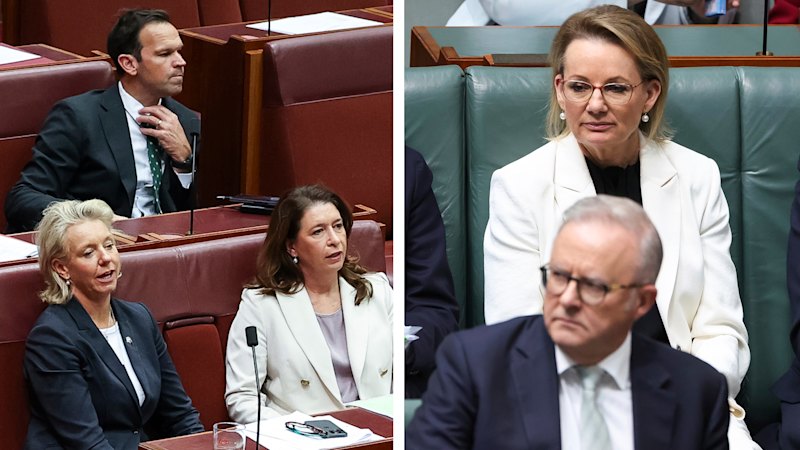
The futures of three Nationals shadow ministers are in jeopardy after they defied the Coalition’s stance on hate crimes legislation. Last night, senior Nationals MPs Bridget McKenzie, Ross Cadell, and Susan McDonald crossed the floor to vote against a bill that targets hate groups and facilitates visa cancellations.
The shadow cabinet had reached a consensus to support the bill on Sunday, marking a significant breach of shadow cabinet solidarity by the Nationals ministers. An anonymous Nationals MP suggested that it is now up to Opposition Leader Sussan Ley to decide whether to enforce the convention and demand their resignation from the front bench.
Earlier on Tuesday, Ley criticized Nationals leaders who opposed the laws banning neo-Nazis and radical Islamist groups, highlighting ongoing disunity within the Coalition. This comes as Prime Minister Anthony Albanese concluded a turbulent month by passing two bills in response to the recent Bondi attack.
Background and Political Context
The controversy erupted during a tense 48-hour period of Coalition negotiations, resulting in a split between the Liberals and Nationals over Labor’s hate laws. Ley claimed to have refined the initial hate crimes bill by limiting the criteria for outlawing organizations and mandating a review of the laws in two years.
Despite these adjustments, the hate laws were passed by Labor and Liberal senators late Tuesday night following a marathon session. Nationals senators walked out during the second reading vote and opposed the bill after their amendments failed. South Australian Liberal Alex Antic joined the Greens, One Nation, and several independents in voting against the bill.
Gun Control Legislation
In addition to the hate crimes bill, laws establishing a national gun buyback and prohibiting non-citizens from purchasing firearms were also passed with the Greens’ support. The Coalition opposed these measures, accusing Albanese of using gun control to deflect from extremism issues.
Prime Minister Albanese faced pressure during Tuesday’s question time, defending his record post-Bondi attack. He accused former Prime Minister Scott Morrison of being weak on antisemitism, prompting a swift rebuttal from Morrison.
Internal Coalition Tensions
The internal strife within the Coalition coincides with polls showing low opposition support, casting doubt on Ley’s leadership. Nationals leader David Littleproud initially agreed to the hate crimes bill in a shadow cabinet meeting, but the party’s stance shifted after Senator Matt Canavan expressed concerns about potential impacts on religious or political groups.
Coalition MPs were reportedly inundated with misleading information from advocacy groups, complicating the decision-making process. Ley engaged in intense discussions with senior Nationals, emphasizing the importance of supporting reforms to protect Jewish communities following the Bondi massacre.
“In the national interest, the Liberal party has today stepped up to fix legislation that the Albanese government badly mishandled,” said Sussan Ley.
Despite the internal drama, the Liberals’ Senate support ensured the bills’ passage. However, the situation underscores the pressures facing the junior Coalition party, which held multiple meetings to debate the bill.
Implications and Future Prospects
Littleproud released a statement before the vote, asserting that the Nationals’ differing stance from the Liberals does not reflect on the Coalition relationship, but rather the need for more time to scrutinize the bill.
Meanwhile, One Nation’s rise in the polls and former Nationals leader Barnaby Joyce’s efforts to capture rural votes pose additional challenges for the Nationals’ leadership. Right-wing Liberal backbenchers Andrew Hastie and Tony Pasin supported the amended hate crimes legislation.
While Albanese secured the hate crimes bill with opposition support, he collaborated with the Greens to pass stricter gun laws, splitting the legislation into two bills due to lack of broad parliamentary support.
Details of New Legislation
Gun Laws:
- Enhanced background checks and information sharing between security agencies.
- Stricter “fit and proper” tests for gun license applicants.
- Restriction of gun imports to Australian citizens.
- Establishment of a national gun buyback scheme.
Hate Crime Laws:
- Powers to designate organizations as “hate groups,” with potential jail time for members and donors.
- Increased ministerial authority to cancel or refuse visas for individuals promoting hate.
- New aggravated offenses for religious leaders advocating violence.
Albanese likened the gun buyback scheme to the one enacted after the Port Arthur massacre in 1996, dismissing claims of unfair targeting of rural residents. “This legislation is not about targeting farmers, competitive shooters, or law-abiding firearm owners,” he stated.
The ongoing rift within the Coalition over these legislative measures highlights the complex interplay of political strategy, leadership dynamics, and policy priorities as the parties navigate a challenging political landscape.