
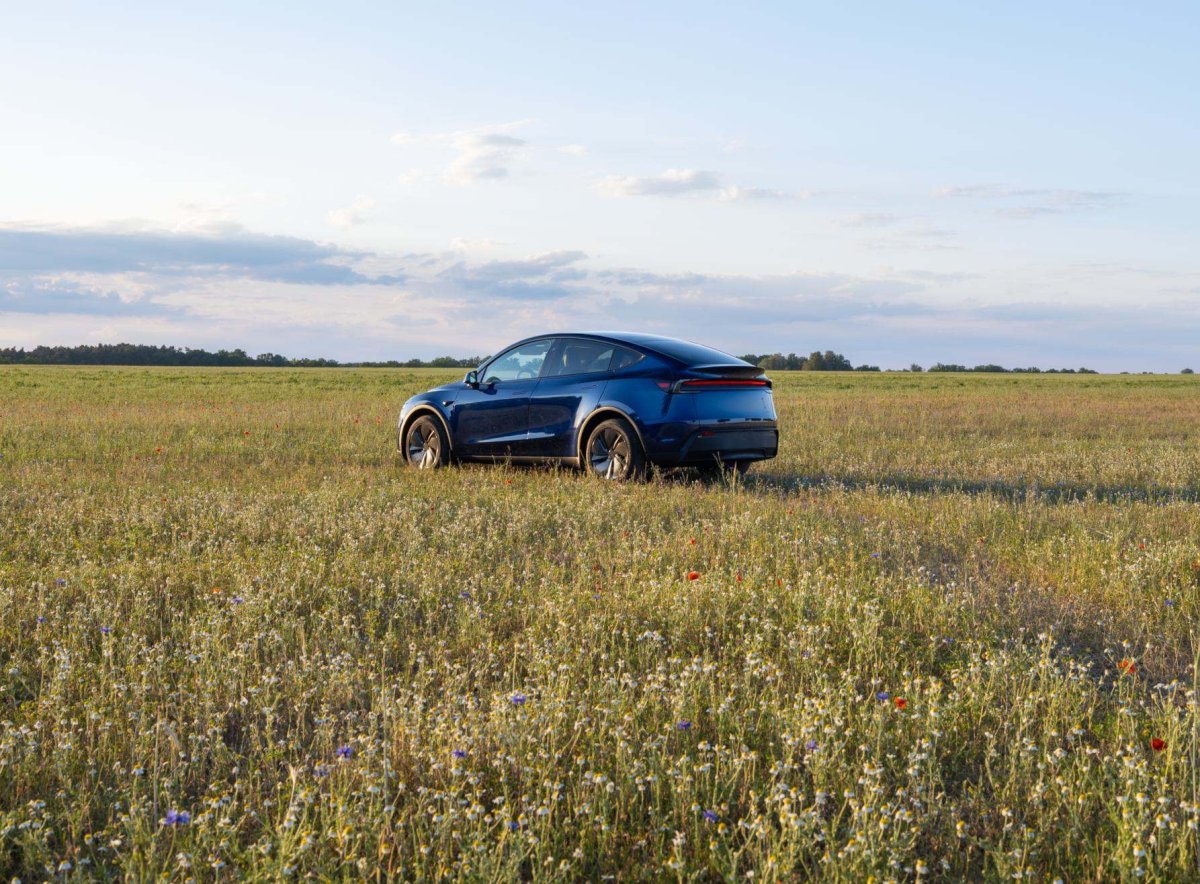

Most Australian motorists may not realize that a growing fleet of fully self-driving Teslas has been zooming past them in traffic. The introduction of Full Self-Driving (FSD) mode, which requires constant human supervision to legally operate, has sparked a wave of social-media videos and bewildered reactions from other road users and pedestrians as they witness Teslas maneuvering without drivers touching the steering wheel.
Despite the initial excitement, the technology is not without its challenges. Roundabouts and Melbourne’s unique hook turns remain tricky for the U.S.-based electric-vehicle giant to master. Yet, Tesla enthusiasts who have subscribed to the software continue to express unwavering faith in its potential.
The Rise of Full Self-Driving Mode in Australia
FSD mode became available for owners of certain newer Model 3 and Y Teslas in Australia in September. For a monthly fee of $149 or a one-off payment of $10,100, users can let their vehicles take the wheel. The technology relies on cameras that provide a 360-degree view, feeding data into a neural network navigation system that determines how to steer, accelerate, brake, and change lanes to reach a destination.
While the system does not require hands-on operation, Australian road rules classify Tesla’s FSD as a Level 2 Advanced Driver Assistance System, meaning the human driver is still legally in control. This classification mandates driver supervision, with an internal camera ensuring the driver remains attentive and ready to intervene if necessary.
Public Reactions and Social Media Buzz
The advent of FSD has generated significant buzz on social media. Influencers frequently post videos showcasing FSD in action, capturing a mix of awe and skepticism from viewers. One Melbourne driver, who identifies as a ‘Tesla supervisor,’ shared his experience on social platform X after a long, sleepless flight, describing the drive home as “weirdly calm” because the car handled itself.
In a Facebook group for Tesla drivers, a Queensland woman praised FSD’s performance during an intercity trip, claiming she fell asleep multiple times. However, Tesla loyalists quickly pointed out that the attention-monitoring safety feature would prevent such lapses.
Expert Opinions and User Experiences
Ryan Cowan, a Tesla-focused YouTuber from regional Victoria, views FSD as an “extra safety layer” due to its constant monitoring of driver attention. “It’s kind of ironic, but when you have it turned on, it requires you to pay more attention than if you didn’t,” he noted. Cowan highlighted the system’s smooth operation on long trips, reducing fatigue-related risks.
Despite the high level of automation, Cowan joked that creating content about FSD is becoming “almost boring” due to its reliability. However, he noted that passenger reactions remain noteworthy, with many eventually deciding to purchase a Tesla after experiencing FSD firsthand.
Challenges and Future Prospects
While FSD continues to improve, challenges remain. Cowan recounted early difficulties with Melbourne’s hook turns, though he noted improvements with each subsequent trip. Sydney driver Alex Pisarev, who has been using FSD for two weeks, shared a positive experience driving through torrential rain on the Harbour Bridge. However, he encountered issues when heavy rain obscured the cameras, temporarily disabling FSD.
For Pisarev’s children, FSD is a source of fun, though his wife prefers he keeps his hands on the wheel, ready to take control if needed. Despite minor setbacks, many users remain optimistic about the technology’s future development.
Looking Ahead
Brisbane-based Jamie-Lee Nesbitt-Smith, who uses FSD extensively for her work as a driver for Uber Eats and rideshares, expressed her confidence in the technology. “I tell everyone I’m a control freak when it comes to cars, but I was comfortable giving up control to my own car,” she said, appreciating the safety alerts that keep her attentive.
Nesbitt-Smith hopes that future iterations of FSD will address current issues, such as local road quirks. Despite occasional glitches, she considers it an “outstanding piece of software” and envisions a future where it can assist in emergencies, like safely pulling over if a driver becomes incapacitated.
As Tesla continues to refine its self-driving technology, the company and its users remain at the forefront of a transportation revolution that promises to reshape how Australians experience the road.