


Travel management companies have reportedly pocketed tens of millions of dollars through commissions and hidden mark-ups, according to a secret government audit. This revelation comes as Brisbane-based Corporate Travel Management faces the prospect of refunding UK clients, including the British government, up to £77.6 million ($157 million) due to overcharges.
Corporate Travel, a publicly traded company valued at over $2 billion, manages travel bookings for a range of clients, from Wesfarmers to the Australian government, and even handles refugee barges for UK authorities. On Friday, the company announced the necessity for mass refunds for work dating back to 2021, describing the issue as “serious” but confined to the UK. However, the company declined to comment on how the overcharging occurred or if any criminal activity was involved.
Audit Exposes Industry Practices
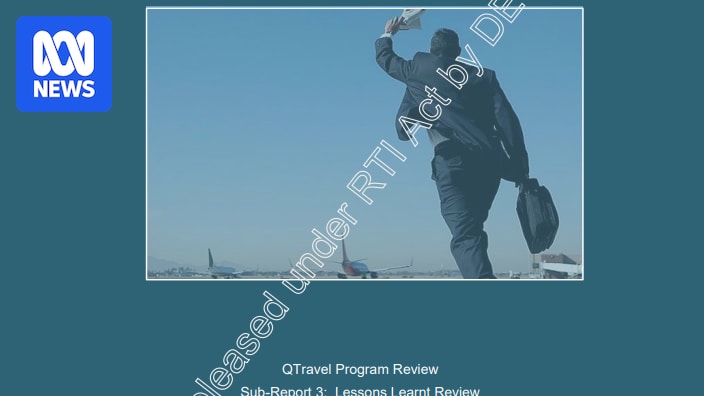
The audit, which the ABC obtained under the Right to Information laws, sheds light on how travel companies could potentially exploit their clients. The June 2022 audit of the Queensland government’s QTravel program, conducted by consultants Butler Caroye and Goldspring, outlines various methods travel companies use to earn income from suppliers like airlines, hotels, and car rental firms through commissions.
Traditionally, travel management companies were expected to pass on all received commissions to their clients. However, these commissions are often part of confidential agreements between suppliers and travel management businesses.
“One case some years ago resulted in a clearly identified underpayment of eight figures based on the travel management companies’ interpretation of ‘commission’ in the contract that was legally difficult to dispute.”
Plane Ticket Mark-Ups and Other Concerns
The audit also highlighted concerns about mark-ups on plane tickets. An investigation into a large business’s travel management company revealed hidden arbitrary mark-ups applied to international airfares over five years, leading to an out-of-court settlement with compensation in the eight-figure range.
Another issue arises when travel management companies use hotel booking systems that incentivize them to make lower available net rates seem unavailable, thereby booking higher rates that earn them commissions. The review suggested that while audits of booking patterns could be effective, they require cooperation from hotel chains, which is not always forthcoming.
The Australian Travel Industry Association, representing agents including Corporate Travel Management, emphasized its commitment to a fair and transparent travel industry, ensuring that its accreditation scheme offers independent reliability and that members adhere to rigorous financial, ethical, and professional standards.
UK Overcharging Scandal
The overcharging scandal in the UK has intensified scrutiny on Corporate Travel. The UK Home Office confirmed it was informed of the overbilling by the Australian travel business last month.
“An urgent investigation is underway into this appalling overspend, which happened under the previous government. All taxpayer money owed will be recovered,” a Home Office spokesman said.
Corporate Travel, which has been involved in key projects with the UK government, including COVID-19 repatriations and managing a controversial asylum-seeker barge program, has declined to answer further questions. The company has faced allegations from short-sellers about accounting irregularities, which it has consistently denied.
Doug Tynan, co-founder of GCQ Funds Management and a short-seller of Corporate Travel, noted that accounting red flags had been apparent since 2018. “For a while there, Corporate Travel was claiming its European business had higher margins than Mastercard. It just didn’t add up,” he said, predicting that European margins would look significantly different after customer refunds.
Corporate Travel’s shares have been suspended since August as auditors review accounts, and the company does not expect to publish financial statements this year.
Lessons from the Queensland Audit
The Queensland government audit also included anecdotes illustrating the consequences of poor service. In one instance, a bank frustrated by slow booking times and responses from its travel management company called a boardroom meeting. The procurement team served a catered lunch during the meeting but offered the travel managers nothing, leaving them alone for half an hour before serving cold coffee.
“The procurement team returned and told the travel managers: ‘now you know how we feel’.
This incident highlights the importance of accountability and transparency in the travel management industry, as clients demand better service and ethical practices.
As the industry grapples with these revelations, the focus will be on implementing measures to prevent such overcharging and ensure that travel management companies operate with integrity and transparency.