



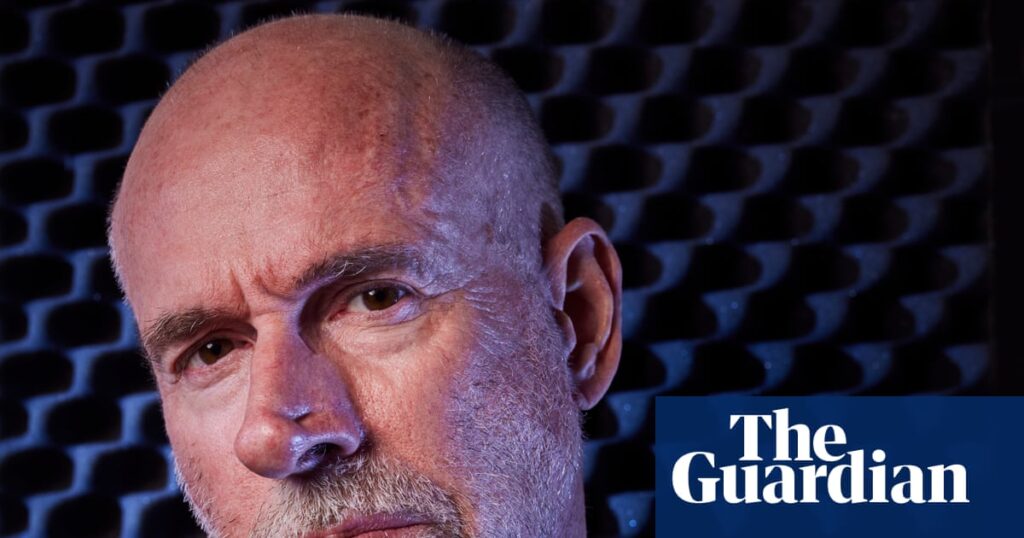
Scott Galloway’s latest book, Notes on Being a Man, has sparked widespread discussion about the evolving crisis of masculinity. Galloway, a successful investor and podcaster, presents a nuanced take on what it means to be a man today. Despite his alpha-male appearance, Galloway is a self-described liberal and progressive thinker, often likened to a “progressive Jordan Peterson” or “Gordon Gekko with a social conscience.”
Speaking from his home in London, Galloway explains that his book is not about dictating how to be a man but sharing his personal successes and failures. His move to the UK three years ago was partly motivated by a desire to raise his two sons in a culturally rich environment, away from the contentious issues surrounding assault rifles and bodily autonomy in the United States.
Challenging the Masculinity Crisis
Galloway’s book addresses what he perceives as a crisis among young men, supported by a wealth of statistics. He cites research indicating rising rates of male unemployment, addiction, loneliness, and educational failures. “We’re going to graduate probably two women for every one man from college in the next five years,” he notes, highlighting the disparity in educational attainment.
Galloway argues that the political left’s denial of these issues may have contributed to Donald Trump’s election, suggesting that young men and their mothers were pivotal demographics in the 2024 election. He criticizes the Democrats for neglecting young men’s interests while Trump embraced the manosphere.
Solutions and Criticisms
In his book, Galloway offers solutions that often revolve around traditional values, such as “men protect, provide, and procreate.” He acknowledges that these ideas can be applied to women as well, but emphasizes the importance of economic viability for men. “Research shows that society, and men themselves, are really hard on men when they’re not economically viable,” he states.
Galloway warns that men who lack economic stability may face a lack of romantic opportunities, leading to social isolation and unhealthy behaviors. He is critical of the tech industry and social media for exacerbating these issues by providing easy dopamine hits and discouraging real-world interactions.
“I worry we are literally evolving a new breed of asexual, asocial male.”
Personal Reflections and Role Models
Galloway’s insights are informed by his own experiences, including a challenging relationship with his father, who left the family when Galloway was nine. Despite these hardships, Galloway has achieved significant success, attributing much of it to luck and structural advantages.
He admires figures like Muhammad Ali and Margaret Thatcher, appreciating their strength and leadership qualities. Galloway also values emotional openness, advocating for men to embrace vulnerability and express emotions freely.
“Crying is good for men… it just feels really good.”
Looking Ahead
Galloway plans to return to the US to contribute to the political landscape ahead of the 2026 and 2028 elections. He aims to support Democratic candidates and build a podcast network to promote progressive ideas.
Ultimately, Galloway’s message is one of self-improvement and societal change. He believes that addressing the masculinity crisis requires a collective effort to “level up” young people and foster economic, romantic, and familial security.
While Galloway’s views may not align with everyone, his willingness to challenge traditional notions of masculinity and advocate for emotional openness sets him apart from many of his contemporaries. In a world where the definition of masculinity is constantly evolving, Galloway’s progressive perspective offers a fresh and thought-provoking take.