




From gigantic dinosaur footprints frozen in stone to a spectacular parade of planets, the scientific discoveries of 2025 delivered moments of real awe. This year, we revisited pivotal moments in human history, from the earliest evidence of fire-making to fresh insights into how humans form lasting bonds. The natural world continued to surprise us as well, with wild chimpanzees filmed using plants as medicine, and Moon dust described by scientists as rarer than gold arriving in the UK for study.
However, not every story brought good news. A giant iceberg drifting towards a remote island threatened wildlife, reminding us that science is just as vital for spotting danger as it is for making discoveries.
Dinosaurs Leave Their Mark in Oxfordshire
A quarry in Oxfordshire revealed one of the world’s largest-ever dinosaur trackway sites, with around 200 enormous footprints left behind 166 million years ago. The tracks capture the movements of two very different dinosaurs: a long-necked sauropod thought to be a Cetiosaurus and the two-legged carnivore Megalosaurus. Some of the trackways stretch for up to 150 meters, and researchers believe they could extend even further, as only part of the quarry has been excavated.
These findings provide a rare glimpse into the lives of these ancient creatures, offering clues about their behavior and environment. According to Dr. Emily Roberts, a paleontologist at the University of Oxford, “The sheer size and preservation of these footprints are extraordinary. They offer us a window into the past, allowing us to understand more about these magnificent creatures and the ecosystems they inhabited.”
Uncovering the Origins of Fire-Making
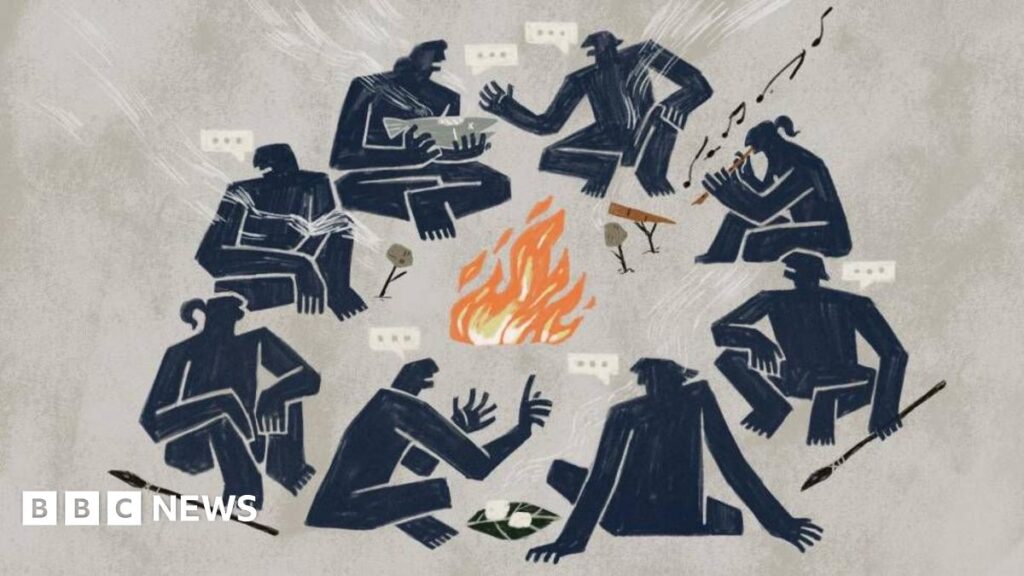
At an archaeological site in Barnham, Suffolk, researchers uncovered remarkable evidence of the earliest known human-made fire, dating back around 400,000 years. This discovery pushes the origins of fire-making back by more than 350,000 years and marks a defining moment in human evolution.
The ability to create fire transformed daily life, providing warmth, enabling food to be cooked, and supporting brain growth, freeing early humans to think, plan, and innovate. Dr. Sarah Thompson, an archaeologist specializing in early human history, explains, “Fire was a game-changer for early humans. It not only provided physical benefits but also played a crucial role in social and cognitive development.”
Monogamy Across Species: Humans and the Animal Kingdom
We humans might think of ourselves as romantically unique, but research comparing pairing behavior across species suggests otherwise. With around 66% of humans forming monogamous bonds, we outscore chimps and gorillas but fall short of the Californian mouse, the true heavyweight champion of lifelong love.
The study shows that while humans are far from the most monogamous creatures, our tendency to pair up for life is still remarkable compared with many other species. Dr. Michael Green, a biologist at the University of Cambridge, notes, “Our study highlights the diversity of mating strategies in the animal kingdom and challenges the notion of human romantic exclusivity.”
Chimpanzees and Natural Remedies
In Uganda, wild chimpanzees have been filmed using plants to treat open wounds and other injuries. Researchers from the University of Oxford, working alongside a local team, observed the animals applying plant material to their own injuries and, in some cases, to those of other chimpanzees.
The findings, built on decades of observations, add to growing evidence that our closest relatives have a surprising knowledge of natural remedies. Dr. Jane Foster, an expert in primate behavior, remarks, “These observations are groundbreaking. They suggest that chimpanzees possess a sophisticated understanding of their environment and its medicinal properties.”
As we look ahead, these discoveries not only deepen our understanding of the natural world but also highlight the interconnectedness of life on Earth. The scientific breakthroughs of 2025 remind us of the power of curiosity and the endless possibilities of exploration.