




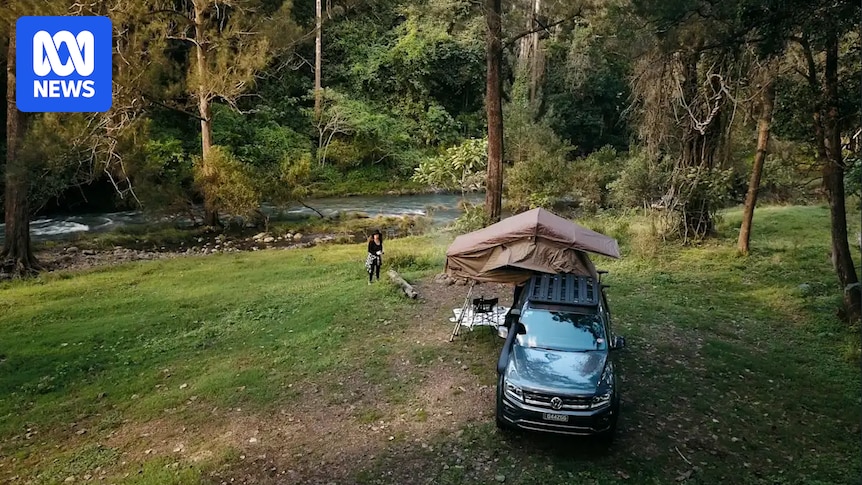
Scenic Rim farmer Robert Roberts is facing a financial dilemma as local council regulations threaten his side business. Roberts, who has been operating a small camping venture on his 200-hectare Sarabah property, listed the site on Hipcamp to supplement his income. However, the Scenic Rim Regional Council has mandated a development permit, potentially costing over $100,000, forcing him to reconsider the viability of his family-owned farm.
The 54-year-old farmer established six campsites along a picturesque creek in the Gold Coast hinterland, charging travelers approximately $30 per night since 2020. This initiative was abruptly halted last year when the council intervened, citing the need for a development permit due to the property’s location in a bushfire, flood, and environmental zone.
High Costs and Bureaucratic Hurdles
Roberts explained that the permit process involves multiple expensive reports and applications to change the land’s use. “You just don’t get the return. No businessperson would ever look at that as being a viable option,” he stated. The loss of camping revenue has made it unsustainable to manage the land, leading Roberts to consider selling the farm, which has been in his family for more than half a century.
“If we can’t run small businesses on our own land to sustain the farm, what do you do then? You can’t make money out of nothing,” Roberts lamented.
Potential Legislative Changes
In response, the Queensland government has introduced new planning guidance aimed at facilitating private camping on properties to boost agritourism and farm-based enterprises. The Scenic Rim Regional Council is currently reviewing its local planning laws to find a balance between supporting camping operators and addressing safety and environmental concerns.
Despite this, property owners are still required to apply for permits during the review process. Roberts expressed optimism about the state government’s stance, yet remains cautious about the timeline for legislative changes.
Expert Opinions and Legal Implications
Bond University associate law professor Tammy Johnson warned that farmers might face a lengthy wait before any amendments become law. “If council decide to proceed, then you’ve got to get it into the legislative process to get the amendments done through parliament and it’s just time consuming,” she noted.
“My words of advice to any of the property owners would be, how much is it really worth to you to be able to let these people come in and camp for a few dollars a night versus what the potential costs are?”
Johnson cautioned that farmers operating without permits risk fines up to $33,000 or lawsuits if accidents occur on their property.
Economic Impact and Future Prospects
Queensland Deputy Premier Jarrod Bleijie announced plans for community consultation on any proposed changes. Meanwhile, Hipcamp spokesperson Mitch Coveney highlighted the Scenic Rim’s popularity as a camping destination, attracting thousands of visitors annually. He emphasized the potential benefits for farmers seeking to diversify income and boost the regional economy.
“With its natural beauty and proximity to major population centres, the region is well-placed to benefit from growing demand in low-impact camping on farming and rural land,” Coveney said.
This development follows a broader trend of agritourism gaining traction as a means for farmers to supplement traditional agricultural income. As the debate over camping permits unfolds, Roberts and other farmers in the region await clarity on their ability to sustain their livelihoods through such ventures.