




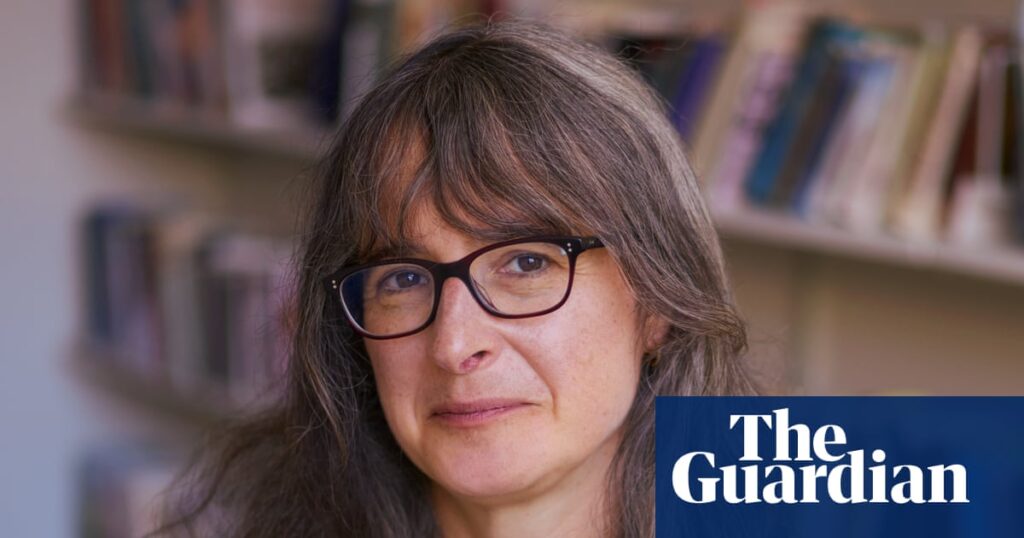
Sarah Moss, the acclaimed author known for her insightful explorations of history and identity, recently shared her reflections on the books that have shaped her life and career. From childhood favorites to transformative reads, Moss’s literary journey offers a window into the evolution of a writer’s mind.
Early Literary Memories
Moss’s earliest reading memory is of Swallowdale by Arthur Ransome. At the age of seven, she found herself immersed in the adventures of the Swallows and Amazons series. Her grandmother, a retired primary school teacher, played a pivotal role in overcoming her early struggles with literacy. Moss recalls the series fondly, particularly the narrative of redemption following a shipwreck and the supportive role of adults when children falter.
Influential Reads of Youth
Growing up, Moss was captivated by The Little House on the Prairie series by Laura Ingalls Wilder. Despite recognizing the problematic politics in hindsight, she acknowledges the impact of the series’ themes of rugged independence and adventure. “I liked the landscapes and the combination of domesticity and adventure,” she notes, highlighting the dual nature of her engagement with the series.
Teenage Transformations
As a teenager, Moss found herself drawn to Victorian fiction, identifying with the plain, clever girls who populated those stories. This period reinforced societal messages she received in the 1990s, equating cleverness with unattractiveness. Reflecting on her teenage years, Moss suggests that young women should approach the mid-century literary canon with critical thinking, as it often presents a male-centric view of the world.
Writers Who Changed Perspectives
Moss believes that every book has the power to change one’s mind. Recently, Ordinary Notes by Christina Sharpe has altered her understanding of the world. This openness to new perspectives is a hallmark of Moss’s reading philosophy.
A Lifelong Love for Storytelling
While Moss cannot pinpoint a single book that inspired her to become a writer, storytelling has always been a part of her life. As a child, she was known for her ghost stories, captivating her peers with her vivid imagination.
Rediscoveries and Revisions
Barbara Pym is an author Moss has recently revisited. Initially resistant to Pym’s portrayal of middle-aged English women, Moss now appreciates the depth and brilliance of her novels. This shift in perspective underscores the evolving nature of a reader’s relationship with literature.
Books Worth Rereading
Moss frequently returns to the works of Austen, Charlotte Brontë, and George Eliot, finding new insights with each read. Her literary lodestars also include Janet Frame, Miriam Toews, and Bill Reid, whose works offer enduring wisdom and inspiration.
Changing Tastes and New Discoveries
Despite her appreciation for classic literature, Moss admits she could never read Wuthering Heights again, finding its themes of eroticized abuse difficult to overlook. In contrast, she continues to discover new authors, particularly those translated into English, like Magda Szabo and Alba De Céspedes.
Current Reads
True to her polyamorous reading habits, Moss is currently engaged with multiple books, including Helen Garner’s How to End a Story and Kathleen Jamie’s Selected Poems. This eclectic mix reflects her ongoing curiosity and commitment to exploring diverse literary landscapes.
Through her reflections, Sarah Moss offers a compelling narrative of how literature shapes and reshapes our understanding of the world. Her journey underscores the transformative power of books and the enduring impact of a lifelong engagement with reading.