


Samsung Electronics is preparing to increase prices for its upcoming Galaxy S26 flagship smartphone series, marking the first such rise in three years. This decision comes as the costs of memory chips and advanced processors soar, driven by the global boom in artificial intelligence (AI), making stable pricing a challenge.
According to industry sources reported by South Korean media outlets, including Korea JoongAng Daily and Yonhap News Agency, the base 256GB model of the standard Galaxy S26 could see a price hike of up to 99,000 won (approximately $68) from the previous generation’s starting price of around 1.15 million won (about $790-$800 in U.S. terms). Similar adjustments are anticipated for the Galaxy S26+ and potentially the premium Galaxy S26 Ultra, though the extent of these increases may vary by market and model.
Factors Behind the Price Increase
The expected price revision stems from several factors. The skyrocketing demand for high-bandwidth memory (HBM) used in AI applications has strained supply chains, compelling manufacturers like Samsung, the world’s largest memory chip producer, to redirect capacity and increase costs for standard DRAM and NAND flash used in smartphones. Additionally, reports indicate elevated production expenses for Samsung’s Exynos 2600 processor, expected in many Galaxy S26 models outside the U.S. and China. This processor is built on an advanced 2nm gate-all-around (GAA) process, which reportedly has lower yields and higher wafer costs.
Despite Samsung manufacturing its Exynos chips internally, sources suggest the company is not in a position to purchase Exynos at a cheaper price than its competitors, indicating internal pricing pressures and absorbed costs to retain clients in both consumer and enterprise segments.
Leadership and Strategic Decisions
Samsung’s co-CEO Roh Tae-moon, who leads the Mobile eXperience (MX) division, hinted at potential impacts during a January briefing with reporters. He noted that “stronger chip performance required for AI devices is making a price increase inevitable.” Last year, Roh reportedly intervened at the last minute to keep Galaxy S25 prices aligned with the S24 series despite similar pressures. However, industry insiders now say even his influence may not suffice for the S26 lineup, with decisions potentially finalized “at the very last minute” ahead of the February 25 unveiling.
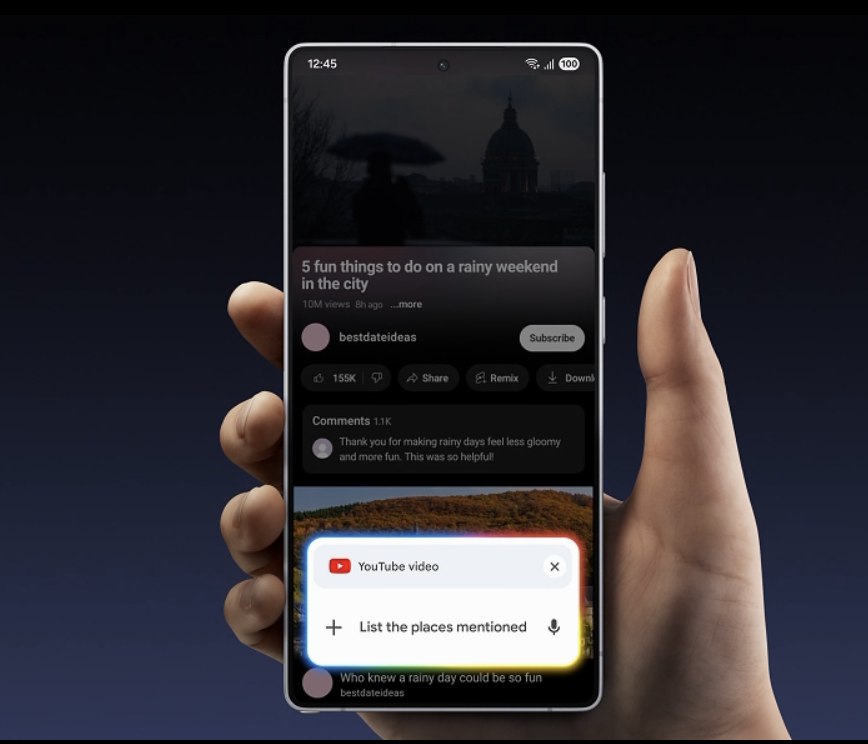
The Galaxy Unpacked event, scheduled for February 25, 2026, in San Francisco, will officially reveal the Galaxy S26, S26+, and S26 Ultra. Pre-orders are likely to open immediately, with devices expected to hit shelves around March 11. Samsung has teased enhancements focused on Galaxy AI integration, including improved low-light video recording, a new “Privacy Display” feature, and more seamless everyday AI interactions to simplify user tasks.
Technical Specifications and Market Position
Expected hardware upgrades for the Galaxy S26 series remain evolutionary. The S26 Ultra is rumored to feature a 6.9-inch Dynamic LTPO AMOLED display with peak brightness exceeding 3,000 nits, a Qualcomm Snapdragon 8 Elite Gen 5 processor (or Exynos 2600 in select regions), up to 16GB RAM, storage options from 256GB to 1TB, and a camera system headlined by a 200MP main sensor. Battery capacities could see modest increases with stacked technology for better efficiency, while charging remains at 60W wired and Qi2-compatible wireless.
Pricing in major markets like the U.S. remains uncertain but could hold steady at previous levels — $799 for the Galaxy S26, $999 for the S26+, and $1,299 for the S26 Ultra — to stay competitive against Apple’s expected iPhone 17 lineup. In contrast, European and Korean markets face clearer upward pressure, with some leaks suggesting regional variations to offset component inflation.
Market Implications and Analyst Perspectives
Analysts express concern that any notable hike could challenge Samsung’s market position in a highly competitive segment, particularly if rivals absorb costs or offer aggressive promotions. Pre-order incentives, including trade-in values up to $900 in some cases, appear scaled back compared to prior years, with reduced free storage upgrades and store credits signaling tighter margins.
The announcement comes as the smartphone industry grapples with balancing innovation and cost management amid ongoing supply chain disruptions and technological advancements. As Samsung navigates these challenges, the company’s strategic decisions in pricing and product differentiation will be crucial in maintaining its competitive edge.
Looking ahead, the Galaxy S26 series’ reception will likely influence future pricing strategies and product development, as Samsung and its competitors continue to adapt to the evolving landscape of consumer electronics.