




Australia’s Therapeutic Goods Administration (TGA) has issued a critical safety warning regarding GLP-1 receptor agonists, a class of drugs that includes Ozempic, due to potential links to suicidal thoughts and behaviors. The alert, released on December 1, 2025, underscores growing concerns about the mental health implications of these medications, commonly prescribed for type 2 diabetes and obesity but increasingly used for weight loss.
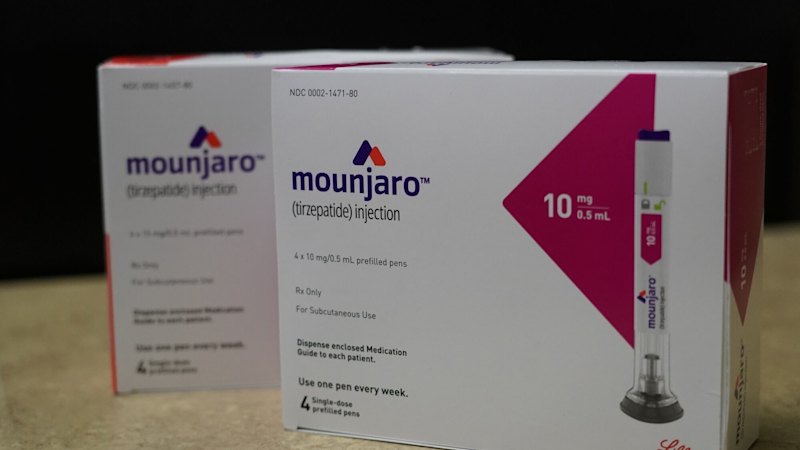
The TGA’s announcement follows investigations by international regulators and highlights the need for heightened vigilance among patients and healthcare providers. The agency has updated product warnings for several high-profile drugs, including Ozempic (semaglutide), Wegovy (semaglutide), Saxenda (liraglutide), Trulicity (dulaglutide), and Mounjaro (tirzepatide).
Investigations and Findings
The TGA’s safety alert is based on a comprehensive review of adverse event reports and expert consultations. As of September 23, the TGA’s Database of Adverse Event Notifications had recorded 85 reports linked to GLP-1 receptor agonists, including 72 instances of suicidal ideation, six reports of depression-related suicide, four suicide attempts, two suicides, and one case of self-injurious ideation.
An independent expert group, the Advisory Committee on Medicines (AMC), was consulted during the investigation. Although the AMC found insufficient evidence to establish a direct causal link between GLP-1 drugs and suicidal thoughts or behaviors, it acknowledged the complex relationship between mental health and chronic endocrine disorders treated by these medications.
“Patients taking these medicines should tell their health professional if they experience new or worsening depression, suicidal thoughts, or any unusual changes in mood or behavior,” the TGA alert advised.
Implications for Contraceptive Use
In addition to mental health concerns, the TGA has flagged potential interactions between the GLP-1 drug Mounjaro and oral contraceptives. The agency advises that Mounjaro may reduce the effectiveness of oral contraceptives, recommending that patients switch to non-oral contraception or use barrier methods, such as condoms, for four weeks after starting or increasing the dose of the medication.
The updated guidance emphasizes that none of the GLP-1 receptor agonists should be used during pregnancy, urging individuals of childbearing potential to adopt effective contraceptive measures while undergoing treatment.
Industry Response and Expert Opinions
Novo Nordisk, the manufacturer of Ozempic, and Eli Lilly, the producer of Mounjaro, have been contacted for comments on the TGA’s findings. The pharmaceutical industry is closely monitoring the situation as regulatory bodies worldwide continue to evaluate the safety profiles of these medications.
Experts in the field of endocrinology and mental health have weighed in on the TGA’s alert. Dr. Sarah Johnson, a leading endocrinologist, noted, “While the benefits of GLP-1 receptor agonists in managing diabetes and obesity are well-documented, it’s crucial to balance these benefits with potential risks, particularly concerning mental health.”
Dr. Johnson added, “Healthcare providers must remain vigilant and engage in open discussions with patients about any changes in mood or behavior.”
Looking Ahead
The TGA’s alert is expected to prompt further research into the safety and efficacy of GLP-1 receptor agonists, particularly concerning their psychological effects. As the medical community seeks to harmonize product information across this class of drugs, patients are encouraged to report any adverse effects and consult healthcare professionals regularly.
This development underscores the ongoing need for comprehensive safety evaluations of widely used medications, ensuring that patient well-being remains at the forefront of pharmaceutical care.
For those affected by mental health issues, support is available through Lifeline at 131 114, Beyond Blue at 1300 224 636, or PANDA at 1300 726306.