
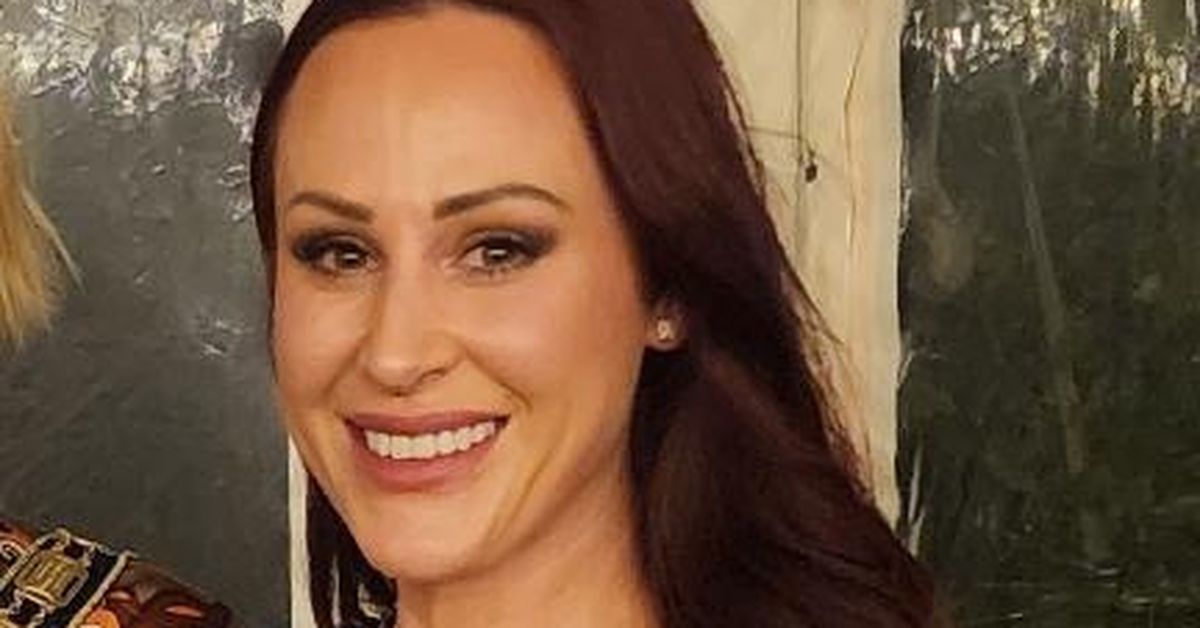
On a sunny September 15, 2024, at the West Palm Beach golf course, former U.S. President Donald Trump narrowly escaped a second assassination attempt. This incident occurred just two months after surviving an earlier attack during a rally in Butler, Pennsylvania. Trump, then campaigning for his second presidential term, was accompanied by his Secret Service detail and real estate mogul Steve Witkoff when Ryan Wesley Routh, a 59-year-old roofer turned activist, attempted the act.
Routh, who has now been sentenced to life in prison, meticulously planned the attack with the alleged aim to “up-end American democracy,” as stated by a prosecutor during his trial. This article delves into the life of Routh, his motivations, and the implications of his actions.
The Unlikely Assassin: Ryan Wesley Routh
Ryan Wesley Routh spent most of his life in Greensboro, North Carolina, where he owned a roofing business. Described by a former classmate as social but not particularly popular, Routh’s life took a turn that few would have predicted. His criminal record includes charges for theft, driving with a suspended license, and multiple hit-and-runs. In 2002, he was charged with possession of a “weapon of mass destruction” after reaching for a machine gun during a traffic stop.
Routh’s move to Hawaii in 2018 marked a new chapter, where he planned to build sheds to combat homelessness. His passion for Ukraine’s struggle against Russia was evident as he participated in demonstrations and expressed a desire to “fight and die for Ukraine.” However, his ideas were dismissed by Ukrainian military officials as “delusional.”
The Plot Unfolds
In late July 2024, Routh sought the help of a former employee to purchase a rifle, as his criminal record barred him from buying firearms. The transaction involved a “Chinese-made SKS rifle,” similar to an AK-47. By the time Routh acquired the weapon, the Secret Service faced scrutiny for failing to prevent the earlier assassination attempt in Pennsylvania.
On the day of the planned attack, Routh waited by the golf course’s fence line for nearly 12 hours. The Secret Service, alerted to Trump’s unscheduled golf outing, had flagged the course as a potential risk. Despite security measures, Routh managed to get within 1.5 meters of an agent before being noticed.
Security Breach and Capture
The Secret Service agent, upon spotting Routh and the barrel of the gun through the fence, fired at him. The ensuing chaos saw Trump quickly removed from the course while Routh fled the scene. He left behind a digital camera, a loaded rifle, and other items. The rifle’s serial number was obliterated, and preliminary tests showed plates capable of stopping small arms fire were found in his belongings.
Law enforcement tracked Routh’s vehicle and apprehended him shortly after. His car contained multiple license plates, six cell phones, and a notebook with details of Trump’s appearances and contacts related to Ukraine.
The Trial and Sentencing
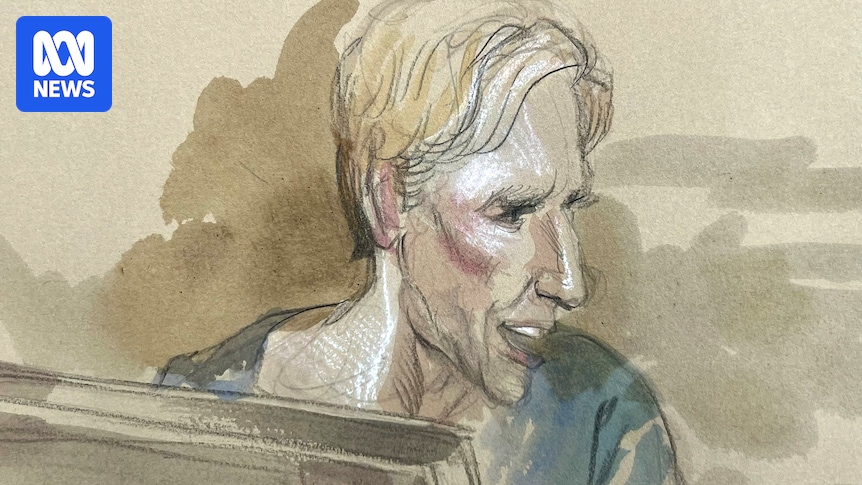
Routh represented himself at trial, often clashing with the judge. He faced charges including attempted assassination of a major presidential candidate. Despite his claims of not intending to kill Trump, the jury found him guilty on all counts after a brief deliberation. Routh’s dramatic attempt to harm himself in court underscored his mental state.
Judge Aileen Cannon sentenced Routh to life in prison, condemning his actions as “deliberate” and “evil.” In his final address, Routh described himself as a “hollow American shell,” lamenting that execution was not an option.
Implications and Reflections
This case highlights the vulnerabilities in security protocols and the lengths to which individuals may go to disrupt political processes. It raises questions about the effectiveness of current measures and the need for enhanced security for political figures, even those not currently holding office.
The incident also reflects broader societal issues, including political polarization and the influence of international conflicts on domestic actions. As the U.S. grapples with these challenges, the case of Ryan Wesley Routh serves as a stark reminder of the potential consequences of unchecked extremism.
Moving forward, it will be crucial for law enforcement and security agencies to reassess their strategies and ensure the safety of public figures, particularly in an increasingly volatile political climate.