

Screenshot
The ongoing negotiations between Russia and Ukraine have once again hit a familiar stumbling block: territorial disputes. This persistent issue has been highlighted by U.S. Vice President J.D. Vance, who recently remarked,
“The thorniest issues have never been resolved, including who will control the Donbas region.”
Despite these challenges, there are mixed signals from the international community regarding the progress of these talks.
While the U.S. maintains a cautiously optimistic stance, certain European leaders are more hopeful. Finnish President Alexander Stubb has expressed confidence, stating,
“We are closer to an agreement than at any time.”
The upcoming briefing of Russian officials in Miami will serve as a critical test of these diplomatic efforts. Meanwhile, White House envoy Steve Witkoff, alongside Ukrainian security council head Rustem Umerov, described the recent talks on December 21 as “productive and constructive,” emphasizing a “shared strategic approach between Ukraine, the United States, and Europe.”
Russia’s Strategic Interests
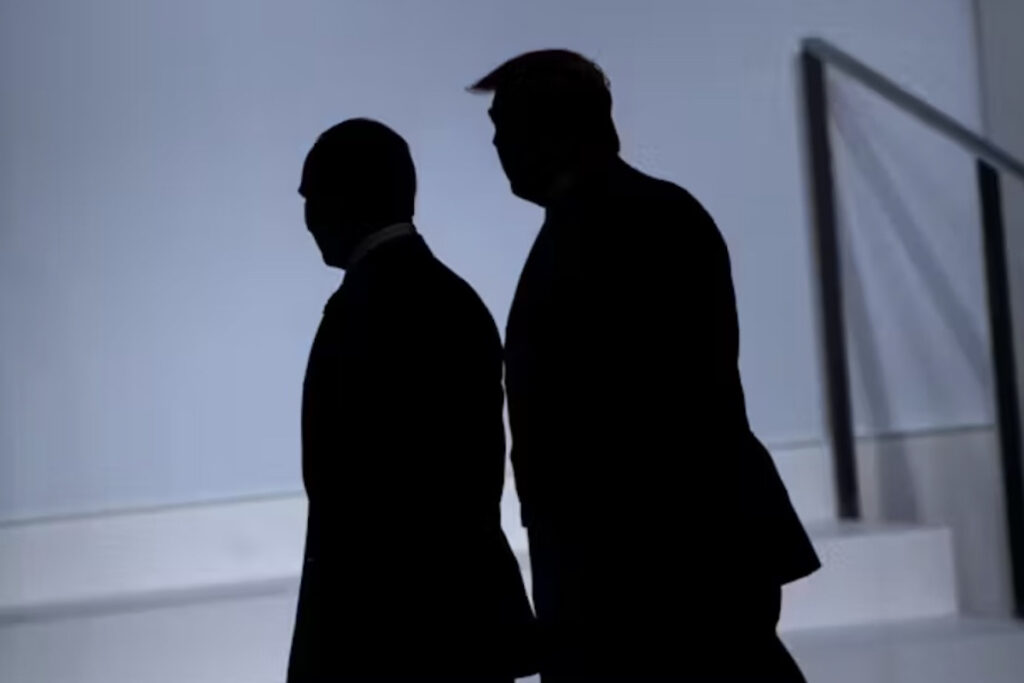
For Russia, the negotiations are not solely about resolving the conflict in Ukraine, a situation they claim to be managing successfully. Instead, Russia is eyeing a broader strategic relationship with the United States. This ambition is evident in the discussions led by Kirill Dmitriev, the main Russian negotiator, who has been exploring various investment and business opportunities with U.S. negotiator Steve Witkoff.
These potential business collaborations could include joint ventures in the Arctic region, where Russia currently holds a competitive edge over the United States, as well as cooperation in technology and minerals, such as rare earths and uranium. However, any economic agreement would necessitate the lifting of existing U.S. sanctions against Russia.
Economic and Military Considerations
Dmitriev, an investment specialist, does not have the authority to engage in discussions on strategic military issues, which are expected to be addressed in future negotiations. Russia has consistently expressed a desire to normalize relations with both the United States and NATO, aiming to establish strategic agreements that would stabilize its relations with Western powers.
However, the involvement of Witkoff and his associate, Jared Kushner, in these dialogues raises questions about their security clearances and ability to engage in strategic discussions with Russia. Meanwhile, French President Emmanuel Macron’s recent suggestion for a direct dialogue with Russian President Vladimir Putin indicates a potential shift in European diplomatic efforts. Although Russia has welcomed dialogue with Europe, it has been careful not to undermine the U.S.-led peace initiatives.
The Broader Implications
Russia’s motivations for seeking strategic military, diplomatic, and political agreements with the United States and NATO are multifaceted. President Vladimir Putin is acutely aware of the need to reorient Russia’s economy post-Ukraine conflict. The country’s increasing reliance on China for advanced technologies highlights the urgency of diversifying its economic partnerships.
Historically, Russia’s limited investment in its commercial sector has left it lagging behind in critical areas such as electronics, advanced machine tools, and artificial intelligence. While Russia has made strides in restoring its aerospace capabilities, the commercial viability of these advances remains in question. In contrast, Western nations and China continue to invest heavily in AI, leaving Russia at a disadvantage in modern military integration and decision-making.
The central question remains whether Russia can secure future agreements with the United States and key NATO countries, such as France, without resolving the Ukraine conflict. Ukrainian President Volodymyr Zelensky’s firm stance on territorial issues may inadvertently facilitate a strategic rapprochement between Russia and the United States, bypassing the immediate need for a resolution in Ukraine.
As these negotiations unfold, the international community watches closely, aware that the outcomes could reshape geopolitical alliances and influence global economic dynamics. The path ahead is uncertain, but the stakes are undeniably high for all parties involved.