


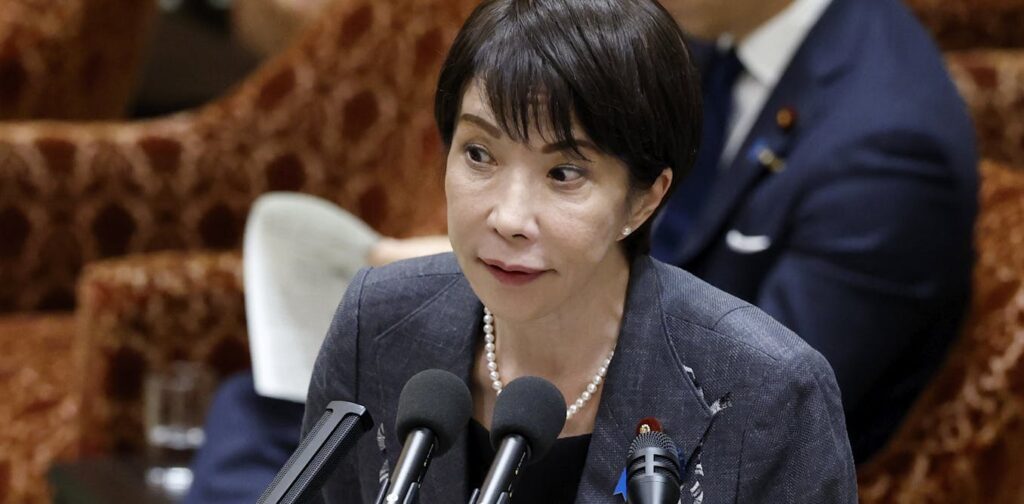
Though China and Japan have a long history of navigating diplomatic crises, relations between these two neighboring nations have reached a new low. The latest conflict, ignited by remarks from Japanese Prime Minister Sanae Takaichi, suggests that resolution may not come easily.
The current tensions were sparked on November 7 when Takaichi, speaking in the Diet, implied that any Chinese military action against Taiwan would prompt Japanese military intervention. She described such a scenario as a “survival-threatening situation” for Japan, justifying its right to collective self-defense alongside its US ally to restore peace across the Taiwan Strait.
Historical Context and Diplomatic Crisis
Taiwan’s complex history with Japan and China adds layers to the current diplomatic crisis. Once a Japanese colony from 1895 to 1945, Taiwan later became a refuge for Chiang Kai-shek’s Nationalists after their defeat by Mao Zedong’s communist forces in 1949. Today, Beijing views Taiwan as a province of China, despite never having ruled it, and considers any statements to the contrary as interference in its domestic affairs.
Beijing swiftly demanded a retraction and apology from Takaichi, with its “wolf warrior diplomats” launching a verbal offensive. When the Japanese prime minister stood firm, China retaliated with a combination of political, economic, and military pressure.
China’s response included warnings to its citizens against traveling to Japan, advising students to reconsider their plans, and reducing imports of Japanese seafood. Cultural exchanges were also affected, with cancellations of concerts and movie screenings featuring Japanese artists. Militarily, China’s Coast Guard and Navy increased their presence in the contested waters of the Senkaku islands, known in China as the Diaoyu islands.
Economic Implications and Historical Parallels
China and Japan are significant trading partners, and the current tensions are expected to impact Japan’s economy. Estimates suggest the economic fallout could reach ¥2.2 trillion (A$14.2 billion). However, these measures are not as severe as past conflicts.
In the early 2000s, tensions flared over Japanese leaders’ visits to the Yasukuni Shrine and textbook revisions, leading to widespread anti-Japanese protests in China. In 2010, China halted rare earth mineral exports to Japan after a maritime incident involving a Chinese captain. The 2012 nationalization of the Senkaku islands by Japan further escalated military tensions.
“A fifth of Japan’s inbound tourism came from China this year, highlighting the economic interdependence between the two nations.”
Despite these historical disputes, both nations have generally managed to prevent diplomatic tensions from severely impacting trade. Japanese investments have been crucial in China’s industrial modernization, fostering close economic ties.
Political Dynamics and Future Prospects
The current crisis appears more challenging to resolve. Takaichi, an arch-conservative and protégé of former Prime Minister Shinzo Abe, has pledged to strengthen Japan’s defense capabilities and its alliance with the United States. Her stance reflects growing concerns in Tokyo about the security of Taiwan and its implications for Japan.
Following Russia’s invasion of Ukraine, former Prime Minister Kishida Fumio warned that “Ukraine may be the East Asia of tomorrow,” underscoring Taiwan’s significance in international security. Takaichi has announced plans to increase Japan’s defense budget to 2% of GDP by March 2026, with potential tax hikes to fund this expansion.
“Japan’s supply chains have become more resilient, with strategies to de-risk investments and production away from China.”
The political landscape in Japan has shifted, with Takaichi’s governing coalition excluding the Komeito party, traditionally seen as a bridge to Beijing. Within her Liberal Democratic Party, figures skeptical of China’s rise, like Taro Aso, hold significant influence.
With diplomatic channels limited and domestic political agendas taking precedence, an off-ramp for the current dispute remains elusive. As Xi Jinping’s China grows more powerful, it has numerous options to escalate tensions further, including weaponizing trade and increasing military exercises.
While Japan has learned from past crises and strengthened its economic resilience, the path to de-escalation is fraught with challenges. The international community will be closely watching how these two Asian powerhouses navigate their complex relationship in the coming months.