

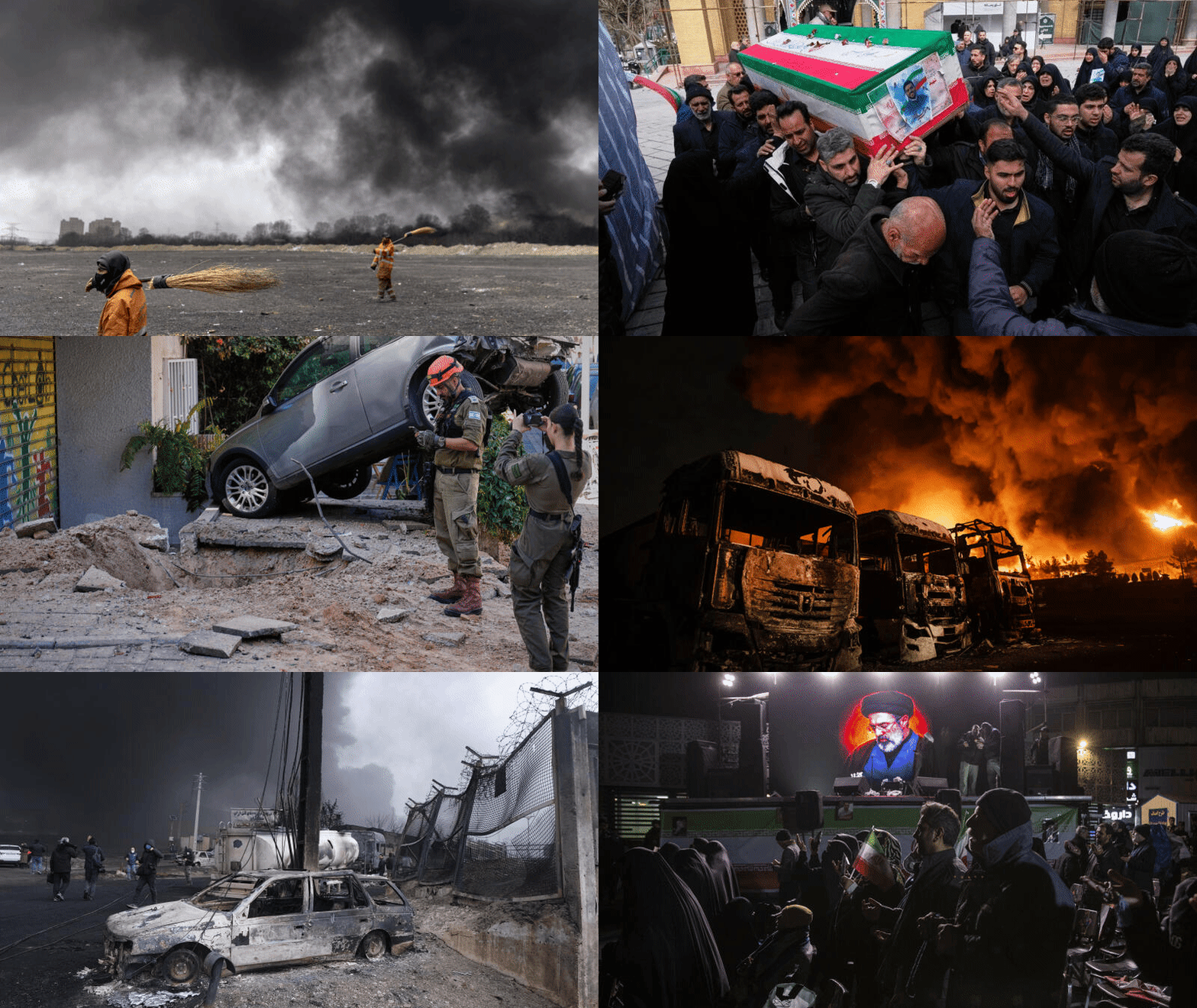
In a rapidly escalating conflict, the United States and Israel have launched a new wave of strikes on Iran, leading to significant geopolitical tremors across the globe. The situation has already claimed the lives of seven US soldiers, with fears mounting over potential repercussions on global oil prices and regional stability.
The latest developments come as Bahrain accuses Iran of targeting civilian infrastructure, including a desalination plant critical to the region’s water supply. Despite the damage, Bahrain’s electricity and water authority has assured that supplies remain unaffected, according to the Associated Press.
Impact on Regional Stability
The strike on Bahrain follows Iran’s claims that a US airstrike damaged a desalination plant on Qeshm Island, disrupting water supplies to 30 villages. This incident underscores the vulnerability of essential infrastructure in the Middle East, where water scarcity is a perennial issue.
Meanwhile, the US State Department is preparing to evacuate nonessential personnel and families from Saudi Arabia, as Iran escalates its retaliation. This “ordered departure” status has already been implemented in eight other US diplomatic missions across the Middle East and South Asia, highlighting the widespread impact of the conflict.
Iran’s Leadership and Military Posture
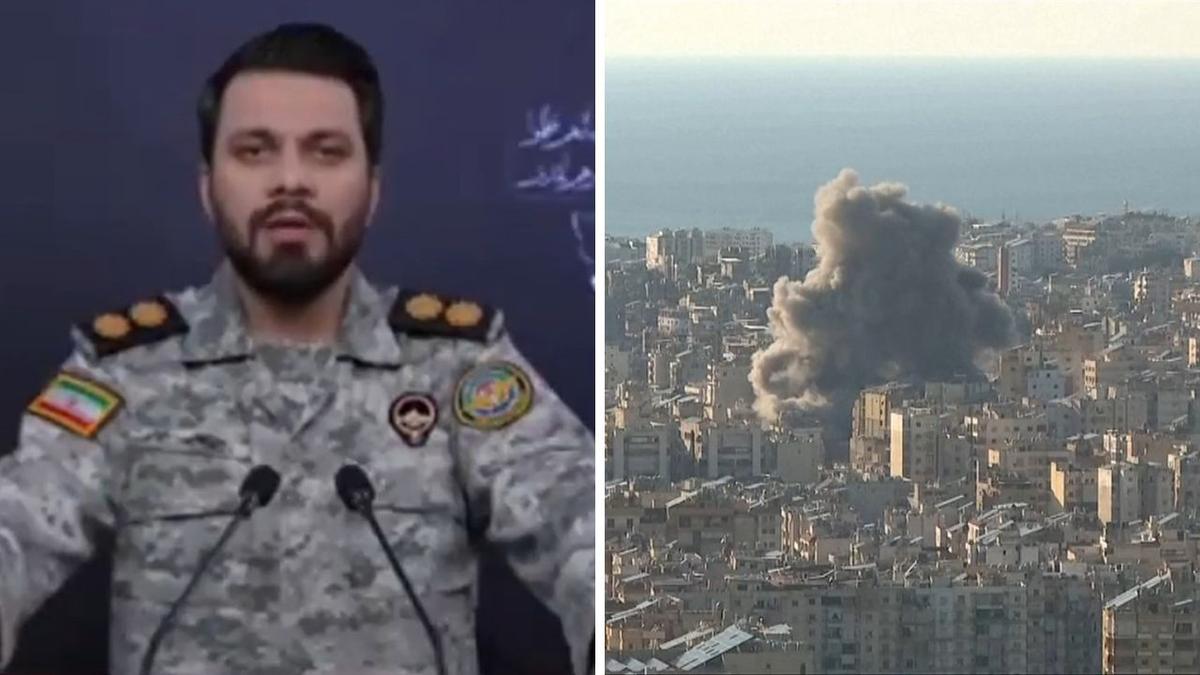
Amidst the turmoil, Iran’s paramilitary Revolutionary Guard has pledged allegiance to Mojtaba Khamenei, the newly appointed Supreme Leader. The Guard, responsible for Iran’s missile operations, reaffirmed its commitment to follow Khamenei’s orders, signaling a continuation of Iran’s defiant stance against US and Israeli actions.
The appointment of Mojtaba Khamenei, succeeding his father Ayatollah Ali Khamenei, has been met with skepticism by US President Donald Trump. In a recent interview, Trump dismissed the new leader as a “lightweight,” expressing his preference for a figure who could bring peace to Iran, akin to Interim Venezuelan President Delcy Rodríguez.
Economic Repercussions and Global Market Reactions
The conflict’s economic impact is already being felt worldwide. Oil prices have surged past $100 per barrel for the first time in over three years, driven by disruptions in Middle Eastern production and shipping. Brent crude, the international benchmark, has seen a 9.2% increase, trading at $101.19 per barrel.
“Short term oil prices, which will drop rapidly when the destruction of the Iran nuclear threat is over, is a very small price to pay for USA, and World, Safety and Peace,” stated President Trump on Truth Social.
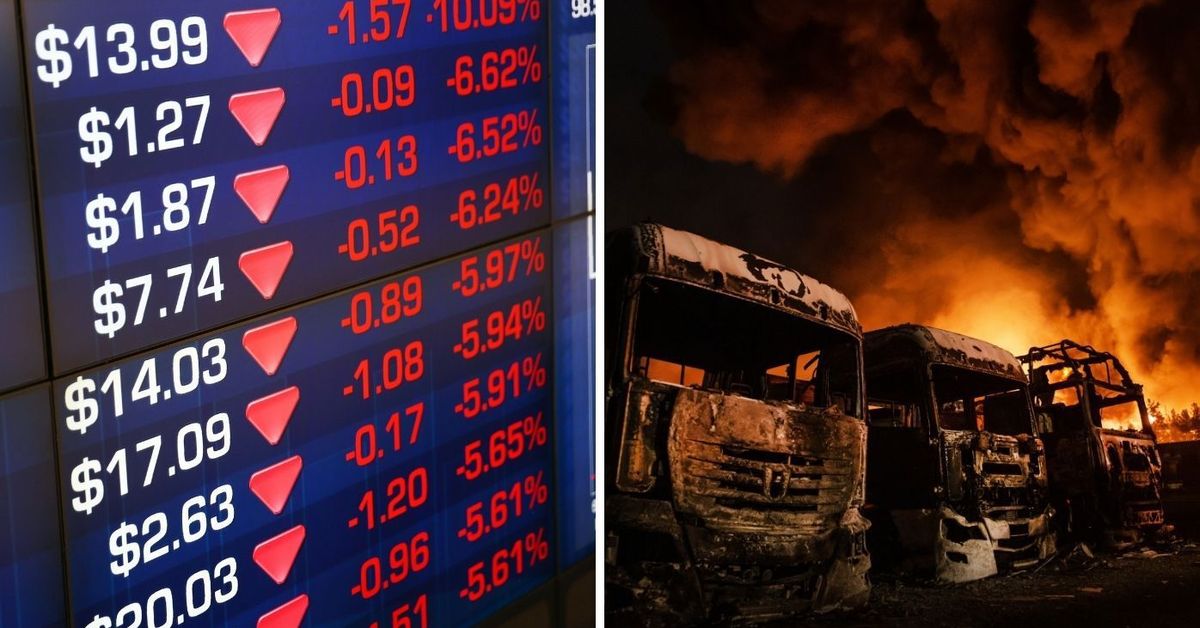
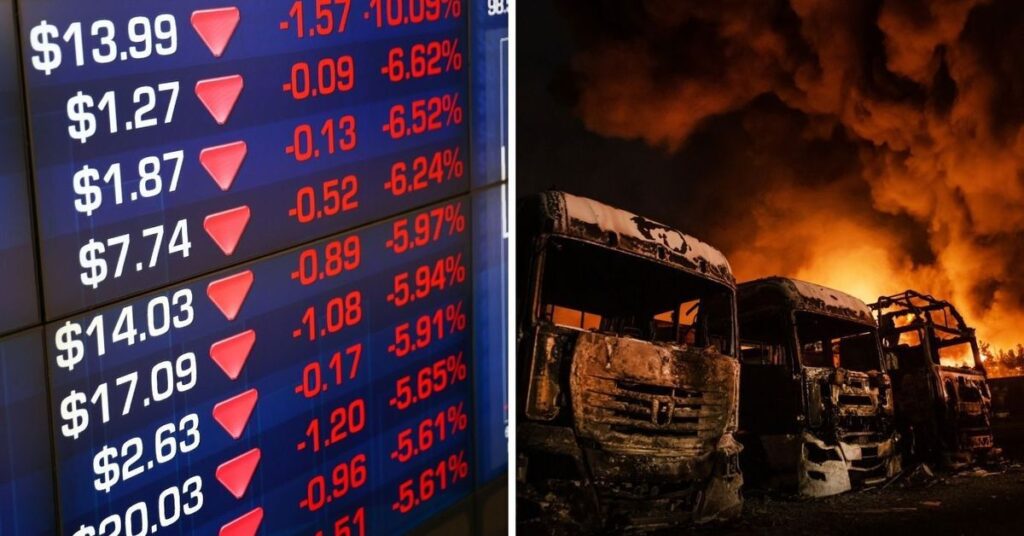
In Australia, the ASX200 index has plummeted by 3.3%, wiping out over $100 billion in market value. This downturn is primarily attributed to rising oil prices, which threaten to erode profit margins for mining companies. If the trend continues, it could mark the worst day for the Australian stock market since April 2025.
Global Implications and Future Outlook
The ongoing conflict between the US-Israel coalition and Iran poses significant risks to global stability. The strategic Strait of Hormuz, a critical chokepoint for global oil shipments, remains a potential flashpoint for further military engagements.
Experts warn that prolonged instability could lead to sustained high oil prices, exacerbating inflationary pressures worldwide. Additionally, the humanitarian impact on the region’s civilian population, particularly in water-scarce areas, could be severe if infrastructure continues to be targeted.
As the situation unfolds, the international community remains on high alert, with diplomatic efforts likely to intensify in an attempt to de-escalate tensions. The coming days will be crucial in determining the trajectory of this conflict and its broader implications for global peace and economic stability.