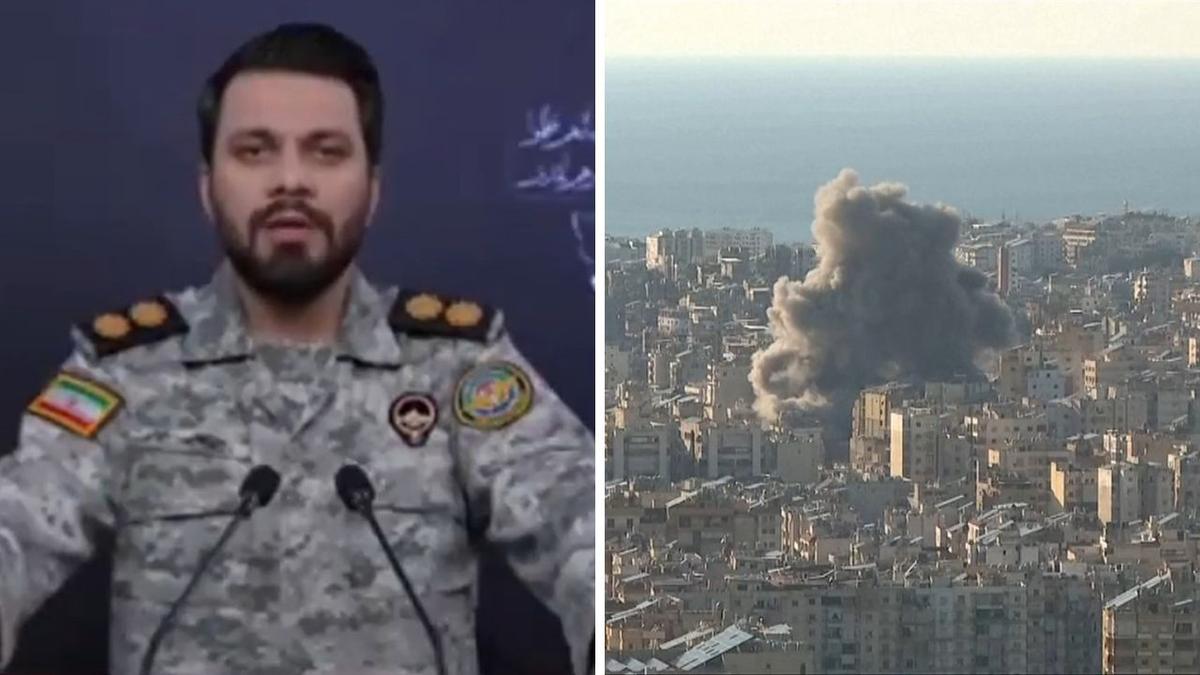
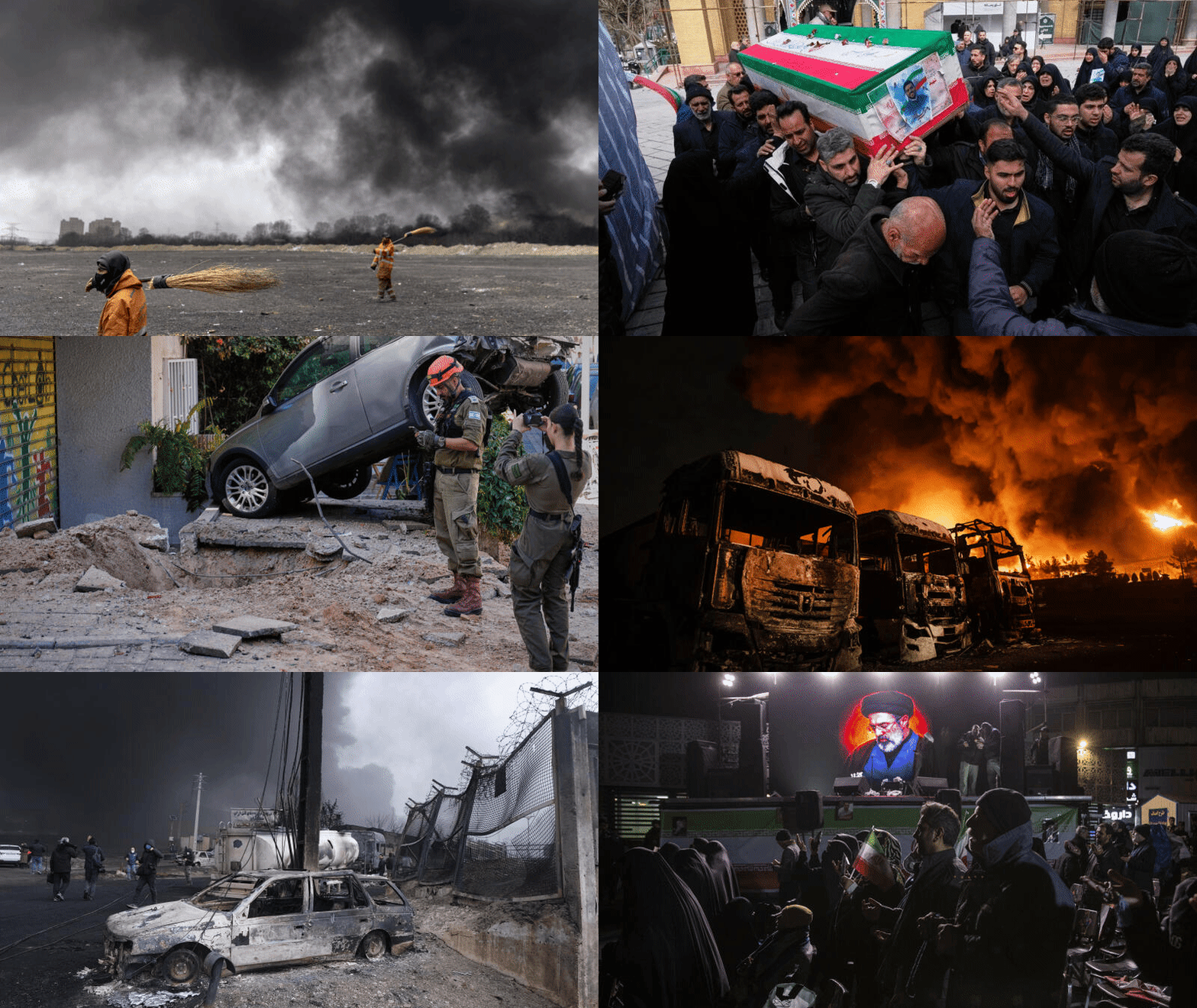

In a dramatic escalation of geopolitical tensions, Türkiye’s Foreign Minister Hakan Fidan has warned against any attempts to incite a civil war within Iran, labeling such actions as a “historic” mistake. His cautionary statement follows NATO’s interception of a ballistic missile from Iran, aimed at Türkiye, earlier this week. The incident has intensified concerns about regional stability.
Fidan’s comments came amid reports that Washington is considering arming Kurdish guerrillas to infiltrate Iran, a move reportedly supported by US President Donald Trump. “We are against all scenarios that aim to instigate a civil war in Iran, that target ethnic or religious fault lines,” Fidan asserted during a press briefing in Istanbul. “This is the most dangerous scenario.”
Global Protests and Political Backlash
Meanwhile, the geopolitical ripple effects of the US and Israeli strikes on Iran have sparked protests across the globe. In Jakarta, hundreds gathered to urge Indonesian President Prabowo Subianto to withdraw from the US-led Board of Peace (BoP), chaired by Trump. The strikes have fueled domestic discontent over Indonesia’s involvement in the board, which critics argue contradicts its peacekeeping mission.
Major Islamic organizations in Indonesia have voiced their opposition, with civil society groups and prominent figures signing a petition against the BoP. “Consequently, the Board of Peace has effectively transformed into a ‘Board of War’,” the petition states, criticizing the board’s military actions against Iran. The petition calls for Indonesia’s immediate withdrawal from the BoP.
Indonesia’s Delicate Diplomatic Position
President Prabowo has been engaging in high-level discussions with former leaders and Islamic figures regarding Indonesia’s role in the BoP. According to sources, the recent military actions have prompted Indonesian officials to reconsider their participation. A spokesperson for the foreign ministry indicated that the government is “carefully assessing” its membership.
Prabowo has reportedly assured Islamic leaders that he would withdraw if the BoP no longer benefits Palestinians. Additionally, he has offered to mediate in the ongoing conflict, with the foreign ministry suggesting he could travel to Tehran to facilitate peace talks. “Indonesia is ready to play a constructive role in advancing peace,” Foreign Minister Sugiono stated in a recent video message.
International Demonstrations Against Military Actions
Across the globe, public demonstrations have erupted in response to the military strikes. In London, protesters marched from Millbank to the US embassy, organized by the Stop the War Coalition and other groups like the Palestine Solidarity Campaign. The demonstrators carried signs with messages such as “Stop bombing Iran” and “Stop Trump’s wars,” while waving Palestinian and Iranian flags.
“The war is causing untold death and destruction in Iran and risks plunging the already devastated region into wide war,” the Stop the War Coalition stated ahead of the protest. “It is essential that everyone who values peace and wants to see an end to the suffering of the people of the Middle East takes a stand.”
Increased police presence was noted at the march, with the Metropolitan Police announcing heightened patrols over the weekend.
Iran’s Leadership Crisis Amidst Conflict
As tensions mount, Iran faces a leadership crisis following the assassination of Ayatollah Ali Khamenei. Iranian clerics have called for the swift appointment of a new supreme leader. Ayatollah Hossein Mozafari, a member of the Assembly of Experts responsible for selecting the leader, indicated that the assembly may convene imminently to decide on Khamenei’s successor.
State media reported that Grand Ayatollah Naser Makarem Shirazi emphasized the need for a quick decision to “help better organize the country’s affairs.” In the interim, a three-man council has been appointed to manage state matters.
The unfolding situation in Iran and the broader Middle East continues to draw international attention and concern, with diplomatic efforts and public protests highlighting the complex web of alliances and conflicts shaping the region’s future.