



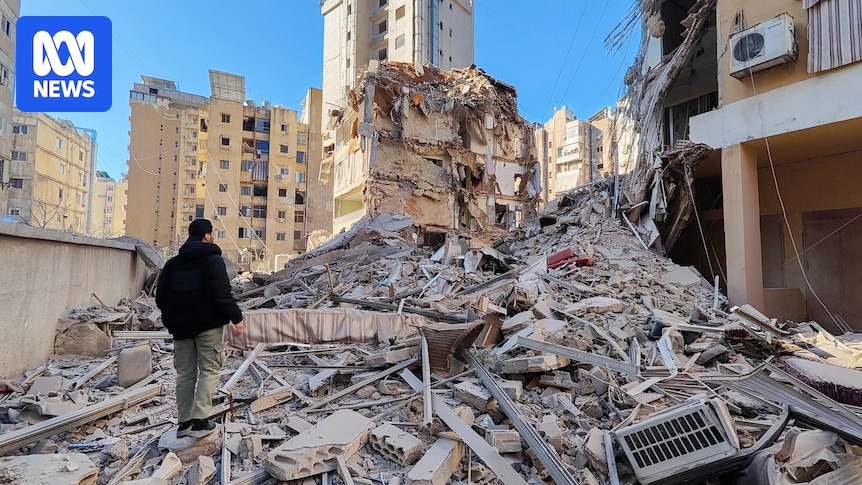
The US-Israeli campaign against Iran is escalating, with Israeli evacuation orders in Beirut’s southern suburbs intensifying fears of a rapidly widening war. The Israeli military’s directive for residents to vacate parts of the Lebanese capital has triggered a panicked exodus and traffic chaos in the densely populated city, home to tens of thousands.
Lebanon found itself drawn into the conflict earlier this week when Hezbollah, the Iran-backed Lebanese militia, launched rockets into northern Israel. This provoked Israeli airstrikes targeting the southern suburbs of Beirut, as well as parts of southern and eastern Lebanon. Israeli Finance Minister Bezalel Smotrich issued a stark warning, suggesting Dahiyeh, a suburb in the south of Beirut, could soon resemble war-torn areas of Gaza.
“You wanted to bring hell on us but you have brought hell upon yourselves. The Dahiyeh will look like Khan Younis,” Smotrich declared, referencing a city in Gaza.
While Israel has previously ordered evacuations of specific buildings in Dahiyeh, this is the first instance of a directive for the entire area, leading hundreds of displaced individuals to gather in downtown Beirut. According to the Lebanese health ministry, Israeli attacks have resulted in at least 102 fatalities since Monday.
Global Repercussions and Military Movements
The conflict, now in its sixth day, has prompted European nations to expedite the deployment of military assets to the Middle East. Global leaders are on edge, bracing for potential impacts on the international economy. Countries worldwide, including Australia, are hastily organizing repatriation flights as the conflict keeps much of the region’s airspace closed and flights grounded.
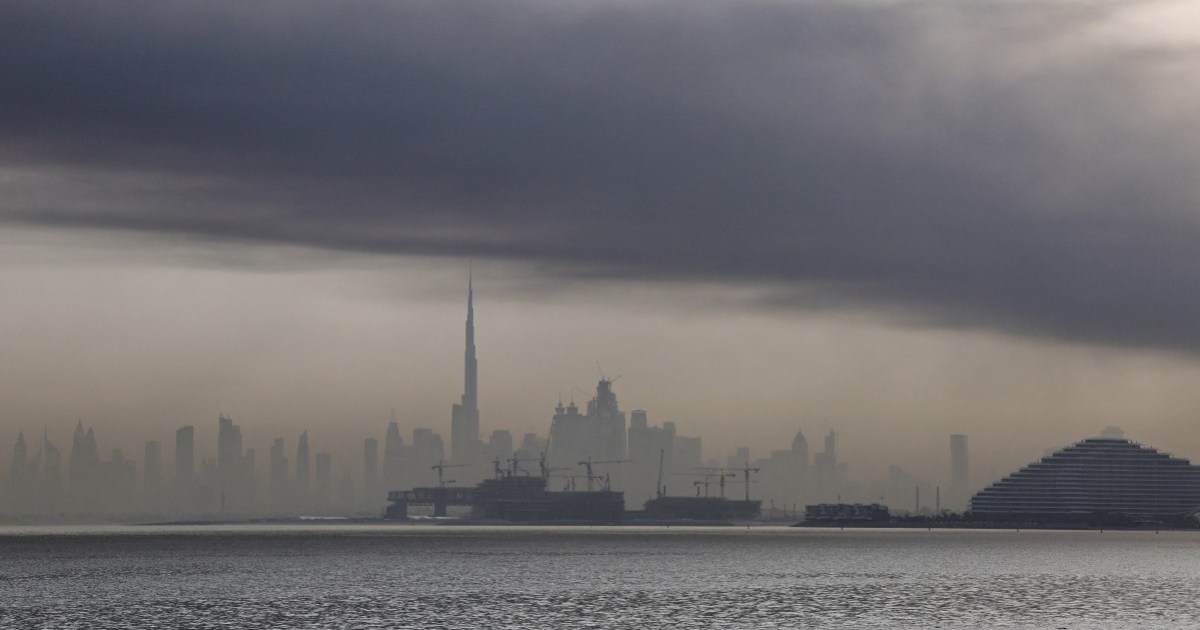
Meanwhile, Israel has launched a fresh wave of strikes on Tehran, with the Iranian capital enduring continued bombardment. The United Arab Emirates’ defense ministry has reported heightened Iranian missile and drone threats, while explosions have been noted in Qatar, Kuwait, and Bahrain.
Regional Escalation and International Tensions
Iran has retaliated by launching missiles at Israel and allegedly deploying drones into Azerbaijan, injuring four individuals in the Nakhchivan exclave. Iran’s armed forces have denied responsibility, attributing the drone attack to Israel. Azerbaijan’s President Ilham Aliyev has vowed retaliation, heightening concerns of further regional spillover.
“Our armed forces have been instructed to prepare and implement appropriate retaliatory measures,” Aliyev stated.
Iran has also pledged revenge for a US torpedo attack on an Iranian warship off Sri Lanka’s coast, which resulted in over 80 sailor fatalities. Iranian Foreign Minister Abbas Araghchi warned that Washington would “bitterly regret” its actions.
Sri Lanka has recovered numerous bodies, and its navy has rescued 32 individuals, with 11 still unaccounted for. The Australian government is investigating reports of Australian personnel aboard the American submarine involved in the incident.
Economic Impact and Political Maneuvering
The conflict has also affected the Persian Gulf’s energy sector, with nine oil tankers attacked since the weekend. This includes a Bahamas-flagged tanker targeted by an Iranian explosive-laden boat near an Iraqi port. Another tanker off Kuwait is leaking oil following a significant explosion.
Inside Iran, the memorial for the slain leader Ayatollah Ali Khamenei, assassinated in the early hours of the US-Israeli campaign, has been abruptly postponed. The event was to mark the beginning of three days of mourning for the leader who ruled Iran for 36 years.
US President Donald Trump reportedly expressed opposition to Khamenei’s son, Mojtaba, as a successor, stating, “Khamenei’s son is unacceptable to me. We want someone that will bring harmony and peace to Iran.”
Iranian officials have not provided reasons for the memorial’s delay, but Reuters suggests fears of assassination amidst ongoing airstrikes may have influenced the decision. This escalation coincides with the US House of Representatives preparing to vote on a war powers resolution aimed at halting President Trump’s actions against Iran.
Iran’s attacks have driven crude oil prices up by over $10 a barrel, posing significant challenges to affordability and other domestic issues in the US as midterm elections approach.
The situation remains fluid, with international stakeholders closely monitoring developments as the conflict threatens to reshape geopolitical dynamics in the region.