


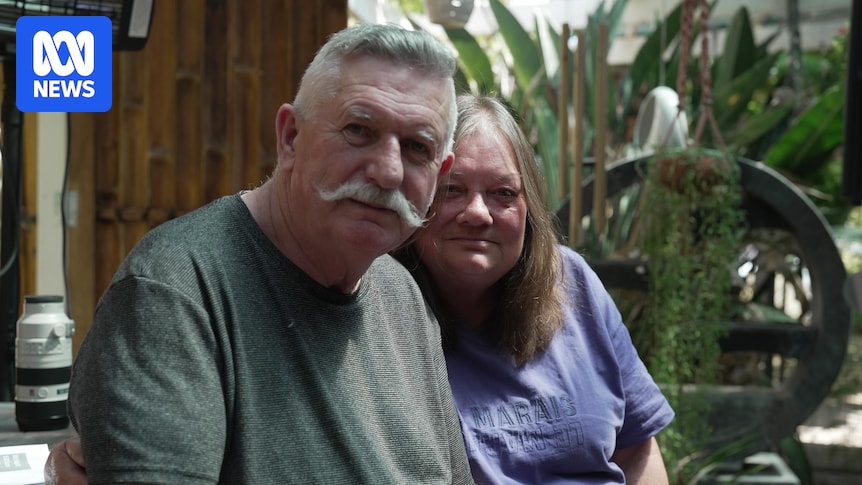
Trevor Cox was en route to the hospital with his wife, Marie, for an emergency shoulder replacement when an unexpected phone call turned their world upside down. The private hospital informed them that their insurer, Bupa, would not cover the surgery scheduled for the next day, leaving the couple facing a $30,000 bill with $16,000 needed upfront.
The Bendigo couple, loyal Bupa customers for 40 years, were devastated. Marie had shattered her shoulder in a fall, and with a shortage of specialists in their area, the private system seemed their only option. Forced to remortgage their home and borrow from friends, the Coxes found themselves questioning the value of their private health insurance.
This incident highlights a growing issue as the government permits insurers to raise premiums by an average of 4.41%, the largest increase since 2017. The health insurance sector has faced intense scrutiny, with high-profile disputes between insurers and hospitals and calls for regulatory reform.
Understanding the Exclusion Dilemma
Marie Cox’s case is emblematic of a larger problem within the health insurance industry. The couple had downgraded from a gold to a silver plus policy, a decision influenced by a Bupa employee’s suggestion in 2018. While silver policies are more affordable, they come with significant exclusions, a fact that caught the Coxes off guard.
According to Brett Heffernan from the Australian Private Hospitals Association, downgrading policies has become common amid rising living costs. However, these policies often exclude critical coverage, such as joint replacements following accidents.
“[Nearly] 70 per cent of Australians who have private hospital now have exclusions or restrictions built into their policies.”
The industry body, Private Healthcare Australia, attributes the rising cost of gold policies to their use primarily by those likely to claim, driving up prices. Insurance tiers, from basic to gold, dictate coverage, with gold policies mandated to include joint replacements.
The Complexities of Accident Coverage
When the Coxes switched to a silver plus policy, they unknowingly lost “accident inclusion” coverage, which would have provided gold-level benefits for accidents. Health insurance consultant Ed Butler notes that accident cover is often missing from policy summaries, leading to confusion.
Marie Cox’s insistence that her injury was not elective but traumatic underscores the misunderstanding surrounding insurance terms. The policy summary mentioned no waiting period for accidents, adding to the confusion.
Surgeons Witnessing the Fallout
Joint replacements, crucial to private hospitals, are increasingly performed without insurance coverage. Roger Brighton, chair of the Australian Society of Orthopaedic Surgeons, reports a rise in patients surprised by uncovered procedures.
“Lots of people are getting a surprise. They find that they are not covered for that particular procedure and it comes as a shock to them,” he said.
The Coxes’ attempts to resolve their case with Bupa and the Commonwealth Ombudsman were unsuccessful, leaving them feeling abandoned by the system. Dr. David from Private Healthcare Australia emphasizes the need for consumers to understand policy exclusions.
Calls for Industry Reform
The increasing number of patients facing unexpected medical bills has prompted calls for reform, including price benchmarks and a mandatory code of conduct. The Australian Private Hospitals Association highlights the financial burden on patients and hospitals when insurers refuse payment.
“That shortfall is a billion dollars a year for the last four years,” said Mr. Heffernan.
While some advocate for a dedicated private health insurance commission, others argue existing regulators are sufficient. Dr. David believes additional regulation would be unnecessary and costly.
For the Cox family, the ordeal continues as they navigate legal avenues for compensation and manage their financial obligations. Despite reforms, the complexity of private health insurance remains a significant barrier for many Australians.