



On the surface, the can of matcha appears genuine, bearing the famous brand name Isuzu along with other product specifications. However, Matsatsugu Nonomura, who oversees international sales for Marukyu Koyamaen, a highly acclaimed Japanese producer, knows the can he’s holding is a counterfeit. Not only is the can black instead of the traditional white, but the tea’s aroma, color, and taste are noticeably off.
“Our matcha, Isuzu, has a very beautiful color and a truly excellent aroma,” Nonomura explains. “The counterfeit Chinese matcha has poor color and aroma.” This issue highlights a growing problem in the matcha industry as demand for the Japanese green tea powder surges globally, and counterfeit products begin to flood the market.
Matcha’s Global Surge and Production Challenges
Matcha’s popularity has surged over the past few years, with Japanese farmers struggling to meet the growing demand. The process of increasing supply is not straightforward. Green tea plants take about five years to mature, and the meticulous process of making matcha involves shading the plants three weeks before harvest to enhance chlorophyll and amino acids. After harvesting, the leaves are steamed, air-dried, and ground using traditional stone mills, which produce just 40 grams per hour.
Matcha labeling is largely unregulated, leading to concerns among Japanese producers about unscrupulous manufacturers in China exploiting the demand by selling inferior tea products mislabeled as Japanese matcha. According to Nonomura, “Manufacturers work tirelessly to supply consumers with premium products. Yet these efforts are now being undermined by counterfeit issues.”
The Cultural and Economic Impact of Matcha’s Popularity
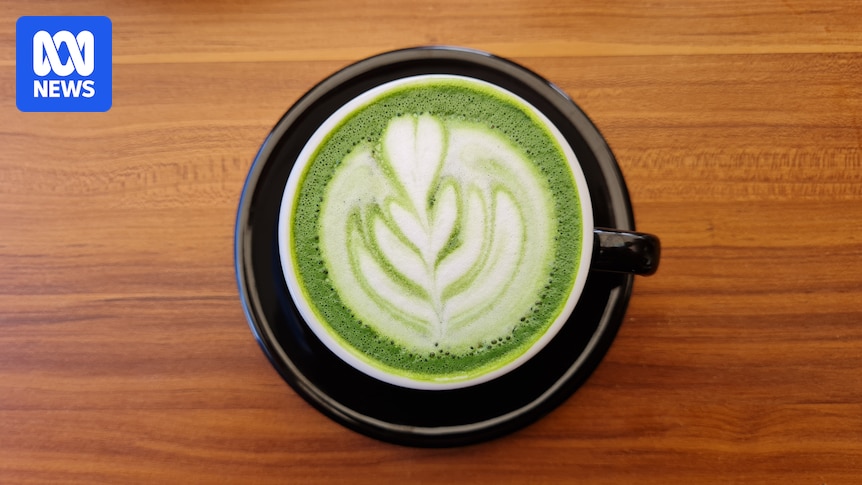
Matcha is a highly specialized green tea with origins in Japan dating back at least 400 years. Its recent explosion in popularity, fueled by social media, has been driven by its health benefits, rich umami flavor, and a gentler caffeine hit compared to coffee. Matcha is now a staple in lattes, cakes, and ice creams across cafes worldwide.
This is not the first time matcha has experienced a boom. The first shortage occurred in the 1990s when Haagen-Dazs launched its green tea flavor in Japan, followed by another surge when Starbucks introduced matcha lattes in the 2000s. The renewed popularity has been a boon for farmers like Jintaro Yamamoto. “It’s incredibly gratifying to see that Japanese culture, or these enduring historical traditions, are being recognized by people around the world,” he said.
Matcha production increased almost threefold from 2010 to 2023. Last year, Japan’s green tea exports broke records after rising 25% in a single year.
However, the intense interest has also led to shortages. “It’s deeply regrettable that we cannot meet the demands of people around the world,” Yamamoto noted. Many farmers remain uncertain if matcha’s popularity will be enduring or fleeting, with concerns that increasing matcha production might impact supplies of other beloved green teas in Japan.
Counterfeit Concerns and International Implications
In Uji, one of Japan’s most prestigious tea-growing regions, tourists form long queues outside matcha outlets, with shelves often cleared within hours. While buying directly from the source remains reliable, Nonomura has tracked the rise of misleading distributors online. Some Chinese matcha products mimic famous Japanese names and packaging or falsely claim origins from Japanese regions like Uji.
“If consumers buy something believing it to be Uji matcha and find it not nearly as delicious as expected, there is a risk they will stop buying it,” Nonomura warned. “The prospect of such counterfeits spreading not just in China but worldwide would be extremely damaging to the market.”
Japan’s agriculture department acknowledges the rise of counterfeit products alongside matcha’s popularity, yet quantifying the problem is challenging. Tackling the issue is also complex since “matcha” cannot be trademarked, though phrases like “Uji matcha” can be. Japan’s Ministry of Agriculture has made strides in registering such trademarks overseas and lobbying China to address misleading products.
“We understand there have been instances, for example, where a Chinese company unrelated to Uji applied to register the trademark ‘Uji Matcha’ in China,” said Tomoyuki Kawai from the ministry’s tea division. “But the Chinese authorities rejected it.”
Looking Ahead: The Future of Matcha
The relationship between China and Japan remains tense, particularly after Japanese Prime Minister Sanae Takaichi suggested Japan might engage in a conflict over Taiwan. While China has its own rich history of green tea production, matcha is distinctly Japanese. Nonomura asserts that if Chinese producers wish to make matcha, they should be honest about its branding. “China should compete with its own brand names if it claims to have quality products,” he said.
As matcha continues to capture global attention, the industry faces the dual challenge of meeting demand while safeguarding its authenticity. The future of matcha will depend on how effectively these issues are addressed and whether the world continues to embrace this unique aspect of Japanese culture.