


Queensland researchers have launched a groundbreaking study to explore the potential link between the gut microbiome and the alarming rise in bowel cancer among younger Australians. This initiative aims to uncover whether environmental and dietary factors are contributing to this worrying trend.
While screening programs have successfully reduced bowel cancer rates in individuals over 50, the disease remains one of Australia’s deadliest, claiming more than 5,000 lives annually. Disturbingly, the incidence of bowel cancer in Australians under 50 is on the rise, positioning the country as having the highest rates globally for this age group.
Investigating Environmental and Dietary Influences
Associate Professor Jakob Begun from Mater Research emphasized the need to examine environmental exposures, particularly dietary influences, as genetic factors have not significantly changed in recent decades. “Ultra-processed foods, high meat consumption, low fiber intake, as well as antibiotic use, are all likely influencing the microbiome in ways that increase cancer risk,” Begun stated.
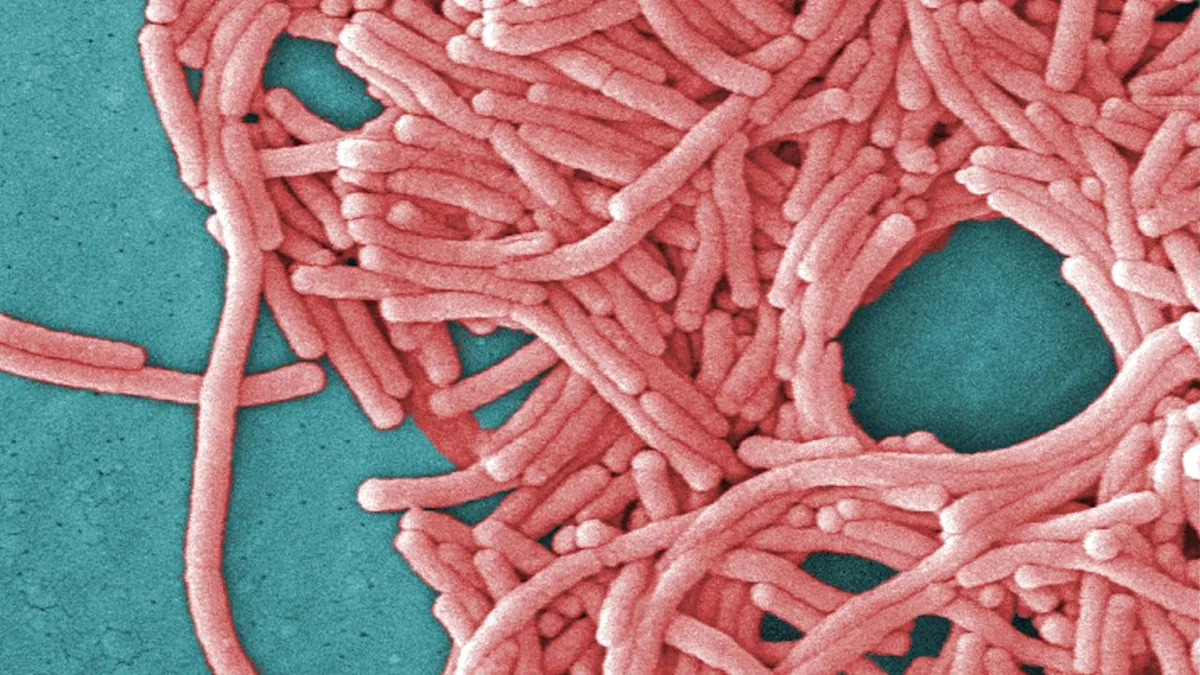
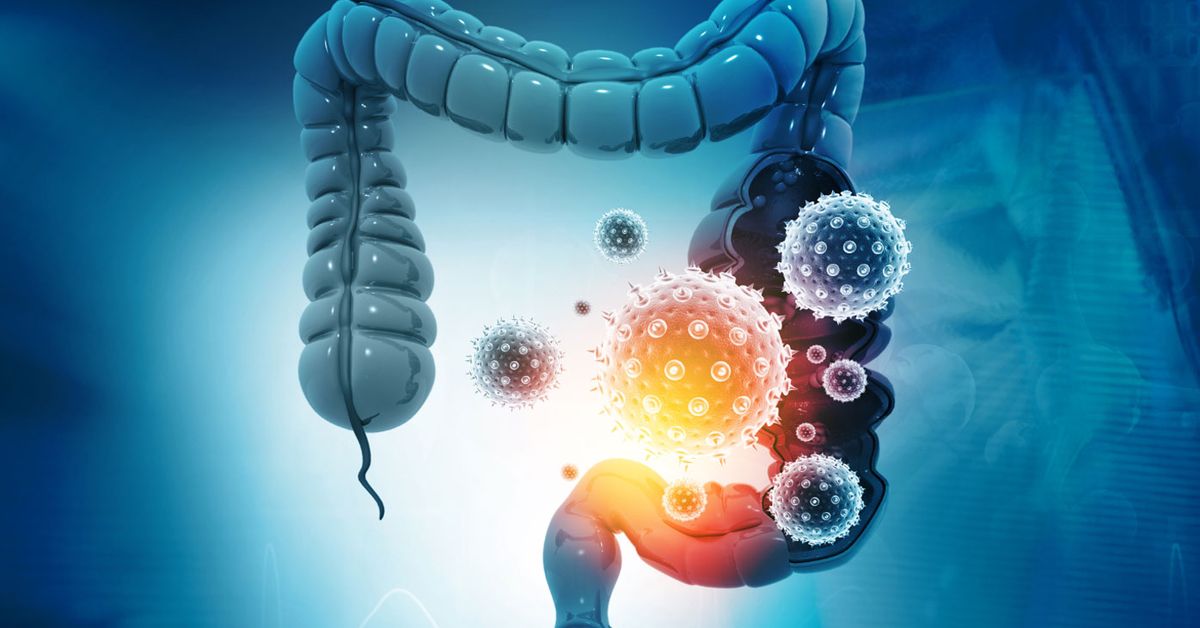
Existing research supports the notion that diet and the gut microbiome significantly impact various diseases. The new study will delve into how these factors affect the microbiome and whether specific bacteria contribute to tumor development and growth in the gut.
The Role of Food Additives
Begun’s team plans to test the impact of common food additives, such as artificial sweeteners and emulsifiers, on gut bacteria and their potential to trigger inflammation, a known precursor to cancer. “We’re treating microbiome samples from healthy people with additives to see if they become more inflammatory,” Begun explained. “The next step is testing in preclinical models to see if these additives accelerate colorectal cancer progression.”
More than 5,000 Australians die from bowel cancer each year, highlighting the critical need for innovative research and prevention strategies.
Exploring New Preventive Measures
The year-long study, funded by Mater, will involve approximately 20 volunteers. In addition to examining dietary factors, the research team is also investigating whether a novel anti-inflammatory compound, initially developed to treat inflammatory bowel disease (IBD), could potentially prevent colorectal cancer.
According to experts, understanding the intricate relationship between diet, the microbiome, and cancer risk could pave the way for new preventive measures and treatments. This research is particularly timely as it addresses a pressing public health concern with global implications.
Looking Ahead
The announcement of this study comes as part of a broader effort to tackle rising cancer rates through innovative research. By focusing on the gut microbiome, researchers hope to unlock new insights into cancer prevention and treatment, ultimately reducing the burden of this deadly disease.
As the study progresses, findings could influence dietary guidelines and public health policies, potentially leading to a decline in bowel cancer rates among younger populations. The research community and the public eagerly await the outcomes of this pivotal investigation.
Stay informed with the latest developments by following us across all platforms. Download the 9NEWS App via Apple and Google Play, and make 9News your preferred source on Google by ticking the box here. Sign up for our breaking newsletter to never miss a story.