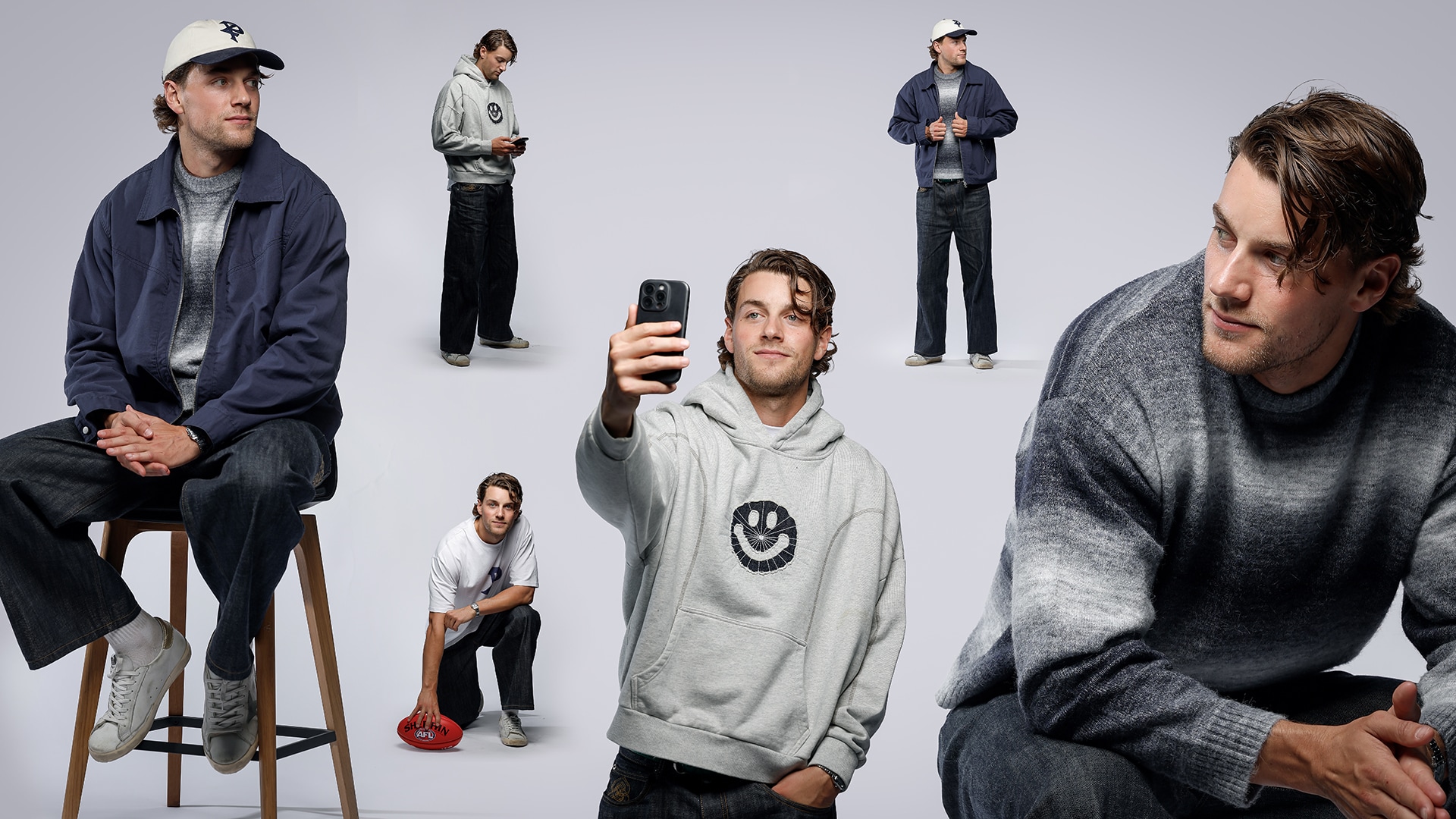
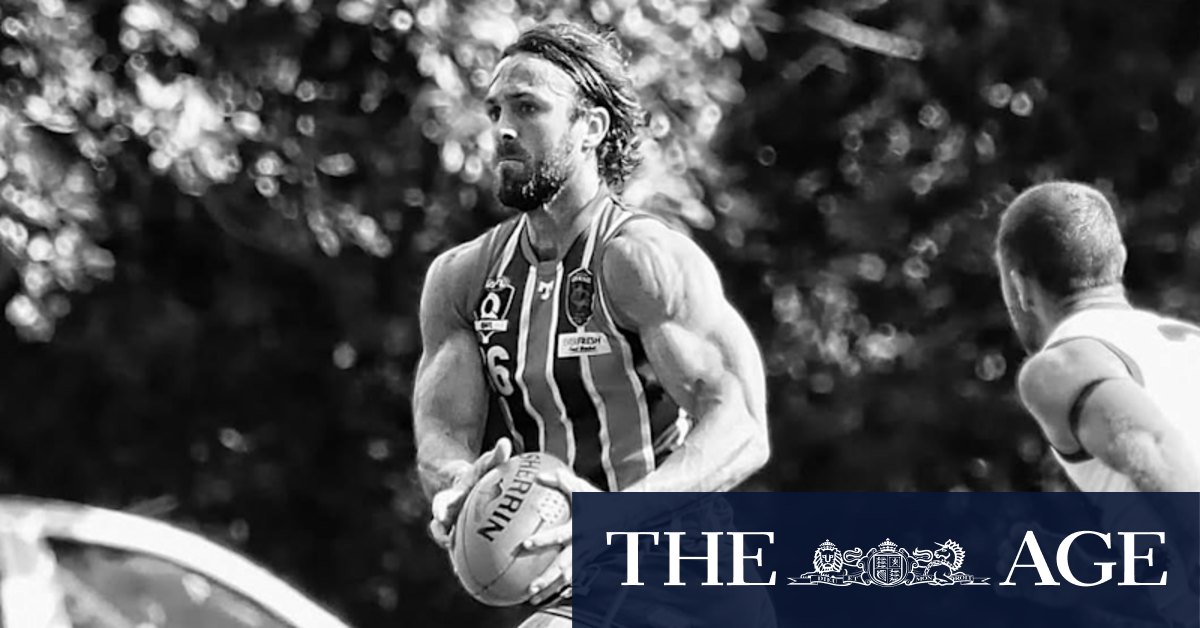
Banned former Brisbane Lions midfielder Rhys Mathieson has publicly addressed his three-year suspension from football, taking responsibility for the positive doping test that led to his ban. Speaking on the “Rip Through It” podcast with former teammate Mitch Robinson, Mathieson, 28, clarified that his actions were not intended to enhance his football performance.
Mathieson’s suspension, confirmed by the AFL in a statement on Thursday, was reduced from a potential four-year ban after he admitted guilt following an in-competition test on August 10 last year. The test, conducted while he was playing for Wilston-Grange in the Queensland Australian Football League (QAFL), detected the presence of the banned steroid Oxymetholone.
Mathieson’s Transition to Bodybuilding
After concluding his 72-game AFL career in 2023, Mathieson shifted his focus to bodybuilding, a passion he had harbored for years. “I’d been waiting eight years for this,” Mathieson revealed on the podcast. “Yes, AFL was the No.1 priority, but I always had this in the back of my head, and once I started doing it, I fell in love with it.”
He described his newfound love for the “process of timed meals, and supplements and vitamins and pre-workouts,” noting that these were elements he couldn’t indulge in during his AFL career. Mathieson emphasized that his use of supplements was for personal transformation rather than competitive advantage in football.
“I’m going to take whatever pre-workout [and] whatever supps I want. I’m going to be OK.”
The Impact of the Suspension
Mathieson’s suspension is effective until August 10, 2027, but he will be allowed to resume training with a club from June 10 of that year. Reflecting on his journey, Mathieson admitted that his bodybuilding lifestyle initially hindered his return to football. “I couldn’t run laps, my lower back was sore, I was doing soft tissues [injuries],” he said.
He expressed regret over his initial inability to meet the expectations of Wilston-Grange, the team that recruited him under coach Brent Moloney. “I felt so disappointed that I couldn’t give [my best] because of what I’d done to myself,” Mathieson explained.
Controversy and the Anti-Doping Process
The anti-doping process, according to Mathieson, was “bizarre.” He recounted the extended period before he was informed of his positive test and described how authorities approached his girlfriend and relatives, demanding his phone and questioning him based on information they had gathered.
Mathieson and Robinson speculated that a photo of his physical transformation on the AFL’s social media channels might have triggered the scrutiny he faced. “One night my girlfriend was calling me, and they’re pounding this door down, and she was scared … turns out it was ASADA,” Mathieson said, expressing his discomfort with the process.
“What they wanted back was my phone … if you don’t give your phone up, it’s [like] you’re hiding something, and if you don’t agree, it’s a potential fine – it can get up to $60,000, and then potential jail time. I’m thinking, ‘Hang on a minute, I’m not a f—ing criminal!’.”
Support and Future Prospects
The AFL Players’ Association has acknowledged Mathieson’s ban and committed to supporting him through this challenging period. As Mathieson navigates the implications of his suspension, he remains focused on his goal of transitioning from a professional football player to a professional bodybuilder.
Looking forward, Mathieson hopes to channel his passion for health and fitness into competitive bodybuilding. “I like the science behind transforming your body, and I really have a passion for it,” he stated, expressing his ambition to compete in the future.
The journey ahead for Mathieson is uncertain, but his determination to reinvent himself remains steadfast. As he continues to train and prepare for life beyond football, the lessons learned from this experience may well shape his future endeavors.