



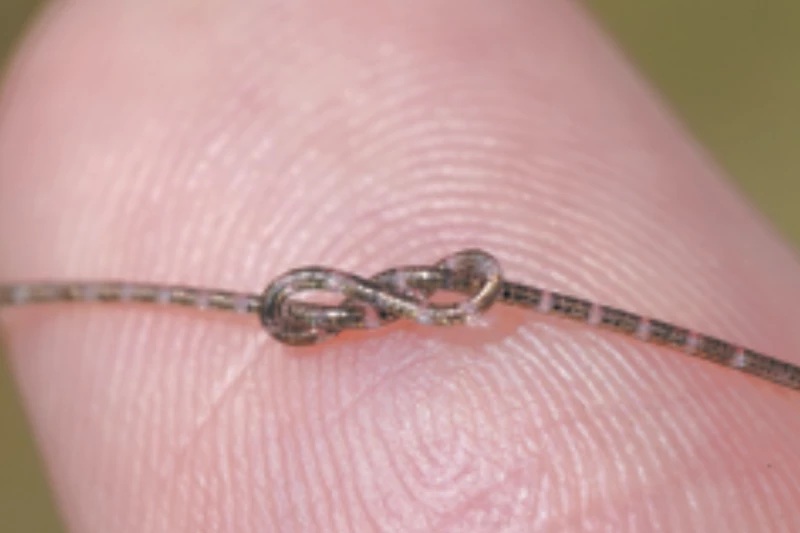
A research team at Fudan University in Shanghai has achieved a groundbreaking advancement by successfully embedding complex electronic circuits within thin, flexible fibers. These innovative ‘fibre chips’ enable fabrics to process information akin to a computer while maintaining the flexibility required for everyday clothing. This development, published in the journal Nature, marks a significant shift in how electronic components are integrated into textiles.
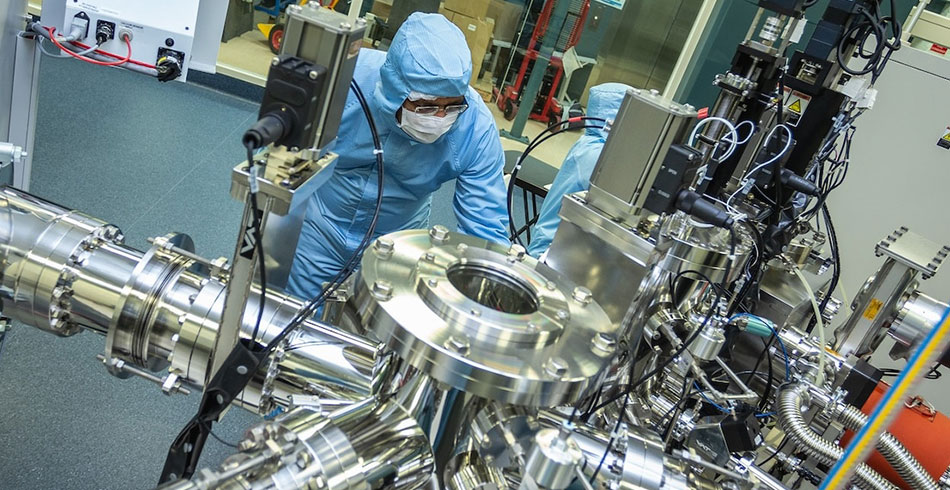
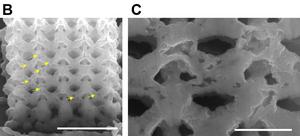
Traditionally, computer chips are constructed on flat, rigid materials like silicon, which posed challenges for integration into curved, limited-surface-area fibers. The Fudan University team overcame this by developing a multi-layered spiral architecture, allowing multiple layers of circuitry to be built within the fiber, optimizing the use of internal space.
Transformative Potential of Fibre Chips
The team’s experiments demonstrate that a fiber chip merely one millimeter long can house up to 10,000 transistors—the fundamental switches that process data in electronics. This density equates to the processing power of a chip used in heart pacemakers. Extending the fiber to a meter could potentially accommodate millions of transistors, rivaling the power of a standard desktop computer processor.
This advancement challenges the conventional methods of chip manufacturing and opens new avenues for creating smart fabrics that can function independently of bulky, rigid chips. According to Chen Peining, a researcher at Fudan University’s Institute of Fibre Materials and Devices, “Our fabrication method is highly compatible with the current tools used in the chip industry. We have already achieved a way to mass-produce these fibre chips.”
Implications for Healthcare and Beyond
The implications of this technology are particularly significant in the healthcare sector. In the realm of brain-computer interfaces (BCIs), existing systems rely on stiff electrodes connected to external computers. The fibre chip technology could facilitate a closed-loop system where sensing, data processing, and medical stimulation all occur within a single, soft fiber.
“This makes them safer and more effective in the treatment of neurological diseases,”
notes Professor Peng Huisheng, a co-author of the study, highlighting that these fibers are as thin as 50 micrometres and as flexible as brain tissue.
Moreover, the potential applications extend to virtual reality, where the technology could revolutionize tactile gloves. Current VR gloves often incorporate cumbersome hardware, detracting from their natural feel. Chen explains, “Smart tactile gloves made with fibre chips are indistinguishable from ordinary fabrics. They can sense and simulate the feel of different objects, which could be used by surgeons to ‘feel’ the hardness of tissue during a remote robotic surgery.”
Historical Context and Future Directions
For decades, scientists have been enhancing fibers with basic functions such as energy storage or touch sensitivity. However, these smart fabrics typically required connection to external chips, resulting in stiff and uncomfortable clothing. The advent of fibre chips eliminates this necessity, allowing garments to think and act autonomously.
The announcement comes as industries increasingly seek to integrate technology seamlessly into everyday life, blending functionality with comfort. This development follows a broader trend towards miniaturization and flexibility in electronics, reminiscent of the shift from bulky mainframes to personal computers in the late 20th century.
Looking Ahead
The move represents a significant milestone in the evolution of wearable technology, with potential applications spanning healthcare, virtual reality, and beyond. As the technology matures, it could pave the way for new innovations in smart textiles, enhancing human interaction with technology in unprecedented ways.
Meanwhile, the Fudan University team continues to refine their fabrication techniques, aiming to scale production and explore further applications. As industries begin to adopt this technology, the future of wearable electronics looks promising, offering a glimpse into a world where clothing not only covers but also computes.