



Sydney is trailing behind regional New South Wales in the adoption of rooftop solar panels, according to new data that highlights a significant shift towards renewable energy outside the state’s capital. In a striking revelation, nine of the top ten state electorates for solar installations are located in regional NSW, underscoring a growing trend in sustainable energy practices.
The Barwon electorate, situated in the state’s north-west and covering approximately 44 percent of NSW, has emerged as a frontrunner with 24,537 homes and businesses equipped with rooftop solar. This is closely followed by the Northern Rivers region, where Ballina boasts 22,743 installations and Lismore 22,162.
Urban vs. Regional: A Stark Contrast
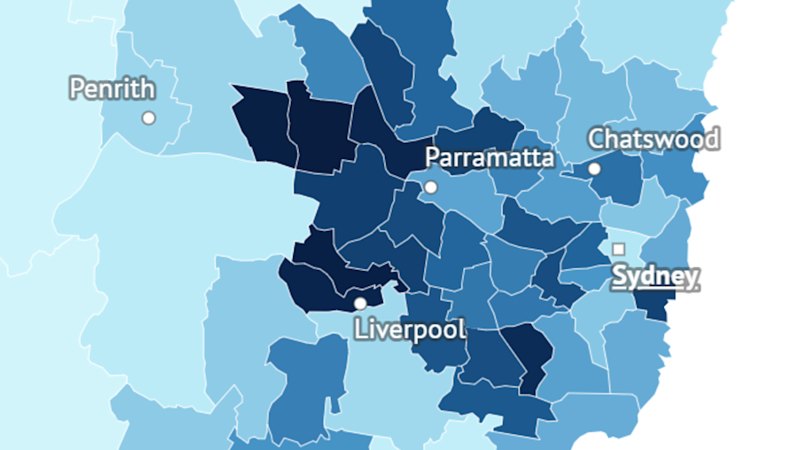
While regional areas are leading the charge, Sydney’s uptake is notably slower. Riverstone in Sydney’s north-west ranks fifth in NSW for solar adoption but claims the top spot nationally for battery installations, with about 1,500 households storing solar energy for continuous use. The next Sydney electorate on the list is Leppington, positioned at number 23, with 16,115 solar-equipped homes and businesses.
In stark contrast, the electorate of Sydney lags significantly behind, with only 906 solar installations. Other inner-city areas such as North Shore, Newtown, and Heffron also show lower adoption rates, with 2,750, 2,984, and 3,039 installations respectively.
Economic and Environmental Impacts
NSW Energy Minister Penny Sharpe highlighted the economic benefits of solar energy, noting that an average four-person household with a 6.6kW solar system could save up to $1,400 annually on power bills. Sharpe released these findings ahead of a budget estimates hearing, emphasizing the importance of renewable energy in the state’s future.
“From the far west to the Northern Rivers, regional NSW is leading the charge on rooftop solar,” Sharpe stated. “In the final quarter of last year, solar farms and rooftop solar provided 32 percent of our state’s electricity.”
NSW is at the forefront of renewable technology adoption in Australia, with more than one million homes and businesses now equipped with rooftop solar, representing a third of all homes in the state. On sunny days, rooftop solar generates more power than all of the state’s coal-fired power stations combined.
Policy Changes and Future Directions
Last year, the NSW government introduced measures to facilitate the installation of solar panels on apartment buildings. New regulations prevent strata committees from banning rooftop solar panels or other sustainability-related infrastructure, such as EV chargers, for aesthetic reasons. This policy change aims to further increase solar adoption across urban areas.
The move represents a significant step towards achieving broader sustainability goals and reducing reliance on fossil fuels. As regional areas continue to lead in solar adoption, the challenge remains for urban centers like Sydney to catch up and contribute more significantly to the state’s renewable energy output.
Looking Ahead
As NSW continues to push forward with renewable energy initiatives, the focus will likely remain on expanding solar infrastructure and encouraging adoption in urban areas. The economic and environmental benefits of solar energy are clear, and with supportive policies in place, the state is well-positioned to enhance its renewable energy capacity.
With the growing impact of climate change and the increasing demand for sustainable energy solutions, NSW’s leadership in solar adoption sets a precedent for other regions to follow. The state’s commitment to renewable energy not only promises economic savings for households but also a cleaner, more sustainable future.