
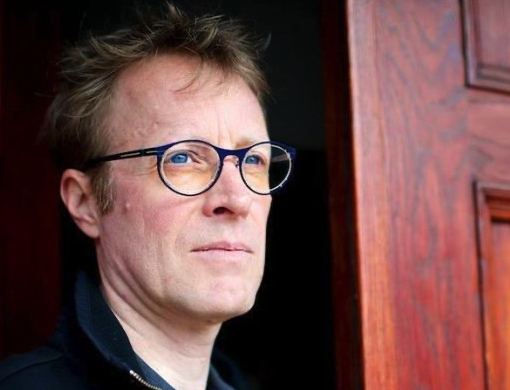
Feeling stressed after a traumatic event is normal, but according to a global expert on post-traumatic stress disorder (PTSD), there are clear indicators that suggest it might be time to seek a diagnosis. Professor Alain Brunet, director of the National PTSD Research Centre at the University of the Sunshine Coast’s Thompson Institute, emphasizes that while stress reactions are common, the critical factor is the duration of these symptoms.
“People should give themselves time to bounce back, and it’s normal to experience symptoms such as nightmares, intrusive thoughts, startling easily, difficulty concentrating, emotional withdrawal, avoidance or hypervigilance, even flashbacks,” Professor Brunet explained. “These are all normal responses, but the duration is what we need to watch. If after several weeks these symptoms are still occurring, this is when people should consider seeking further expert support.”
Understanding PTSD and Its Symptoms
Professor Brunet, a renowned figure in the field of PTSD, has developed a promising new treatment known as Reconsolidation Therapy. He suggests that a good first step for those concerned about PTSD is to use a free pre-diagnostic screening tool. This tool can help individuals determine if they meet the criteria to pursue a formal diagnosis.
“This tool uses questions about your experiences and symptoms to assess your likelihood of having PTSD, and is entirely confidential,” Professor Brunet noted. “Of course, any mental health diagnosis will still need to occur with a qualified health professional such as your GP, but this screener could be the difference between someone ignoring their symptoms, or realizing they might need help.”
The Rising Incidence of PTSD in Australia
PTSD diagnoses are reportedly on the rise in Australia, a trend exacerbated by natural disasters such as floods and bushfires, as well as other climate change-related events. “PTSD diagnoses are on the rise in Australia, exacerbated by floods, bushfires and other climate change-related weather events, and of course terrible events like what happened at Bondi,” Professor Brunet stated.
According to Professor Brunet, individuals affected by such events need to take their time to process the trauma before gradually resuming normal activities. “The great majority of people will return to normal functioning in good time, which is why it is important to ensure safety has returned, properly acknowledge what has occurred, comfort each other and check in with our loved ones, and participate in collective rituals such as memorial services and laying flowers, which are all important steps towards healing.”
Innovative Treatments and Research
The National PTSD Research Centre at UniSC’s Thompson Institute is at the forefront of world-class research, clinical trials, and community outreach. The centre offers valuable resources for individuals experiencing trauma and is currently conducting clinical trials for Reconsolidation Therapy, which is seen as a promising new treatment for PTSD.
Professor Brunet highlighted the potential of this therapy, which is exciting for clinicians because there is currently no cure for PTSD. However, this treatment can be effective in as little as six sessions. It has already been taught to clinicians dealing with the effects of war in Ukraine.
“This therapy is exciting for clinicians because there’s no current cure for PTSD, however this treatment can be effective in as little as six sessions,” Professor Brunet said.
The announcement comes as mental health professionals continue to seek effective interventions for PTSD, a condition that affects millions worldwide. As research progresses, the hope is that new treatments like Reconsolidation Therapy will offer relief to those struggling with the long-term impacts of trauma.
Meanwhile, those experiencing symptoms are encouraged to seek support and utilize available resources. The National PTSD Research Centre remains a beacon of hope, providing guidance and innovative solutions for individuals grappling with PTSD.