


Gathered around the bar after a successful bowls match, a group of retirees at the Thornbury Bowls Club expressed mixed feelings about the Reserve Bank of Australia’s (RBA) decision to increase interest rates for the first time in two years. The rate hike, announced yesterday, raises the cash rate to 3.85 percent, a level last seen in mid-2025 when inflation began to decline.
“I’m part of the lucky generation,” said Megan Mackenzie, a club member. “I own my own home. I have good superannuation funds. My fund will be improved by higher interest rates.” Her perspective highlights the divide between generations in Australia, where one-third of the population owns their homes outright, according to the Australian Institute of Health and Welfare. These homeowners stand to benefit if banks increase deposit rates on savings.
Impact on Mortgage Holders
However, the same cannot be said for the one-third of Australians with mortgages. According to Canstar, those with variable rates could see their repayments increase by $90 per month on a $600,000 loan with 25 years remaining. The RBA’s decision aims to address rising inflation, which has surged to 3.8 percent over the past year, well above expectations.
Santo Mancuso, another bowls club member, acknowledged the necessity of the rate hike. “The Reserve Bank probably had no choice because of rising inflation,” he said. “It wasn’t a surprise.”
Mortgage Stress and Household Budgets
While some commentators believe Australian households can manage a 0.25 percent rate hike, Roy Morgan data suggests it could lead to mortgage stress for 1.3 million households. Mortgage stress is typically defined as spending 30 percent or more of pre-tax income on home loan repayments.
Andrew Hawwa, a full-time sales manager and photography business owner, is among those feeling the pinch. Despite being financially prudent, he finds himself needing to cut back further. “It’s a constant juggling act,” he said, noting the impact on his family life. “It sucks when you have to say no to your son.”
Advice for Borrowers
For those with mortgages, Canstar’s director of data insights, Sally Tindall, advises checking the competitiveness of their current mortgage rates. “If you can knock just 0.25 off your current mortgage rate, you’ve protected yourself against one future hike,” she said. Tindall expects the average owner-occupier to be on a variable rate of 5.77 percent after the latest hike, urging borrowers to aim for below 5.50 percent.
Canstar believes many mortgage repayments won’t automatically increase, as some lenders did not reduce repayments when rates decreased in 2025. However, for landlords with variable home loans, repayments will rise, potentially impacting tenants.
Concerns for Renters
The Australian Council of Trade Unions (ACTU) has called on landlords not to pass on higher costs to renters. “Professional landlords should absorb these higher interest rate costs,” ACTU secretary Sally McManus stated, emphasizing the existing financial pressures on renters.
Future Economic Outlook
The RBA’s latest forecasts suggest inflation won’t return to target levels until 2027, even with two more rate hikes. RBA Governor Michele Bullock emphasized the importance of global conditions and domestic demand in shaping inflationary trends. “Based on the data we have seen, the board now thinks it will take longer for inflation to return to target,” she noted.
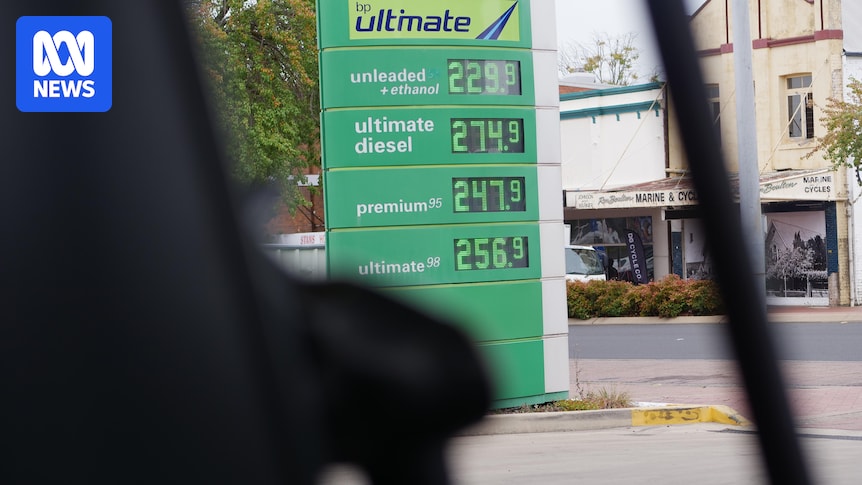
Keith Ryall, another bowls club member, supports the RBA’s decision despite concerns for his children’s mortgage repayments. “We’re looking at specials at the supermarket. We’re looking at petrol,” he said, acknowledging the broader impact of inflation.
Betashares chief economist David Bassanese described the RBA’s action as a sign of its determination to control inflation. However, he remains uncertain about further rate hikes in 2026. “Is one rate rise enough? Only time will tell,” he commented.
As the economic landscape evolves, Australians will be watching closely to see how the RBA’s decisions impact their financial realities.