




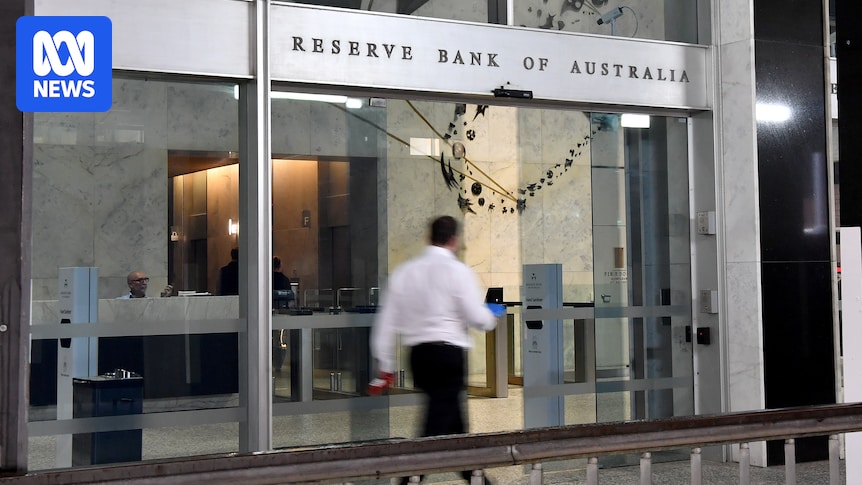
The Reserve Bank of Australia (RBA) has decided to keep interest rates unchanged at 3.6% in December, a move that aligns with market expectations. This decision follows the release of recent data indicating a rise in headline inflation to 3.8% in October, up from 3.6% in September.
In a statement issued on Tuesday, the RBA board expressed a cautious approach, opting to maintain the current rate while it assesses the persistence of inflationary pressures. The decision was unanimous among board members, marking the final interest rate decision for 2025, with the next meeting scheduled for February 2-3.
Inflation Trends and Economic Context
The announcement comes as inflationary risks appear to be tilting upwards, according to the RBA’s assessment. “The recent data suggest the risks to inflation have tilted to the upside, but it will take a little longer to assess the persistence of inflationary pressures,” the RBA stated. The board noted that some of the recent increases in underlying inflation could be attributed to temporary factors, and there remains uncertainty regarding the interpretation of the new monthly Consumer Price Index (CPI) data series.
Meanwhile, economists are weighing in on the implications of the RBA’s decision. Callam Pickering, an APAC economist at global job site Indeed, highlighted the potential risks of the RBA’s cautious stance. “A weak economy, a softer job market, and high inflation will give the RBA plenty to think about over the Christmas break,” he commented. Pickering emphasized that inflation is already above the bank’s November forecasts, while the economy and job market show signs of slowing.
Expert Opinions and Economic Challenges
Nerida Conisbee, chief economist at Ray White Group, pointed out that high housing costs are a significant contributor to sustained inflation, posing a policy challenge for the RBA. “The challenge for policymakers is that the most stubborn sources of inflation are now the least responsive to interest rate increases,” Conisbee explained. She noted that high rents, driven by a shortage of rental housing, and gradually easing construction costs due to labor and material constraints, are key factors.
“Utilities and insurance, which have been major contributors to household cost pressures, are driven largely by structural and regulatory factors, not consumer demand. This creates a policy paradox,” Conisbee added.
Federal Treasurer Jim Chalmers acknowledged the recent inflation uptick, attributing it partly to temporary factors, a trend observed globally. “While millions of Australians would have preferred more rate relief, this decision was widely anticipated by economists and markets,” Chalmers stated.
Looking Ahead: Implications and Future Considerations
The RBA’s decision to maintain the interest rate at 3.6% reflects a cautious approach amid complex economic conditions. The central bank faces a delicate balancing act between controlling inflation and supporting economic growth. High interest rates, while intended to curb demand and control inflation, also pose challenges by potentially dampening household spending and business investment.
As the RBA navigates these economic complexities, the next two months will be crucial for further assessing inflation trends and economic indicators. The upcoming February meeting will provide an opportunity for the RBA to reevaluate its stance based on updated economic data and global developments.
In the interim, the focus remains on understanding the underlying drivers of inflation and the broader economic landscape. The RBA’s cautious approach underscores the importance of carefully calibrating monetary policy to address both immediate challenges and long-term economic stability.