



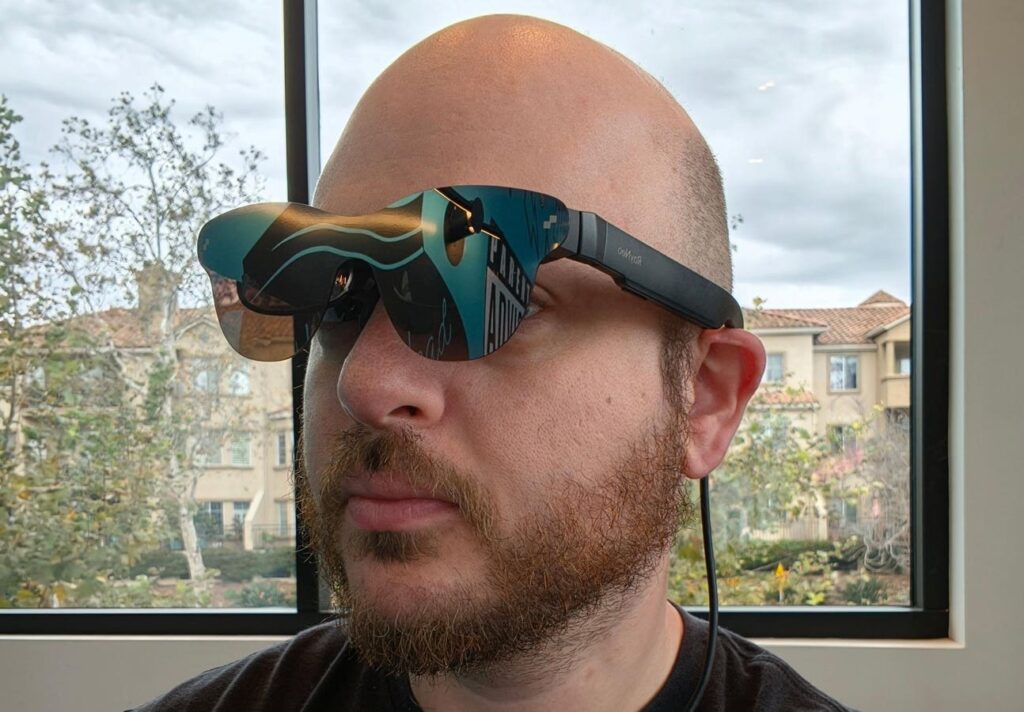
RayNeo has unveiled its latest innovation in the realm of extended reality (XR) with the introduction of the RayNeo Air 3 Pro display glasses. These glasses promise a brighter and lighter experience for users, offering a virtual display on the lens that can serve as an extended screen for various devices. With applications ranging from enhancing video entertainment to boosting productivity, the RayNeo Air 3 Pro aims to carve its niche in the growing XR market.
The announcement comes as RayNeo continues to establish itself as a leading player in XR technologies. Previously a sub-brand of TCL, RayNeo has evolved into an independent brand within the TCL family, focusing on affordable yet innovative XR solutions. The Air 3 Pro glasses are a testament to this evolution, providing a cost-effective entry point for consumers interested in XR experiences.
Technological Features and Specifications
The RayNeo Air 3 Pro glasses are equipped with Sony 1080P 120-hertz micro-OLED displays, boasting an impressive 1200-nit brightness and a 46-degree field of view. This technological setup allows users to enjoy a virtual 201-inch display experience. The glasses also feature spatial audio and a whisper-quiet mode, making them suitable for discreet use in various settings.
Compatibility is a key selling point for the RayNeo Air 3 Pro. They can connect to any device with a USB-C port capable of video output, such as smartphones, tablets, and gaming handhelds. This flexibility ensures that users can easily integrate the glasses into their existing tech ecosystems.
Practical Applications and User Experience
Using the RayNeo Air 3 Pro is straightforward. When connected to a Samsung Galaxy Fold7, the device automatically switches to DeX mode, providing a desktop-like interface that complements the glasses’ display. However, users can opt to switch to regular mode for a more traditional viewing experience. It’s worth noting that some software compatibility issues with DeX mode could require further refinement.
On the iPhone 17 Pro, the glasses deliver an enhanced viewing experience, significantly improving image and sound quality compared to the phone’s smaller screen. However, users should be mindful of the potential impact on battery life, particularly with devices that have smaller batteries.
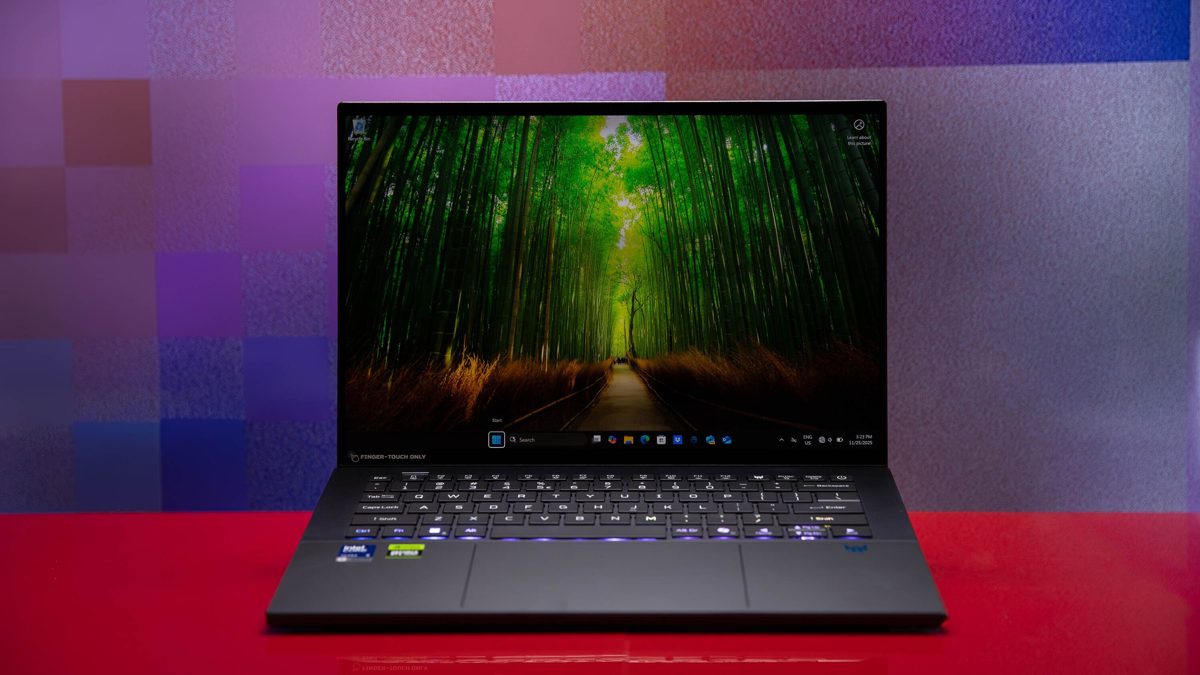
Connecting the glasses to a Windows PC, such as the HP EliteBook, allows for seamless use as a second independent display. This feature is particularly beneficial for professionals who require additional screen space for multitasking or viewing sensitive documents.
Gaming and Entertainment Potential
The RayNeo Air 3 Pro glasses also shine in the realm of gaming. When connected to the ASUS ROG Xbox Ally X gaming handheld, they provide a smooth and immersive gaming experience. The glasses’ ability to turn off the handheld’s display helps conserve power and manage thermal output, enhancing the overall gaming session.
While the Air 3 Pro lacks advanced AR capabilities, such as dynamic screen resizing or repositioning, it excels as a display enhancement tool. The glasses offer a practical solution for users seeking to augment their device experiences without the higher costs associated with more advanced AR devices.
Looking Ahead: RayNeo’s Future Innovations
RayNeo’s commitment to innovation is evident with the recent launch of the Air 4 Pro at CES 2026. This next-generation model introduces features like HDR visuals and Bang & Olufsen sound, promising an even more refined user experience. Despite the Air 3 Pro’s limitations, such as the absence of features like XREAL’s dynamic screen sizes, they remain a compelling option for budget-conscious consumers.
RayNeo’s strategic focus on affordability and accessibility reflects its long-standing experience in the XR industry. As the company continues to iterate and improve its product offerings, the Air Pro series stands as a testament to RayNeo’s dedication to democratizing XR technology.
In conclusion, the RayNeo Air 3 Pro glasses deliver substantial value at a competitive price point. They represent a significant step forward in making XR technology more accessible to a broader audience, paving the way for future advancements in the field.