



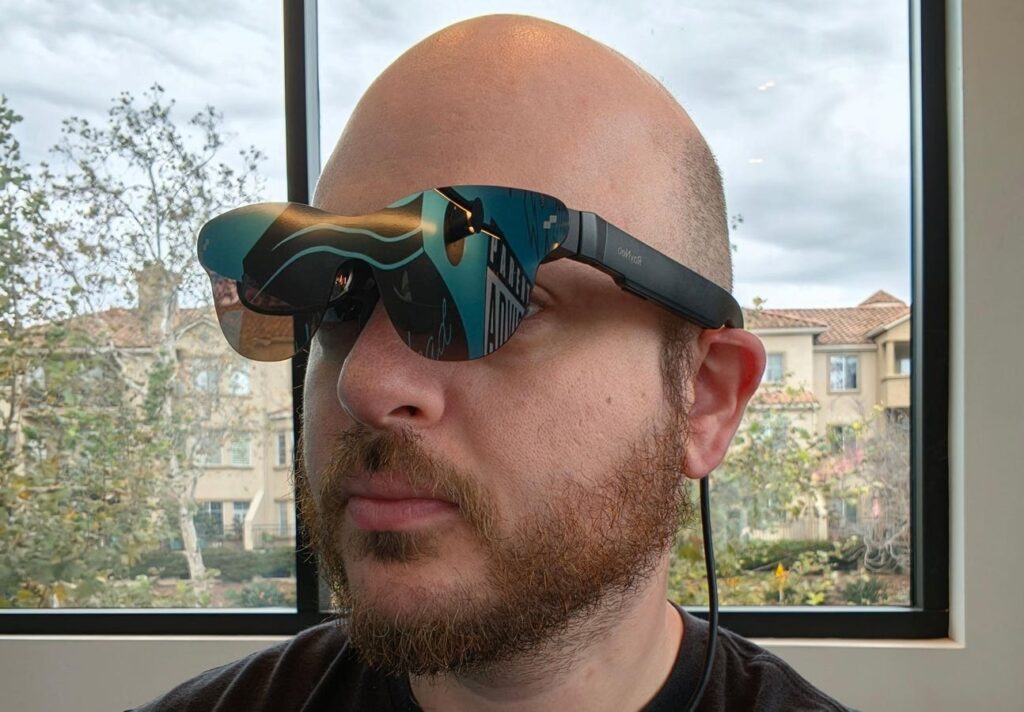
RayNeo has unveiled its latest innovation in the world of display glasses with the RayNeo Air 3 Pro, promising a brighter and lighter experience for users. These glasses, featuring Sony 1080P 120-hertz micro-OLED displays, offer a virtual 201-inch display experience, making them an attractive option for tech enthusiasts and professionals alike. The announcement comes as the XR ecosystem continues to evolve, providing more accessible and affordable entry points for consumers.
The RayNeo Air 3 Pro glasses are designed to work seamlessly with any device that has a USB-C port capable of video output, including smartphones, tablets, and gaming handhelds. This versatility, combined with features like spatial audio and a whisper-quiet mode, positions the Air 3 Pro as a compelling choice for those looking to enhance their video entertainment, gaming, or productivity experiences.
Understanding Display Glasses: A Brief Overview
Display glasses, often described as XR devices, are essentially a pair of glasses with a virtual display that appears on the lens. While they do not qualify as full AR glasses due to their three degrees of freedom (3DoF) nature, they still offer significant utility. The 3DoF limitation means they are best used in stationary settings, but they provide a cost-effective way to enhance digital experiences.
RayNeo, previously a sub-brand of TCL, has established itself as a key player in the XR space. The company’s journey from a sub-brand to a standalone entity within the TCL family highlights its commitment to advancing XR technologies. The RayNeo Air 3 Pro, while not as advanced as some AR glasses, represents a significant step in making XR technology more accessible to the general public.
Technical Specifications and User Experience
The RayNeo Air 3 Pro glasses boast an impressive 1200-nit brightness and a 46-degree field of view, enhancing the user’s viewing experience. The glasses’ compatibility with a wide range of devices further adds to their appeal. When tested with a Samsung Galaxy Fold7, the glasses triggered the phone to enter DeX mode, offering a desktop-like interface. However, users may need to navigate some software compatibility issues, particularly with audio output in DeX mode.
Using the glasses with an iPhone 17 Pro was straightforward, with the display activating almost instantaneously. The enhanced image and sound quality provided a significant upgrade over the phone’s small screen. However, users should be mindful of the potential impact on their device’s battery life during prolonged use.
Integration with PCs and Gaming Devices
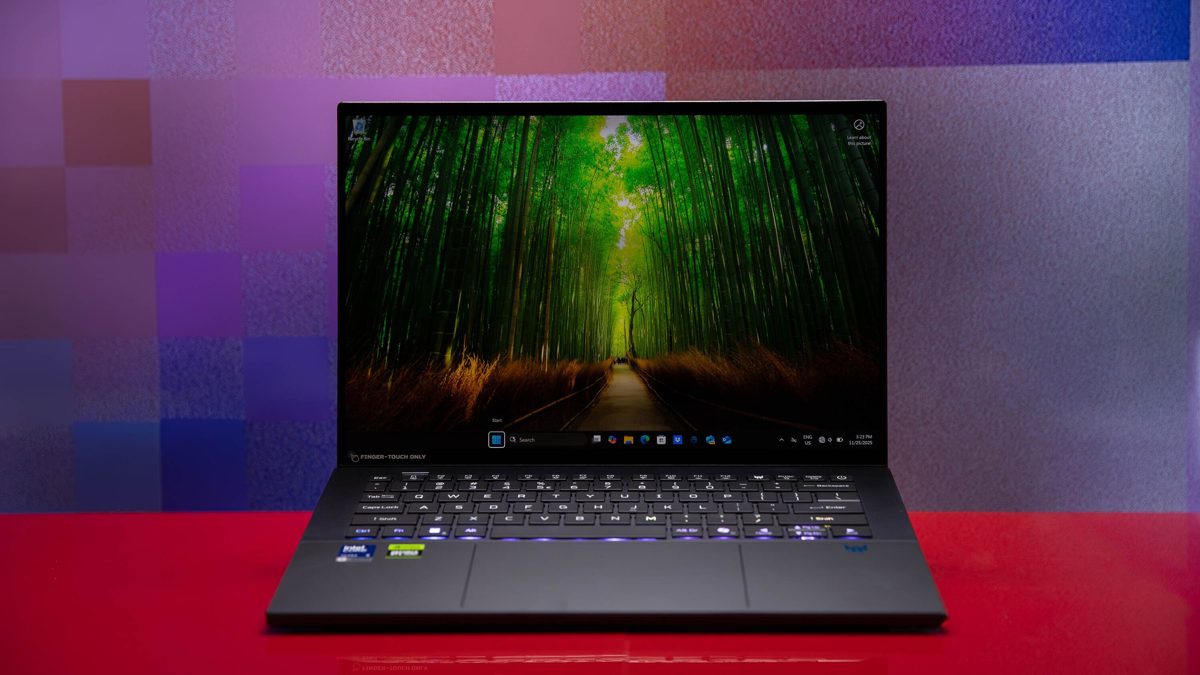
Connecting the RayNeo Air 3 Pro to a Windows PC, such as an HP EliteBook, was seamless, allowing the glasses to function as a second independent display. This feature is particularly useful for professionals who require additional screen space or need to view sensitive documents privately.
In the gaming realm, the glasses performed well when connected to the ASUS ROG Xbox Ally X gaming handheld. Despite initial connectivity issues with one of the USB-C ports, switching to the high-bandwidth port resolved the problem, providing a smooth gaming experience with excellent image quality.
Looking Ahead: The Future of RayNeo and XR Technology
At a price point of $299, the RayNeo Air 3 Pro offers good value for those seeking to enhance their digital experiences without investing in more expensive AR glasses. While they lack advanced features like dynamic screen sizes or the ability to reposition displays, they serve their purpose well as display glasses.
RayNeo has already announced the next-generation Air 4 Pro at CES 2026, which will include improvements such as HDR visuals and Bang & Olufsen sound. These advancements reflect RayNeo’s ongoing commitment to innovation and its ability to iterate and improve its products.
“The RayNeo Air 3 Pro glasses are extremely affordable and deliver exactly what is expected at their price point,” said a tech analyst at CES 2026.
As the XR industry continues to grow, devices like the RayNeo Air 3 Pro play a crucial role in making the technology more accessible to a wider audience. With future iterations promising even more features and capabilities, RayNeo is well-positioned to remain a leader in the field.