




Acoustic data captured by local scientists has confirmed the presence of an elusive marine mammal in waters north of the Sunshine Coast. Researchers from the University of the Sunshine Coast (UniSC) have published groundbreaking findings that reveal the presence of the elusive dwarf minke whale in the southern Great Barrier Reef.
Lead author and UniSC marine biologist Isabel Taylor expressed surprise at the findings, as this species is typically found further north. The data provides crucial baseline information for a region where traditional surveys are challenging. “The southern Great Barrier Reef is a migration highway, yet we’ve had very limited long-term monitoring to understand which species are there and when,” Ms. Taylor explained.
Innovative Acoustic Monitoring Yields New Insights
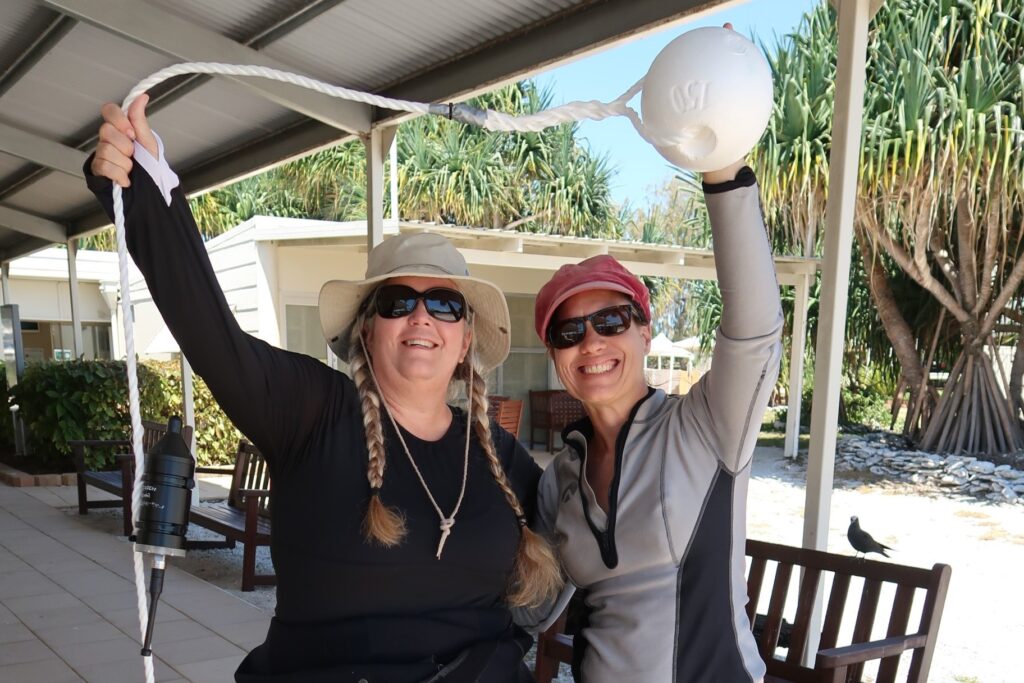
Over a span of two years, scientists deployed underwater listening devices near Lady Elliot Island, the southernmost reef in the Great Barrier Reef Marine Park. This innovative approach allowed continuous monitoring of marine mammal activity without the need for boats or favorable weather conditions. The study, published in Marine Mammal Science, recorded over 1600 hours of underwater sound.
The devices detected humpback whales, dwarf minke whales, and several dolphin species, each utilizing the area in different seasons and times of day.
Humpback whales dominated recordings between June and October, aligning with their migration and breeding activity, while dwarf minke whale calls were concentrated from May to August and were closely associated with ocean productivity.
Implications for Marine Conservation
The study also revealed that dolphin presence was consistent year-round, particularly during daylight and twilight hours, suggesting the island’s significance in their daily movement and feeding behavior. Additionally, whale vocal activity declined when boats were present or when wind noise increased, underscoring the sensitivity of these animals to sound.
“Sound is the primary way whales and dolphins communicate and navigate,” Ms. Taylor noted. “Even relatively low levels of vessel noise can change how they use a habitat. Understanding this helps managers protect key migration corridors as tourism and ocean noise continue to grow.”
Future Research and Technological Advances
UniSC senior researcher Dr. Dominique Potvin, who supervised the project, highlighted the potential of passive acoustic monitoring as a powerful, cost-effective tool to address knowledge gaps in Australia’s offshore ecosystems. “This technology means we can monitor biodiversity at scale and detect changes over time — a critical capability as the Great Barrier Reef faces increasing environmental pressures,” Dr. Potvin said.
Looking ahead, Dr. Potvin suggested deploying the technology in deeper waters on the eastern side of Lady Elliot Island to assess the presence of other species, including blue, fin, and Bryde’s whales, in the southern part of the reef. “There’s more research to do,” she added.
Collaborative Efforts and Funding
This research was made possible through funding from the Reef Trust Partnership between the Australian Government’s Reef Trust and the Great Barrier Reef Foundation, the Queensland Government, Lendlease, and the Fitzgerald Family Foundation. The collaborative effort underscores the importance of partnerships in advancing scientific understanding and conservation efforts.
As the Great Barrier Reef continues to face environmental challenges, studies like this highlight the need for innovative approaches to marine conservation, ensuring the protection of vital ecosystems and the diverse species that inhabit them.