

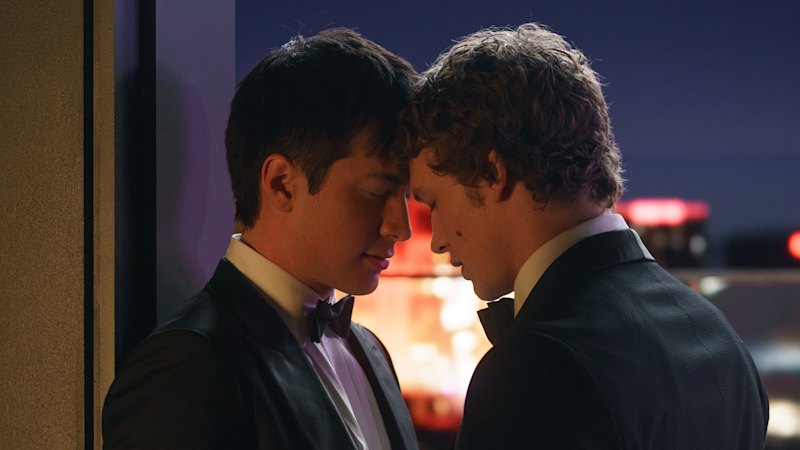
Romance fiction has experienced a significant surge in popularity, fueled by vibrant online communities on platforms like BookTok and Instagram. Among the many subgenres emerging from this trend, sports romance, and more specifically, queer sports romance, has captured the imagination of readers. At the forefront of this movement is the adaptation of Rachel Reid’s bestselling book, Heated Rivalry, into a television series now available on HBO Max.
The series, initially slated for release exclusively on Canada’s Crave streaming service, faced a wave of fan discontent. Young women, the primary audience for this genre, expressed their frustration online, leading to HBO Max acquiring the rights at the last minute. This development highlights the growing demand for diverse storytelling in mainstream media.
The Story Behind “Heated Rivalry”
Heated Rivalry is set in the high-stakes world of Major League ice hockey, a fictionalized version of the National Hockey League. The narrative follows the secret love affair between two closeted gay players: Shane Hollander, portrayed by Hudson Williams, and Ilya Rozanov, played by Texan actor Connor Storrie. The series chronicles their journey from rivals to lovers, set against the backdrop of the uber-macho sport of ice hockey.
Their story begins in 2008, before they reach the big leagues, and spans eight years of clandestine romance. Despite their public rivalry, characterized by pre-match banter reminiscent of WWF-style showdowns, their private lives tell a different story. The series does not shy away from depicting their relationship’s intensity, with graphic scenes that push the boundaries of traditional romance narratives.
Breaking New Ground in Romance Narratives
The adaptation of Heated Rivalry marks a significant moment for queer representation in media. The enemies-to-lovers trope, a staple in romance fiction, finds a fresh perspective in the context of professional sports. The chemistry between the lead actors is palpable, adding authenticity to their on-screen relationship.
While the series includes explicit scenes, it balances them with moments of genuine affection, portraying a nuanced depiction of love. Shane’s character, an Asian-Canadian, grapples with his sexuality and the pressures from his hockey manager, who is also his mother. Meanwhile, Ilya faces familial expectations in Russia, where LGBTQ+ acceptance remains a challenge.
Industry Impact and Future Prospects
The success of Heated Rivalry on HBO Max could pave the way for more adaptations of queer romance novels, particularly those set in sports. The series’ ability to attract a diverse audience demonstrates the appetite for stories that explore complex identities and relationships.
As the entertainment industry continues to evolve, the inclusion of diverse narratives is becoming increasingly important. The adaptation of Heated Rivalry not only entertains but also challenges traditional norms, offering viewers a fresh perspective on love and rivalry.
Looking ahead, the series’ popularity may inspire other streaming platforms to invest in similar projects, broadening the scope of romance fiction on screen. For fans of the genre, this represents a promising step towards more inclusive storytelling in mainstream media.