

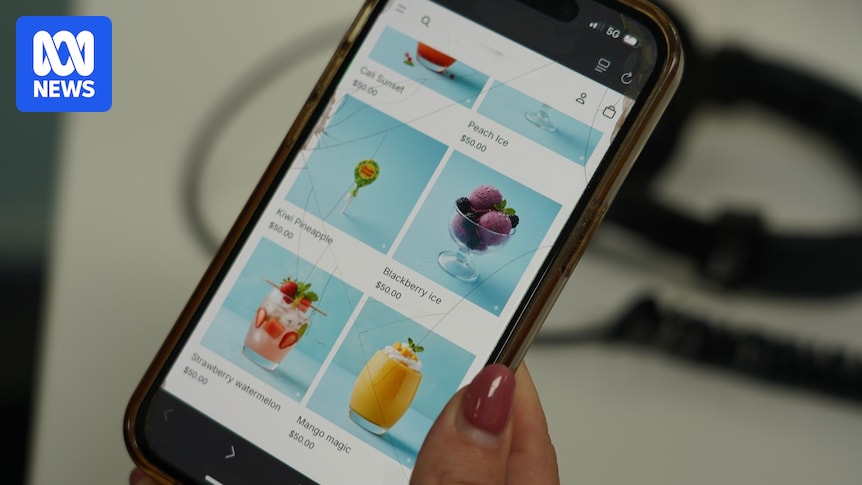
Less than two weeks after a series of raids on tobacconists suspected of selling illegal vapes across Queensland, at least one supplier has swiftly transitioned its operations online. This move comes amid a stringent crackdown by authorities aiming to curb the illegal sale of tobacco and nicotine products in the state.
Paper flyers, conspicuously lacking any business name, have been taped to electricity poles near licensed venues on the Gold Coast. These flyers advertise same-day delivery of illegal vapes, tobacco, and nicotine pouches. A QR code on the flyer directs users to a website offering a variety of vape flavors, such as “strawberry kiwi” and “blackberry ice.”
The same QR code also links to an encrypted instant messaging app and a chat room with over 300 members. Within this chat room, the supplier actively engages with customers, promising delivery of orders within 24 hours. Prices for vapes range from $20 to $60, with an additional $20 fee for same-day delivery.
Queensland’s Tobacco Crackdown
New legislation passed in Queensland Parliament last month empowers the state’s health department and police to shut down tobacconists selling illegal cigarettes and vapes for up to three months. Previously, health officers could only close stores for a maximum of 72 hours.
It is now a criminal offense for commercial landlords to knowingly allow tenants to sell illegal tobacco and nicotine products. A spokesperson from Queensland Health emphasized the state’s commitment to enforcing these laws, stating that they have the “toughest laws in the nation” and are actively monitoring various methods of illegal supply.
“All substantiated breaches will be subject to strong enforcement action, including significant fines, product seizures, court proceedings, and potentially custodial sentences,” the spokesperson said.
The Therapeutic Goods Administration’s (TGA) framework bans the advertising of vapes, covering all social media platforms. Under this framework, the sale of non-therapeutic and disposable vapes is prohibited. Health department officers are now authorized to operate undercover in stores suspected of selling illegal products.
Health Risks Associated with Vaping
Vaping poses significant health risks, with the federal health department warning of its highly addictive nature. Potential health issues include irritation of the mouth and airways, persistent coughing, burns, poisoning or seizures from inhaling e-liquid, nicotine dependence, chest pain, respiratory problems, and permanent lung damage.
Moreover, vaping can adversely affect mental health, particularly for those attempting to quit nicotine, and it poses severe risks to the developing adolescent brain. Vapes often contain nicotine but can also include harmful substances such as acetone, heavy metals, formaldehyde, polyester compounds, and anti-freeze, which is used in car coolant.
Implications and Future Outlook
The rapid shift of vape suppliers to online platforms highlights the challenges authorities face in enforcing new regulations. As suppliers adapt to the crackdown by moving operations online, the effectiveness of the current legal framework will be tested. The ability of law enforcement to monitor and regulate these digital transactions will be crucial in the ongoing battle against illegal vape sales.
Experts suggest that further collaboration between state authorities, technology companies, and community organizations will be necessary to combat the illicit vape market effectively. The situation in Queensland may serve as a case study for other regions grappling with similar issues, potentially influencing broader national policies on tobacco and nicotine regulation.
As the crackdown continues, Queensland’s approach could set a precedent for other Australian states considering similar legislation. The outcome of these efforts will likely have significant implications for public health and the regulation of tobacco products nationwide.