



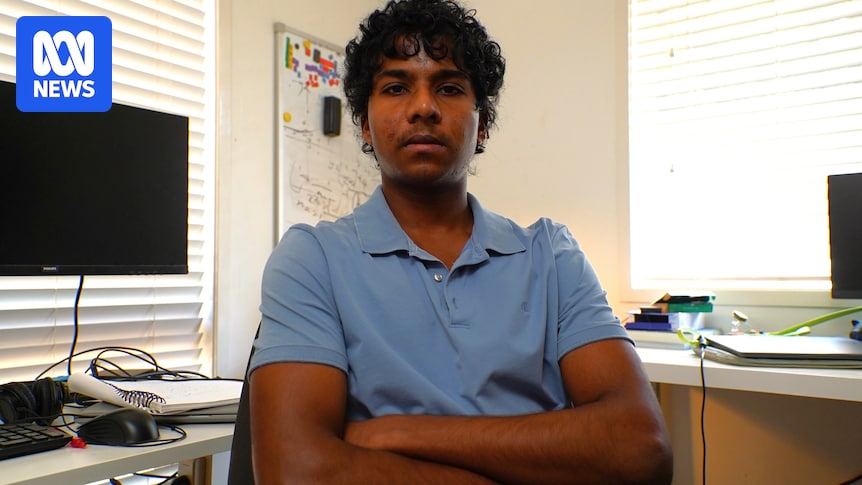
Computer coding first captured Neth Dharmasiri’s imagination at the tender age of 11 when his father handed him a beginner’s guide to Python, one of the world’s most popular coding languages. Now 17, Neth reflects on his journey, stating, “Here I am, six years later still coding. It is difficult … [but] that appeals to me because I have a curiosity within myself to fix problems.”
A year ago, Neth embarked on his most ambitious project yet. Inspired by Microsoft founder Bill Gates, he set himself the challenge of creating his own basic programming language. “I’ve been developing it for the past year and doing a lot of user interface changes on it, but it’s a fully functioning programming language,” Neth explained.
Education experts emphasize that coding is becoming as crucial for students as numeracy and literacy. However, Neth, who migrated to Australia from Sri Lanka, is acutely aware that learning this foundational computer science skill is a luxury not available to all. “I can look around and there are tonnes of monitors around me, whereas [in rural Sri Lanka] a lot of them come from farming backgrounds. They don’t have a lot of resources, definitely don’t have a lot of technology,” he noted.
A Eureka Moment in Sri Lanka
During a visit to his parents’ homeland of Sri Lanka last year, Neth experienced a eureka moment. While in a small rural village, he discovered a computer lab where children were watching YouTube and engaging with tutorials. “I just felt the technology was really empowering them, and I thought that everyone should have access to this education,” he said.
Upon returning to Australia, Neth and his friend Chinmay Lal, also 17, began developing ‘Thadus,’ a digital learning tool designed to teach coding to beginners. Fast forward to 2026, and the app, designed to function offline in areas with unreliable internet, has been released to the market. It offers three courses aimed at providing users with a basic understanding of coding concepts and their applications in real-world industries.
“Course three is data science and I think that’s the most important course,” Neth said. “Considering data science is a really important skill because of the AI boom at the moment.”
Collaborating with Philanthropy
The young entrepreneurs have teamed up with renowned Sri Lankan philanthropist Kushil Gunasekera. Known for his efforts to bridge the urban-rural divide in Sri Lanka, Gunasekera has received international recognition, including a 2018 humanitarian award from the British government on behalf of Queen Elizabeth II. He expressed enthusiasm for the app’s potential, stating, “The fact [the boys] want to share the app at this very early stage gives them that special edge and I feel when you help those who cannot repay the favour, it’s a true hallmark of their character.”
Gunasekera plans to distribute the app through 22 computer labs established by his Foundation of Goodness charity, which are spread across rural Sri Lanka. “Most of [the students] don’t have computers at home … it’s about 18 per cent in the real estate areas, in the Up Country it’s about 5pc perhaps,” he explained.
While Thadus CodeLabs, Neth’s start-up, is a for-profit venture, the app is free for not-for-profits and charities, underscoring the founders’ commitment to social impact.
Bridging the Digital Divide
University of Southern Queensland science education lecturer Dr. Louise Puslednik highlighted the significance of tools like ‘Thadus’ in addressing the global “digital divide.” “Around a quarter of Australia’s population don’t have great access to digital products and services,” she said. “What that means for students in those regional areas is that they’re not able to easily engage in things such as coding programs and develop those digital competency skills.”
Dr. Puslednik praised the creation of Thadus for showcasing the critical thinking benefits of coding, emphasizing its role in developing problem-solving skills. Neth believes that with the right mindset, anyone can learn to code. “I’m not gifted, I’m not particularly intelligent,” he said. “There’s so many resources at our disposal, it’s just a matter of making sure everyone has access to them.”
The launch of Thadus represents a significant step in making coding education accessible to underserved communities worldwide. As the app continues to gain traction, it could serve as a model for similar initiatives aiming to bridge the digital divide and empower the next generation of tech-savvy problem solvers.