



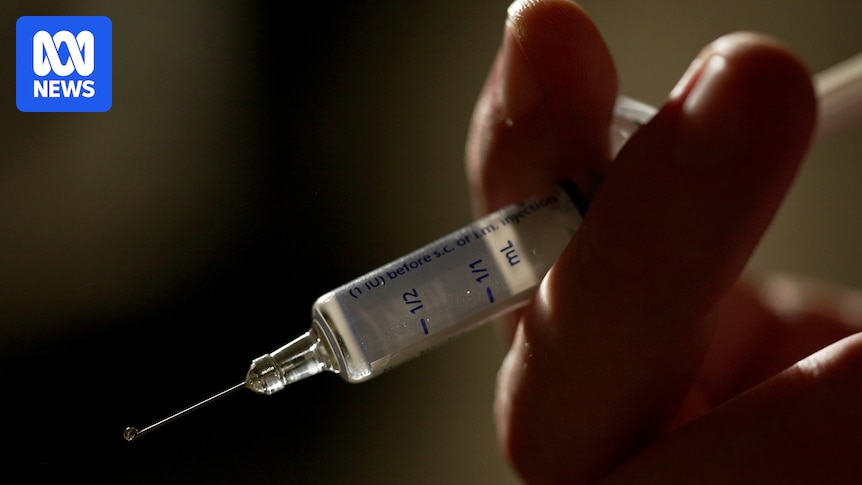
Hundreds of former prisoners in Queensland may have been exposed to HIV and hepatitis C after an infected inmate reportedly shared injecting equipment while incarcerated. Approximately 300 individuals, now living in the community, are being advised to seek testing, according to a communique from Queensland Health obtained by ABC News.
The communique, dated January 16, revealed that the infected individual was unaware of carrying both HIV and hepatitis C and had a history of sharing needles with fellow inmates. Efforts to identify specific injecting partners through contact tracing have been unsuccessful.
“The Health Contact Centre (HCC) are assisting with contacting approximately 300 individuals who are now in the community and may have potentially been exposed,” the communique stated. These individuals are encouraged to undergo testing at their general practitioner or sexual health clinic.
Health Response and Ongoing Efforts
Queensland Health has confirmed that 295 people potentially exposed to these viruses were contacted. The exposure occurred between January and June 2025 at an adult male correctional center in Queensland. The department emphasized that while the community risk remains low, necessary precautions are being taken.
“Individuals who were potentially exposed and are still in a Queensland correctional centre are being followed up by prisoner health services to assess their exposure risk and to offer testing,” Queensland Health stated. Correctional staff were deemed not at risk.
Calls for Reform in Prison Health Policies
This incident has reignited debates over the implementation of harm reduction strategies in prisons, such as needle and syringe exchange programs and condom distribution. Currently, Queensland is the only Australian state that prohibits condoms in jails, and no Australian prison has a needle exchange program.
Hepatitis Queensland CEO Anna Hawkes supported the contact tracing efforts, stating, “They are doing what we would expect to be done. It is what the public health system is designed to do.” She also advocated for preventive measures in correctional facilities, acknowledging that the decision rests with government and correctional authorities.
Queensland Corrective Services has cited “operational reasons” for not allowing condoms in prisons, aiming to maintain the safety and security of facilities. However, sexual health expert Dr. Wendell Rosevear criticized the policy, arguing, “We’re actually denying people access to good health and that’s … reprehensible.”
Expert Opinions and Statistical Insights
Dr. Rosevear, who has long advocated for condoms in prisons, warned that without proactive measures, prisons could become “incubators” of disease, impacting broader society. He noted cases of prisoners contracting and spreading infections like warts to their families.
According to epidemiologist Skye McGregor from the Kirby Institute in Sydney, Australia recorded 757 new HIV cases in 2024, with an estimated 31,000 Australians living with the virus. In the same year, 7,281 new hepatitis C notifications were reported among approximately 68,000 Australians with the condition.
Dr. McGregor highlighted the importance of comprehensive testing programs in prisons, noting an 8% prevalence of active hepatitis C infection in 2022, according to the Kirby Institute’s hepatitis prisons network.
Union Stance and Potential Consequences
The Together union, representing Queensland correctional employees, did not respond to requests for comment on implementing needle exchange programs. However, the Community and Public Sector Union, representing prison officers in other states, expressed strong opposition on safety grounds.
Federal secretary Stewart Little of the union predicted that introducing such programs in Australian jails could lead to significant industrial action.
As the situation unfolds, Queensland Health continues its efforts to mitigate the risk and ensure the safety of both former prisoners and the broader community. The incident underscores the ongoing challenges and debates surrounding public health policies in correctional settings.