

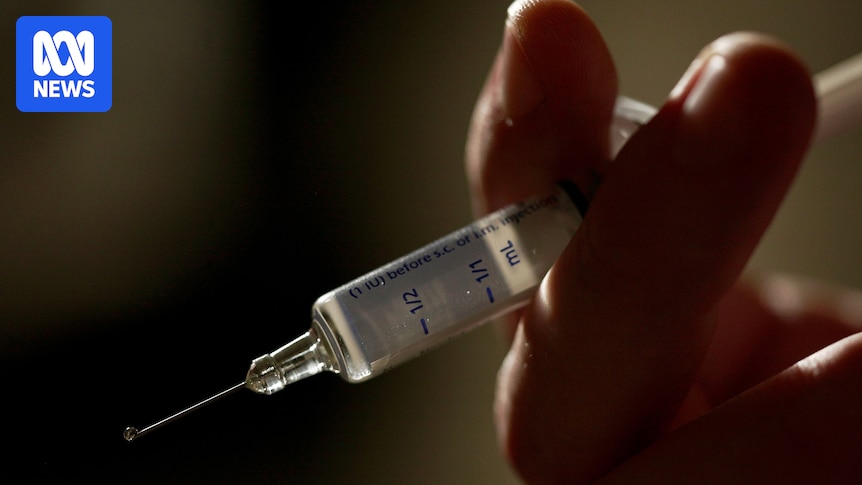
In a significant health alert, hundreds of former prisoners in Queensland, Australia, may have been exposed to HIV and hepatitis C due to shared injecting equipment in prison. This revelation has prompted Queensland Health to advise approximately 300 individuals, now residing in the community, to undergo urgent testing. The exposure risk stems from an infected inmate who unknowingly carried both viruses and shared needles with others.
A communique from Queensland Health, obtained by ABC News, disclosed that contact tracing efforts have been challenging as specific injecting partners could not be identified. The document, dated January 16, emphasized the need for comprehensive testing at sexual health services.
Health Response and Ongoing Efforts
The Health Contact Centre (HCC) is actively reaching out to those potentially exposed, advising them to seek testing from general practitioners or sexual health clinics. According to a statement from Queensland Health, the department has already contacted 295 individuals who were at risk during their time in a Queensland correctional facility between January and June 2025.
“This work is ongoing,” the statement affirmed. “Individuals still within the correctional system are being assessed by prisoner health services, while those released are being advised of the risk and recommended for testing. Although the community risk is considered low, necessary precautions are being taken.”
Calls for Reform in Prison Health Policies
This incident has reignited discussions around the implementation of harm reduction strategies in prisons, such as condom distribution and needle exchange programs. Currently, Queensland is the only Australian state that prohibits condoms in jails, and no Australian prison has a needle and syringe exchange program.
Anna Hawkes, CEO of Hepatitis Queensland, supports the health department’s proactive contact tracing efforts. “They are doing what we would expect to be done,” she stated, emphasizing the importance of preventive measures in correctional facilities. “We would really like to see harm minimisation in correctional facilities,” she added, acknowledging that such decisions rest with government and correctional authorities.
Expert Opinions on Health Risks
Dr. Wendell Rosevear, a seasoned sexual health doctor with decades of prison experience, criticized the lack of preventive health measures. “We’re actually denying people access to good health and that’s … reprehensible,” he said. Dr. Rosevear has been advocating for condom availability in prisons since the early 1990s, warning that untreated health issues in prisons can have broader societal impacts.
“If prisons aren’t dealt with proactively, they become incubators and the incubators then impact on the whole society,” Dr. Rosevear explained.
Statistical Context and National Implications
Epidemiologist Skye McGregor from the Kirby Institute highlighted the broader context of blood-borne viruses in Australia. In 2024, the country recorded 757 new HIV cases and 7,281 new hepatitis C notifications. An estimated 31,000 Australians live with HIV, while about 68,000 have hepatitis C.
“The prevalence rate of HIV in Australian prisoners is estimated to be between 0.2-0.6 per cent,” Dr. McGregor noted. “For hepatitis C, the latest data found an 8 per cent prevalence of active infection in 2022.”
Despite the clear need for reform, the Together union, representing Queensland correctional employees, has not commented on the potential introduction of needle exchange programs. However, the Community and Public Sector Union, representing prison officers in other states, opposes such measures due to safety concerns. Federal secretary Stewart Little warned that implementing these programs could lead to significant industrial action.
Looking Forward: Balancing Health and Safety
The situation underscores the delicate balance between maintaining security in correctional facilities and ensuring the health of inmates. As Queensland Health continues its efforts to mitigate the current risk, the broader debate on prison health policies is likely to intensify. The outcome of these discussions could shape the future of health care in Australian prisons, potentially influencing policy at a national level.
As this story develops, the focus remains on ensuring the health and safety of both current inmates and the broader community. The need for comprehensive preventive measures in prisons is evident, and the decisions made in the coming months could have lasting implications for public health in Australia.