


Senior Queensland police officers have acknowledged that controversial comments made by a detective following the tragic murders of Hannah Clarke and her children were part of a police “media strategy” that backfired, according to documents obtained by Guardian Australia. The revelation comes as the police force faces ongoing criticism over its handling of the case.
In February 2020, Det Insp Mark Thompson told a press conference that police were keeping an “open mind” about the case, in which Clarke’s estranged husband, Rowan Baxter, set the family car alight, killing Clarke, their three children, and himself. Thompson’s comments, suggesting that the investigation might consider whether Baxter was “driven too far,” were condemned as “victim blaming” by domestic violence advocates, leading to his removal from the case by then-police commissioner Katarina Carroll.
Controversial Media Strategy
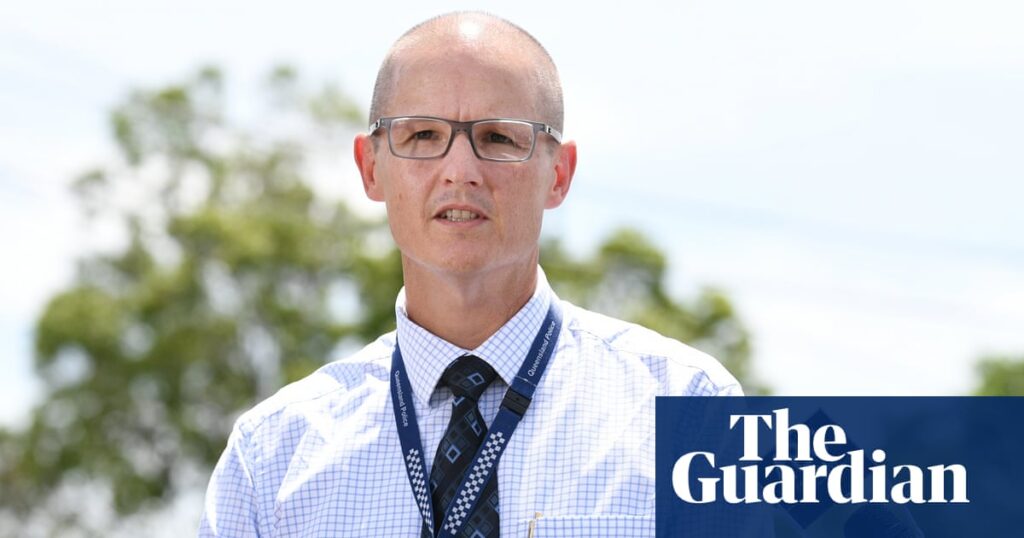
This year, Thompson, now promoted to superintendent, and Assistant Commissioner Brian Swan presented a seminar on the Clarke homicide investigation at the Australian Federal Police’s Management of Serious Crime program. Although Guardian Australia did not attend, a copy of the seminar slides and speaking notes revealed that Swan disagreed with Thompson’s removal, asserting that Thompson’s “intent was right.”
“Mark should have remained,” Swan’s notes stated. “My gut feeling was that this was a wrong decision… We lost an opportunity and could have controlled the narrative and kept control of the messaging.”
The notes indicated that Thompson’s comments were part of a deliberate “media strategy” aimed at encouraging those who had supported or believed Baxter to come forward. However, the strategy “went wrong” after it faced widespread backlash from the community.
Community and Expert Reactions
Following the controversial comments, two witnesses who had supported Baxter came forward, claiming Clarke had fabricated domestic violence allegations. This led detectives to question the “veracity and motive” of Clarke’s disclosures in the months leading to her murder. The situation raised concerns about potential errors in the police investigation and the broader handling of domestic violence cases.
Kate Pausina, a former senior detective with extensive experience in domestic violence homicide reviews, criticized the notion of a “media strategy” in such cases. She emphasized that the initial comments were “extremely problematic and dangerous,” underscoring that victims should never be held responsible for the violence they endure.
“This was a coronial investigation, not a criminal one,” Pausina stated. “There was no person of interest. It makes no sense that there was a need for a covert strategy.”
Police Response and Reflection
At a press conference announcing Thompson’s removal, Carroll stated that police would review their interactions with Clarke, questioning whether earlier interventions could have prevented the tragedy. However, Guardian Australia reported that Queensland police did not conduct a mandatory “contact audit” or an internal review of their actions for the inquest.
According to the speaking notes, Thompson felt isolated from community groups due to the public reaction to his comments. He noted that the backlash highlighted the need for positive cultural change among men and within the police organization.
“The negative allegations about me had the positive effect of focusing on the need to ensure positive cultural change among men (and in the organization),” the notes say.
The Queensland Police Service (QPS) did not address questions from Guardian Australia about the seminar’s endorsement or content approval. Instead, they referred to previous responses regarding their handling of the Clarke case.
Future Implications
In an interview for Guardian Australia’s Broken Trust investigation, then-Deputy Commissioner Cameron Harsley suggested that police attitudes towards domestic and family violence were beginning to change. However, recent findings from a 100-day review led by Swan argued that domestic violence case management was not “core business” for police, sparking further criticism.
Critics argue that these findings indicate persistent issues in police attitudes towards domestic and family violence, underscoring the need for continued reform and education within the force. As Queensland police face scrutiny over their response to the Clarke case, the broader implications for handling domestic violence cases remain a critical area for improvement and public accountability.