

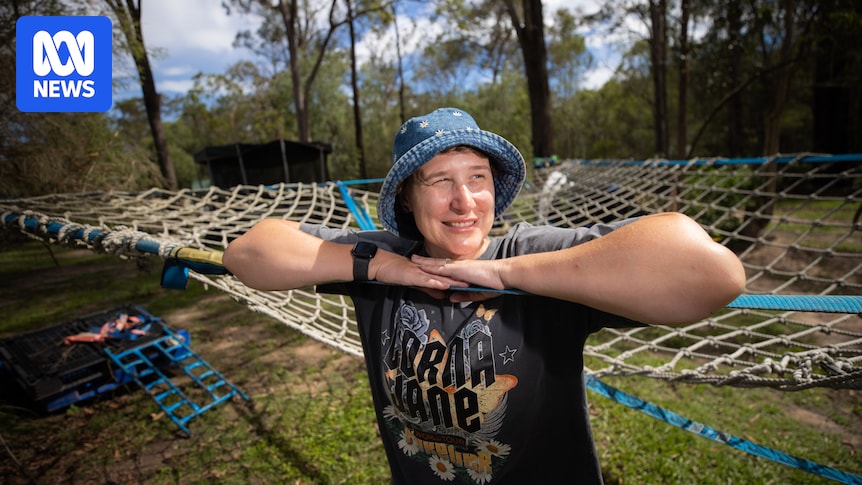
It has been nearly two years since Kaycee-Anne Mabbott was referred to a specialist for an assessment for attention deficit hyperactivity disorder (ADHD), yet she still awaits an appointment. The Queensland mother was advised to expedite the process by following up and requesting to be placed on a cancellation list, a task she found daunting. “Having to make phone calls … can be really difficult especially when you can’t focus on those tasks all the time,” she explained.
Starting December 1, Mabbott will have the opportunity to consult a specialist general practitioner (GP) as Queensland becomes the first jurisdiction in Australia to permit GPs to diagnose ADHD in adults and prescribe treatment. Mabbott expressed relief at the prospect of consulting her GP of 17 years, who is familiar with her and her family’s medical history.
Reforms and Concerns: Expanding GP Roles
For many years, specialist GPs in Queensland have been authorized to diagnose ADHD in children aged four to 17. The expansion to include adults does not require additional specific training for these GPs, a decision that has sparked concerns among some health professionals.
Brisbane-based GP Dr. Aaron Chambers highlighted the benefits of the new policy, noting that it would simplify the continuation of care for patients turning 18, who would no longer need to seek psychiatric referrals and regulatory approvals. “It is great news for patients and it is really going to massively remove red tape and regulatory roadblocks so they can get access to the care they need,” he stated.
However, Dr. Chambers, who chairs the Royal Australian College of General Practitioners (RACGP) Queensland education committee, cautioned that the change does not imply immediate medication prescriptions by GPs. He emphasized the necessity of a comprehensive assessment process, potentially involving psychologists and psychiatrists, depending on the complexity of the condition.
“I think there are legitimate concerns around over-diagnosis but GPs are experts in … knowing when to get another specialist involved in order to validate a diagnosis,” he said.
National Approaches and Training Disparities
At a recent meeting, Australia’s health ministers endorsed the need for a unified national approach to ADHD diagnosis and prescribing practices. However, states and territories are currently adopting varied strategies. In New South Wales, over 2,900 patients with existing diagnoses have accessed prescriptions through trained GPs following recent policy changes. Western Australia and South Australia are implementing training programs for GPs, while the Australian Capital Territory has initiated a pilot program.
Professor David Coghill, president of the Australasian ADHD Professionals Association, expressed disappointment that Queensland’s changes are not accompanied by specific training initiatives. He emphasized the importance of psychological and therapeutic support alongside medication. “The task for people assessing ADHD is both to make sure that we recognize when someone does have ADHD … but also that we can recognize when someone’s presenting with something they might think is ADHD but actually is better explained by other difficulties,” he said.
Professor Coghill stressed the importance of collaboration between GPs and specialists to ensure comprehensive care. Similarly, Dr. Zena Burgess, chief executive of the Australian Psychological Society, advocated for a collaborative model involving psychologists in assessment and treatment, with GPs overseeing medication management.
“We believe a collaborative model — where psychologists provide assessment, diagnosis and psychological treatment and GPs oversee medication — would provide a sustainable and effective solution,” she said.
The Impact of Diagnosis and Future Implications
Ms. Mabbott’s sister and business partner, Angie Casella, who was diagnosed with ADHD 18 months ago, described the experience as “life-changing.” The diagnosis process, however, was lengthy and costly, involving multiple specialist appointments over eight months and costing approximately $1,500 out of pocket.
While Casella supports the expansion of GP roles, she cautioned against viewing medication as a quick fix. “For me, I sought out a diagnosis because I had reached that crisis point, and I really felt like there was no other alternative other than to try medication,” she reflected.
The Royal Australian College of Psychiatrists has called for mandatory accredited training and professional development for GPs diagnosing ADHD in adults. They emphasize the necessity of comprehensive assessments, which often require one to two hours, to prevent over-diagnosis and ensure safe, evidence-based treatments.
“This depth of assessment is essential to avoid both over-diagnosis and under-diagnosis, and ensures appropriate, safe, evidence-based treatments, including the safe prescribing of stimulant medication,” their position statement read.
As Queensland leads the way in expanding the role of GPs in ADHD diagnosis, the broader implications for healthcare policy and patient care across Australia remain a topic of significant interest and debate. The move represents a critical step towards reducing barriers to care, though it underscores the ongoing need for comprehensive training and interprofessional collaboration.