
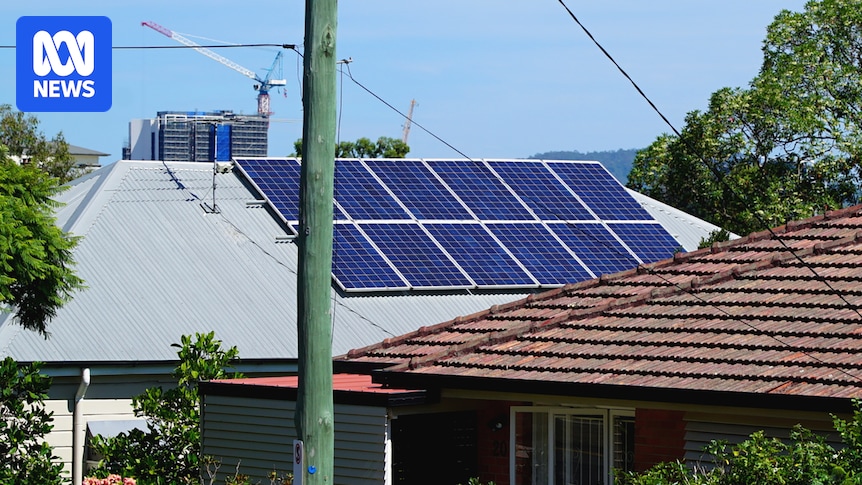
A new solar rebate program, anticipated to significantly reduce energy bills for renters, is being launched by the Queensland government. The initiative, known as the “$26 million supercharged solar for renters” scheme, will offer rebates of up to $3,500 to landlords who install rooftop solar panels on their rental properties.
This pre-election commitment from the Liberal National Party (LNP) is expected to benefit approximately 6,500 households, potentially saving them around $700 annually on energy costs. Applications for the program will open on Friday morning.
Broad Support and Eligibility Criteria
Treasurer and Energy Minister David Janetzki emphasized the widespread support for the program from both the industry and renters. “It’s a win-win-win, easing costs for renters, enhancing property values for landlords, all while supporting renewable energy adoption in Queensland,” Janetzki stated. “This program ensures the strong take-up continues and renters also reap the benefits.”
To qualify for the rebate, landlords must be renting out a house, duplex, or townhouse with a rental price of less than $1,000 per week. Additionally, the consent of tenants and the body corporate, if applicable, is required. Landlords must reside in Australia and can apply for rebates on up to three tenanted properties they own, although only one rebate per home is allowed. Properties that already have a solar system installed are not eligible for the rebate.
Historical Context and Previous Initiatives
This initiative follows a similar rebate program introduced by the former Labor government in 2019, which saw hundreds of landlords in Bundaberg, Townsville, and Gladstone participate. However, that program required an agreement between tenants and landlords for a weekly rent increase of about $10.
Currently, more than 900,000 homes and businesses in Queensland have solar systems installed, with Bundaberg leading the state in adoption rates.
Policy Shifts and Future Energy Goals
The launch of the rebate program coincides with the recent repeal of legislated renewable energy targets by the state parliament. These targets, established by the former Labor government, aimed for 50% renewable energy by 2030, 70% by 2032, and 80% by 2035. The LNP argued that these legislated targets lacked flexibility and that their removal allows for a more pragmatic approach to energy policy.
Despite these changes, the government maintains its commitment to achieving net-zero carbon emissions by 2050. It plans to continue operating Queensland’s coal-fired power stations until at least 2046, alongside the integration of renewable technologies such as solar and wind.
Implications and Looking Forward
The introduction of the solar rebate program represents a strategic move to bolster renewable energy adoption while simultaneously addressing the financial burdens faced by renters. By incentivizing landlords to install solar panels, the government aims to create a more sustainable and economically viable energy landscape in Queensland.
As the program rolls out, it will be essential to monitor its uptake and effectiveness in reducing energy bills for renters. The success of this initiative could serve as a model for other regions looking to balance renewable energy goals with economic considerations.
In the coming months, stakeholders will be watching closely to see how this program impacts both the rental market and the broader energy policy landscape in Queensland.