




The Queensland government has announced a new mandate requiring mental health clinicians to report patients considered at high risk of committing violent gun crimes. This policy shift comes in response to the tragic Wieambilla shooting that occurred in December 2022, claiming the lives of two police officers and a civilian.
Despite this significant move, the measure stops short of a more comprehensive recommendation from an inquest into the attack. The inquest had called for a review into the feasibility of mandatory mental health checks for all weapons license applicants. The shooting, carried out by violent extremists Gareth, Nathaniel, and Stacey Train, has prompted intense scrutiny over current gun laws and mental health protocols.
New Reporting Requirements for Clinicians
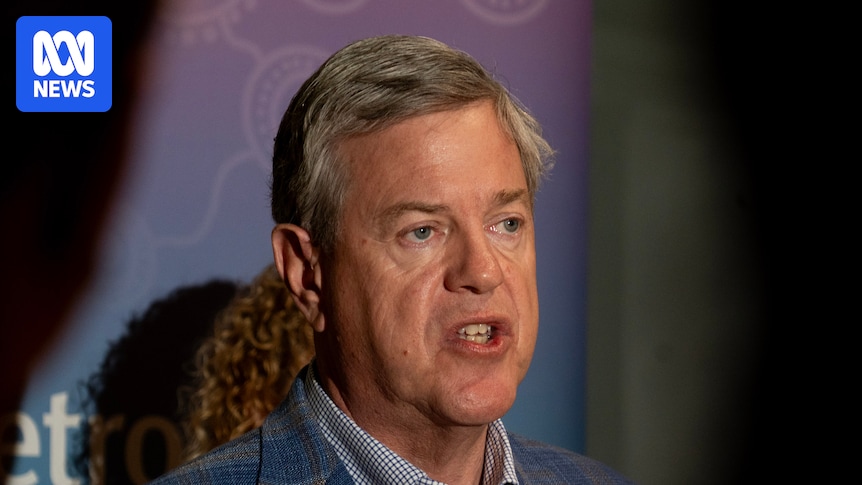
Under the new directive, health professionals who believe a patient poses a risk due to their mental or physical health will be required to notify the Queensland Police Service. Health Minister Tim Nicholls emphasized the importance of this measure in a statement to the state parliament.
“If a clinician forms the view that a patient is of a higher risk of committing violence with a weapon, then it will in effect be mandatory for that clinician to report it to the Queensland Police Service,” Nicholls stated.
While clinicians already have the ability to report such concerns, last year saw over 550 disclosures from Queensland Health, with two-thirds related to weapons licensing. Notably, the new mandatory reporting requirement will not apply to the private health system.
Enhanced Firearm Prohibition Orders
In addition to the reporting mandate, the government plans to streamline the process for issuing firearm prohibition orders (FPOs). Previously, these orders were court-issued and limited to 60 days. The new changes will empower the police commissioner to issue FPOs for up to 10 years for adults and five years for minors.
“We will act to bring Queensland into line with other states, allowing the police commissioner the power to issue an FPO acting on criminal intelligence, to prohibit high-risk individuals from possessing, using or acquiring firearms,” Police Minister Dan Purdie explained.
These measures aim to target individuals identified as extremists, terrorists, bikies, and those with murderous intent. The Wieambilla inquest highlighted communication issues in remote areas, which the government intends to address with a $5 million investment in drone technology and a $1 million initiative to eliminate communication black spots.
Reactions and Criticisms
Premier David Crisafulli underscored the reforms as a tribute to the victims of the Wieambilla shooting, stating, “The events at Wieambilla were a dark day for Queensland and we owe it to the victims and their families to make Queensland safer.”
However, the government’s actions have not been without criticism. Australian Gun Safety Alliance convenor Stephen Bendle expressed disappointment over the government’s decision not to implement mandatory mental health checks for gun license applicants.
“The Queensland government has let down the Queensland community,” Bendle remarked. “What we saw in Wieambilla and also in Bondi were terrible tragedies, and the Australian population rightfully expect their governments to ensure that our gun laws are as strong as possible.”
Meanwhile, Katter’s Australian Party leader Robbie Katter warned of potential unintended consequences of mandatory mental health checks, particularly in rural areas where firearms are often essential tools for primary producers.
“People in rural areas might have mental health issues that they won’t talk about,” Katter said. “Especially for primary producers, where the rifle is a tool of trade that they use daily. The last thing they want to do, if they’re having a tough year, is talk about their mental health to someone because they [then] get the [gun] license taken off them.”
Looking Ahead
The Queensland government’s decision represents a significant step in addressing gun violence through mental health interventions. However, the debate continues over the balance between public safety and personal freedoms, particularly in rural communities. As these reforms are implemented, their effectiveness and impact on both urban and rural populations will be closely monitored.
With the trial of new communication technologies set to begin in the Western Downs, the government hopes to prevent future tragedies and enhance safety for all Queenslanders. The ongoing dialogue between policymakers, health professionals, and community leaders will be crucial in shaping the future of gun safety legislation in the state.