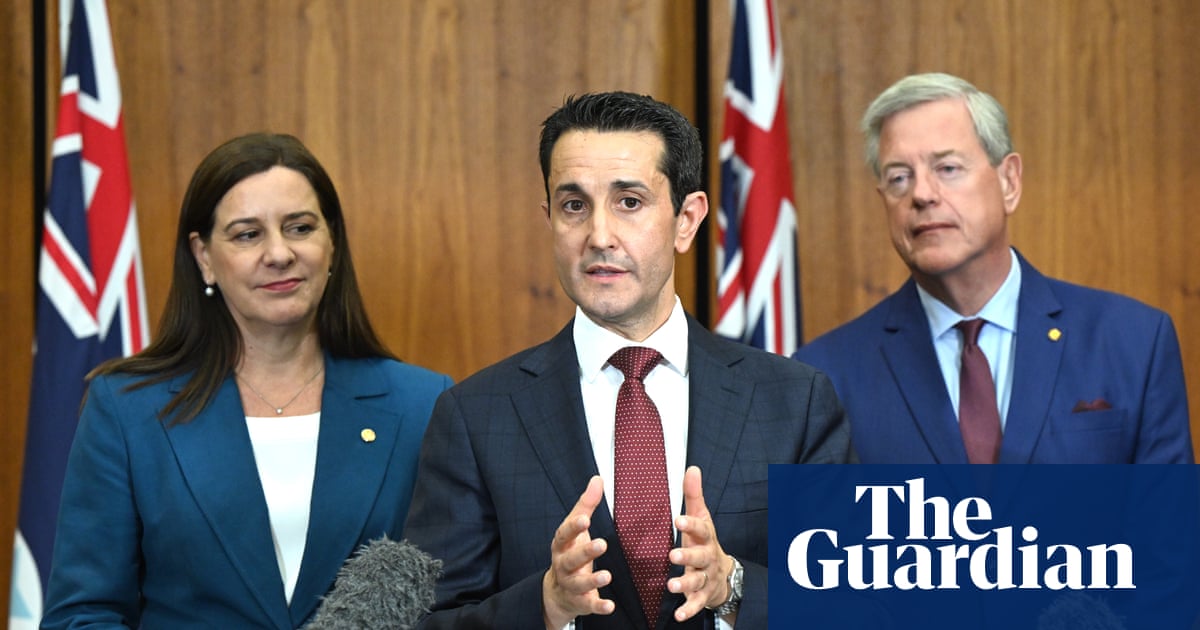




Queensland’s state government has come under fire for allegedly ignoring a key recommendation from the Wieambilla coronial inquest to introduce mandatory mental health checks for gun license applicants. This criticism comes from the state opposition, who argue that the government has not adequately addressed concerns raised by the inquest.
The legislation, tabled on Tuesday, aims to tackle issues related to firearm ownership and antisemitism, partly in response to the Bondi terror attack and the Wieambilla inquest. However, the absence of mandatory mental health assessments has drawn significant backlash.
Wieambilla Inquest Findings and Recommendations
The state coroner, Terry Ryan, released findings from the 2022 Wieambilla shootings, where police constables Matthew Arnold and Rachel McCrow, along with neighbor Alan Dare, were killed. The shooters, who suffered from a shared delusional disorder, used firearms that were lawfully possessed. Despite Nathaniel Train’s mental illness, he legally owned some of the weapons used in the attack.
Ryan recommended exploring the feasibility of mandatory mental health assessments for weapons license applicants, a suggestion that has not been incorporated into the new legislation.
Challenges in Implementing Mental Health Checks
Police Minister Dan Purdie cited issues in Western Australia, where similar requirements have faced challenges. He noted concerns from the Royal Australian College of General Practitioners regarding the capability of GPs to conduct such assessments. Purdie suggested that forensic psychologists or psychiatrists would be more suitable for these evaluations, but acknowledged their limited availability across Queensland.
“In WA the Royal Australian College of General Practitioners has raised concerns about whether GPs have the proper skills to do that risk assessment, and that has posed issues where this has been done in other areas,” Purdie said.
Political Reactions and Public Safety Concerns
The shadow attorney general, Meaghan Scanlon, accused the government of yielding to the gun lobby, criticizing their decision not to participate in the national gun buyback or impose new restrictions on firearm ownership.
“The LNP have ignored the recommendations from the coronial inquest, and they have ignored the families of Rachel McCrow and Matthew Arnold,” Scanlon stated.
In response, the McCrow and Arnold families expressed support for any measures aimed at enhancing police protection, emphasizing the need for improved training and communication.
Instead of mental health checks, the government has opted to mandate that carers in the public health system report high-risk patients to Queensland police, a power that clinicians currently have discretion over. Last year, approximately 550 people were reported under the existing system, according to Health Minister Tim Nicholls.
Additional Measures and Investments
The government plans to simplify paperwork for firearm prohibition orders and invest $5.3 million in drone technology, intelligence-sharing, and improved police communications. These actions aim to address other recommendations from the coronial inquest.
The coroner found the Wieambilla shootings “were not a consequence of a systems failure, because the Trains were ‘not known to’ any health professional.”
Hate Speech Reforms and Legal Challenges
Alongside the gun law reforms, the government introduced hate speech legislation granting the attorney general the power to ban certain slogans, such as “from the river to the sea” and “globalise the intifada.” This move has sparked controversy and potential legal challenges from groups like Justice for Palestine.
Constitutional law expert Anne Twomey highlighted the complexities of the proposed laws, which target specific expressions and require rigorous judicial scrutiny.
“On the one hand, the proposed laws permit regulations to be made to prohibit particular expressions. As this is not ‘content-neutral’, but rather directed at specified expressions of political views, it will require high level scrutiny by a court and a compelling reason to survive that constitutional scrutiny,” Twomey explained.
The legislation also allows police to detain and search individuals suspected of the offense without a warrant, a measure that has raised concerns about civil liberties.
As the debate continues, the Queensland government faces pressure to balance public safety with individual rights, while addressing the recommendations from the Wieambilla inquest and the broader community’s expectations.