



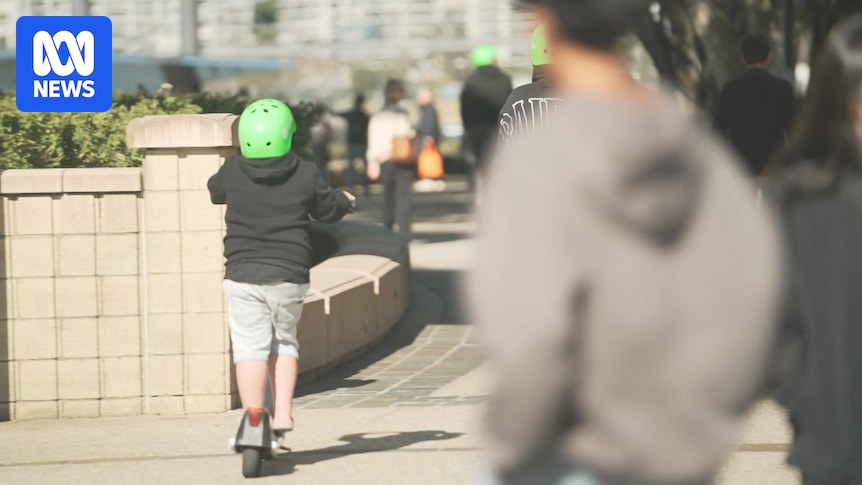
A proposed ban on children under 16 riding e-bikes and e-scooters in Queensland has sparked a heated debate among retailers and advocates. Described as “ridiculous” by one bicycle retailer, the ban has also raised concerns about its impact on children with disabilities who rely on these devices for mobility.
Graham Turner, managing director of Flight Centre and a major shareholder in bicycle retailer 99 Bikes, criticized the government’s focus. He argued that attention should be directed towards high-powered, illegally imported bikes rather than the less powerful, pedal-assisted bikes commonly sold by retailers.
The recommendations, part of a report into e-mobility safety, followed a concerning trend where 12 people died in e-mobility-related incidents in Queensland last year, and over 6,300 people sought emergency medical care for related injuries.
Retailers Voice Concerns
“There’s a very big difference between the legal ones and the illegal ones in terms of power and speed,” Turner emphasized, noting that pedal-assisted bikes generally have a top speed of 25 kilometers per hour, while illegal versions can exceed 60 km/h. “It’s pretty obvious that the police should crack down on these e-bikes and they also should be cracking down on sellers and the importers,” he added.
Turner also highlighted a loophole allowing riders to use high-powered bikes in private backyards, suggesting it should be closed to enhance safety.
Impact on Mobility for Disabled Youth
Richard and Andrea Herklots, owners of EveryBody eBikes Brisbane, expressed concerns that a blanket ban could severely impact young people with disabilities. Their company modifies e-bikes for children with conditions like muscular dystrophy and heart and lung ailments, offering them increased mobility.
Ms. Herklots warned that the ban could push children into using electric wheelchairs, which, while beneficial, do not offer the same freedom as e-bikes. “Electric wheelchairs are great, but there’s a lot of kids out there that just want to be able to jump on a bike,” she said.
“People with multiple sclerosis sometimes can still ride a two-wheel bike but need help with power as they get hot and can fatigue very quickly,” Ms. Herklots explained, advocating for specific exemptions for e-bikes used by children with disabilities.
Broader Implications and Industry Reactions
Bicycle Queensland chief executive Matthew Burke expressed concerns about the proposed licensing requirements, warning of “unintended consequences” for businesses and riders. He highlighted the potential impact on international students who rely on e-bikes for gig economy jobs like food delivery.
“It’s an extra barrier to work for that cohort. We’re dead against this,” Burke stated.
The announcement comes as Queensland Transport Minister Brent Mickelberg defended the recommendations, stating that “hard decisions” are necessary to address community safety concerns. He expressed willingness to consider the report’s suggestions despite potential unpopularity.
For Samantha Willis, co-owner of Electric Bikes Brisbane, the focus on illegal and non-compliant bikes is welcome. However, she voiced concerns that some recommendations might unnecessarily limit access to e-mobility devices, especially for children.
“I think that it is really going to limit some of the strategic intent around e-mobility, the ability for children to get to school, all that sort of stuff,” Willis remarked.
Industry Stakeholders Weigh In
Both Neuron and Lime, companies operating shared scooter and bike schemes in Queensland, were contacted for comment. In Queensland, riders must be over 16 for a Neuron scooter and 18 for a Lime bike or scooter.
A spokesperson for Neuron emphasized the importance of maintaining accessibility in any regulatory framework, particularly for individuals without driver’s licenses or car access. “Safety is fundamental to the success of rental e-mobility, and we support clear, consistent statewide regulations that improve safety outcomes while ensuring the service remains accessible and beneficial to riders and the wider community,” they said.
As the debate continues, stakeholders and the Queensland government are expected to collaborate closely to refine the recommendations and address the diverse concerns raised by retailers, advocates, and the public.