


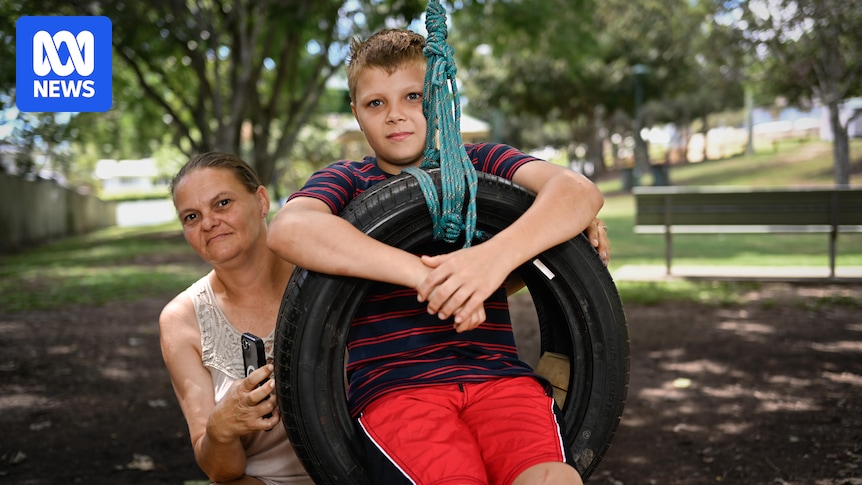
Kelly Stothard was taken aback when she received a letter from the Brisbane City Council threatening potential fines over her children’s modest cupcake stand. On Monday, the council informed Stothard that a complaint had been lodged against her for “food being manufactured and sold” from her home without the necessary food business licence.
The letter warned the Stafford Heights mother that she had 24 hours to apply for a food business licence or face penalties.
“A review of council records and an investigation into the above premises indicates that you are operating a food business without a food business licence,” the letter stated. “The operation of a … food business without a current food business licence is an offence under section 49 of the Food Act 2006 and can result in an on-the-spot fine or prosecution.”
The Community’s Reaction
Stothard expressed her disbelief over the situation, noting the complaint had been made against her children’s innocent entrepreneurial venture. “I remember doing those sorts of things as a kid, so I was very shocked that someone went that far to complain,” she remarked. “Back in the 80s and 90s, kids used to be out all the time doing door-knocking sales, playing out on the street, but these days they’re inside on tablets. I support the kids when they want to get outside and do things and earn a bit of extra pocket money.”
Her son, Kaden Heber-Stothard, shared that the cupcake and lemonade stand was a collaborative effort among several neighborhood children. “I feel a bit bad that we got dobbed in for having a lemonade and food stand,” Kaden said.
Official Response and Policy Implications
Brisbane Lord Mayor Adrian Schrinner addressed the situation on 612 ABC Brisbane, confirming that the council would not pursue the complaint further. According to Schrinner, an anonymous resident had initially reported the stand to Queensland Health, prompting the council’s involvement. However, he emphasized a “live-and-let-live” approach in this case.
“Technically by the letter of the law, you can’t just do that, but my view is — c’mon, let’s not complain about kids selling cupcakes,” he stated. “The state government does set the rules when it comes to food safety. Yes, those rules exist for a reason, but in this case, let’s not go over the top in terms of a response. I’m not suggesting people break the law, but the reality is we’ve got to have a bit of flexibility here.”
Historical Context and Expert Opinions
This incident highlights the ongoing tension between regulatory compliance and community spirit. Historically, small-scale ventures like lemonade stands have been seen as a rite of passage for children, fostering entrepreneurship and community interaction. However, modern regulations, designed to ensure public safety, often clash with these traditional practices.
Food safety expert Dr. Emily Carter notes, “While regulations are crucial for maintaining public health standards, there needs to be a balance. Small, low-risk activities, especially those involving children, should be considered with a degree of leniency to encourage community engagement and learning opportunities.”
Looking Ahead
For now, Ms. Stothard and her children can continue their cupcake stand without fear of repercussion, thanks to the council’s decision to prioritize community values over stringent regulatory enforcement. This case may serve as a catalyst for discussions on how to better align local regulations with community expectations, ensuring both public safety and the nurturing of young entrepreneurial spirit.
The incident underscores the importance of revisiting regulatory frameworks to accommodate small-scale, low-risk activities, potentially paving the way for more flexible guidelines that support community-driven initiatives.