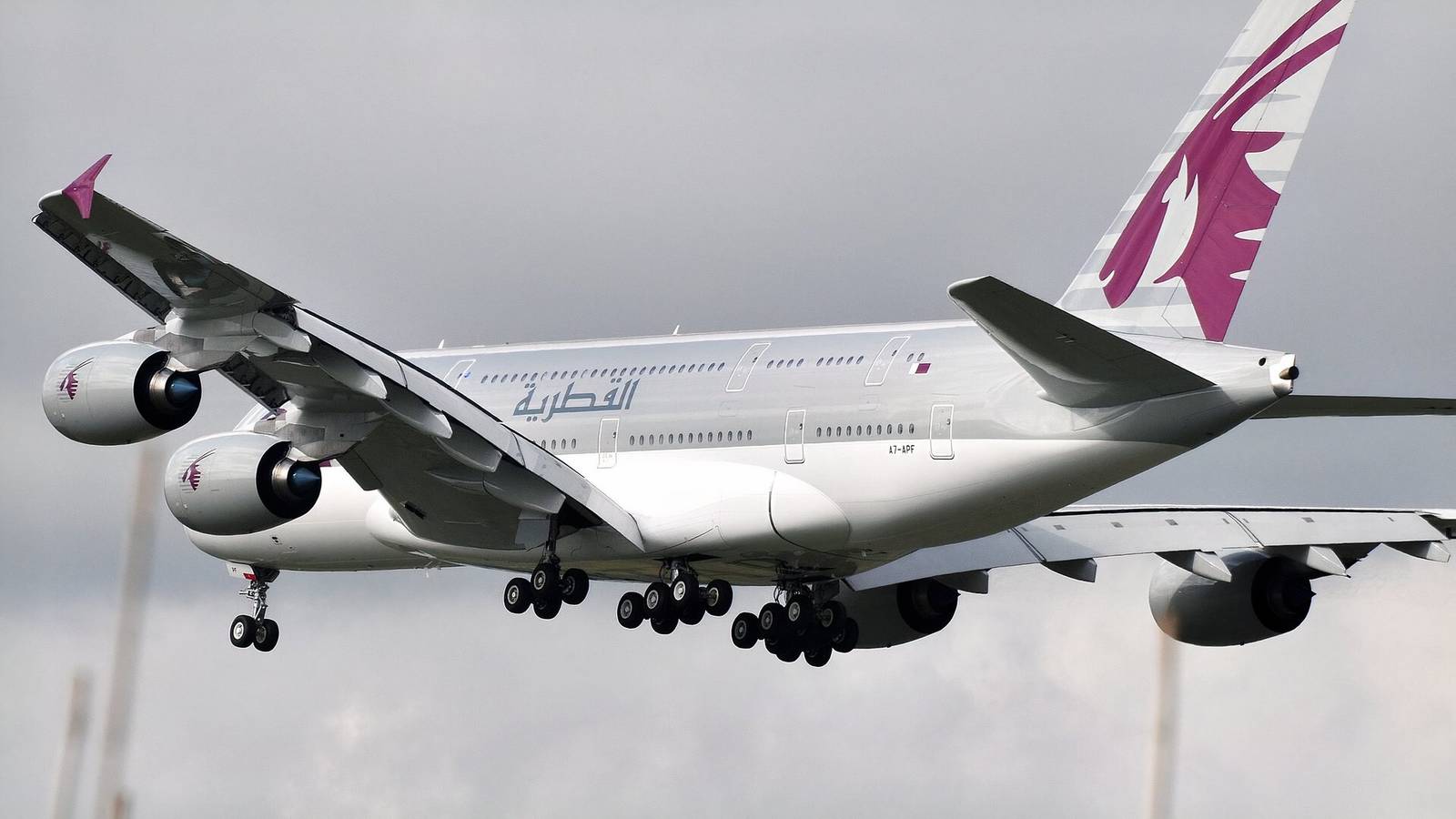




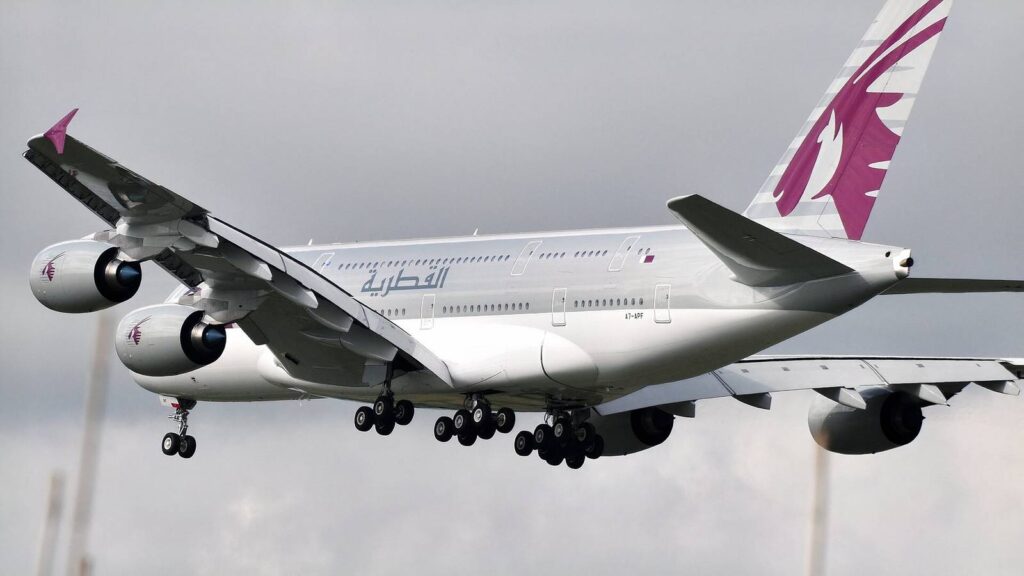
Qatar Airways, a prominent player in the aviation industry, has announced the discontinuation of Airbus A380 services on five major routes. This strategic shift marks a significant change in the airline’s operations, impacting routes that have historically seen the iconic double-decker aircraft. The decision comes amid evolving market dynamics and operational strategies.
The airline, which was a late adopter of the A380, received its first aircraft in September 2014, seven years after Singapore Airlines, the launch customer, took delivery of its initial A380. Currently, Qatar Airways possesses a fleet of ten A380s, with two of these aircraft, including the first delivered unit, A7-APA, having been stored since 2020. The future of these stored aircraft remains uncertain as they have not returned to service.
Routes Affected by the A380 Withdrawal
Using data from Cirium, it is evident that Qatar Airways has ceased A380 operations on several routes, including a notable one-off service between Doha and Atlanta. The A380’s deployment on this route was largely ceremonial, celebrating the launch of Qatar Airways’ new service to the world’s busiest airport. This practice is not uncommon, as other airlines like Emirates and Qantas have also used the A380 for special events and group charters.
Doha to Perth: A High-Volume Route
Among the routes affected, the Doha to Perth service was particularly significant. Qatar Airways has been serving Western Australia since 2012, initially using the Boeing 777-200LR, followed by the 777-300ER. The A380 took over in May 2018, offering a daily service with its 517-seat capacity, including eight first-class seats. However, in June 2025, the route transitioned back to the 777-300ER, resulting in a loss of first-class and a reduction of nearly a third of the total seats, although business class capacity saw only a minor decrease.
This change coincided with Virgin Australia launching Perth-Doha flights using Qatar Airways’ 777-300ERs. This collaboration has allowed Qatar Airways to maintain two daily flights to Perth, enhancing its competitiveness and increasing daily seat capacity by 37%.
Frankfurt: A Brief A380 Era
Frankfurt was another key destination for Qatar Airways’ A380s, albeit for a limited period. The airline operated daily A380 flights to Frankfurt from March 2019 until March 2020, when the pandemic forced a suspension of services. Since then, the A380 has not returned to Frankfurt, suggesting that the route’s performance did not meet expectations compared to other opportunities.
In 2019, Frankfurt ranked as the seventh most-served airport globally for A380 departures, with six airlines operating the aircraft there. However, by 2026, it has dropped to the 30th position among 62 airports with A380 services.
Strategic Implications and Future Outlook
The withdrawal of the A380 from these routes reflects Qatar Airways’ strategic pivot towards more efficient aircraft types. As the aviation industry continues to recover from the pandemic, airlines are increasingly focusing on optimizing their fleets to balance capacity with demand. The A380, while iconic, is less fuel-efficient compared to newer models like the Boeing 787 and Airbus A350.
According to industry experts, the shift away from the A380 is part of a broader trend among airlines to streamline operations and reduce costs. The operational flexibility offered by smaller, more efficient aircraft allows airlines to adjust capacity more dynamically in response to fluctuating passenger demand.
Looking ahead, Qatar Airways is expected to continue leveraging its partnerships and expanding its network with a focus on sustainability and efficiency. The airline’s collaboration with Virgin Australia on the Perth-Doha route exemplifies this strategy, as it seeks to enhance its market presence while maintaining service quality.
As Qatar Airways navigates this transition, the industry will be watching closely to see how these changes impact its competitive positioning and customer experience. The airline’s ability to adapt to evolving market conditions will be crucial in maintaining its status as a leading global carrier.