


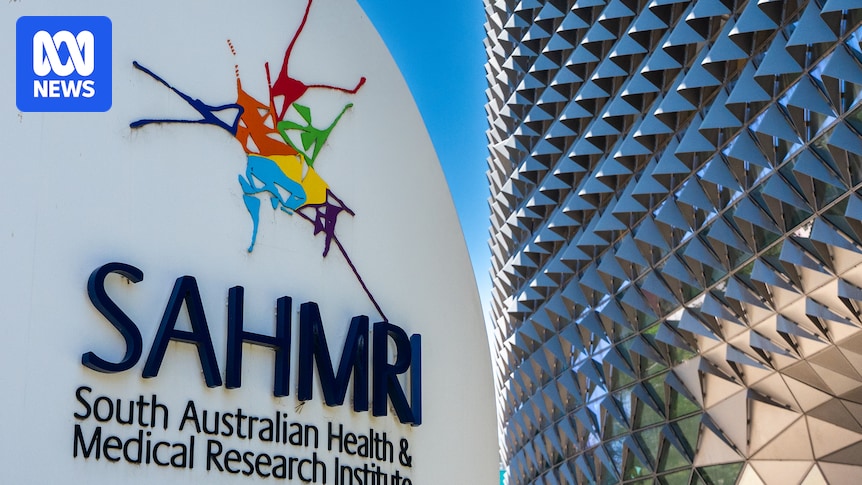
In a dramatic turn of events, the South Australian Health and Medical Research Institute (SAHMRI) has filed a $US32 million lawsuit against ProTom International, the technology firm responsible for what was meant to be the Southern Hemisphere’s first proton therapy cancer unit. The project, which aimed to revolutionize cancer treatment in Adelaide, has instead become embroiled in a procurement controversy.
The lawsuit, filed in South Australia’s Supreme Court, alleges misleading and deceptive conduct by ProTom. The firm, however, maintains that it was prepared to deliver the unit and remains ready to do so if the contract is revived. This legal battle follows the collapse of the ambitious project last year, raising questions about the initial contract award process.
Background and Ambitions
SAHMRI’s agreement with US-based ProTom was initiated after the 2018 state election, with the intent to purchase the “compact” Radiance 330 proton therapy system. The project was supported by $115 million in public funding from both state and federal governments. The unit was planned to be housed in a specially constructed bunker at the Bragg Centre for Proton Therapy and Research in Adelaide, with the capacity to treat 700 cancer patients annually, including children and adults with rare tumors.
Despite these promising plans, the project faltered, leading to scrutiny over whether ProTom was the right choice for the contract. A 2017 due diligence review by KPMG had already flagged concerns about the company’s financial stability and its track record in delivering proton units.
The Unraveling of the Project
Supreme Court documents reveal the project’s decline began in earnest in January last year, when SAHMRI representatives met with ProTom’s new CEO, Paul Tso, in Boston. It was during this meeting that Mr. Tso reportedly disclosed ProTom’s financial struggles and inability to fulfill the contract under current terms. Subsequently, ProTom requested an additional $US57.2 million to complete the project, on top of the $US49.5 million initially agreed upon.
The contract was terminated by SAHMRI in October 2024, leading to the current legal proceedings. Mr. Tso, speaking from Toronto, expressed disappointment over the legal action, suggesting mediation should have been the first step given the contract’s magnitude.
“In any disputes between the parties, the party that initiates the dispute would have to suggest a neutral mediation company,” Mr. Tso stated.
Impact and Future Prospects
The collapse of the project leaves Australia without a proton therapy service, forcing patients to seek treatment abroad at considerable expense. Proton therapy is known for its precision in targeting tumors, making it a crucial option for certain cancer patients.
Mr. Tso claims that switching to another manufacturer could increase costs by up to $70 million, highlighting the bespoke nature of the bunker designed for ProTom’s system. He insists that the project’s failure was not due to their technology, which he describes as proven and operational at Massachusetts General Hospital in the US.
“The project failed … not because of our technology. Our technology is proven,” Mr. Tso told the ABC. “It’s about determination. It’s about full cooperation.”
Federal Health Minister Mark Butler has acknowledged that the original deal was made under previous government administrations and suggested that ProTom might not have been the ideal contractor. However, Mr. Tso counters that his system has been effectively treating patients for years.
Legal and Political Ramifications
As the lawsuit progresses, SAHMRI has sought possession of equipment currently stored in the US and Slovenia, including a Synchrotron essential for the proton therapy unit. Mr. Tso claims this equipment has already been handed over, though SAHMRI refrains from commenting on ongoing legal matters.
The case is set to return to court on December 16, with no clear resolution in sight. Meanwhile, Minister Butler has indicated that if progress stalls in South Australia, the government may consider establishing a proton therapy unit in another state, emphasizing the need for a national service.
“I’m continuing to work through this, including with South Australia to see whether they have a viable proposal to resurrect their ambitions to have a proton therapy unit here,” Butler stated. “But, if not, we’re going to have to go to other jurisdictions.”
For now, the purpose-built bunker in Adelaide remains empty, and Australian cancer patients continue to face the burden of traveling overseas for proton therapy treatment, with uncertainty lingering over when a domestic service might finally become available.