



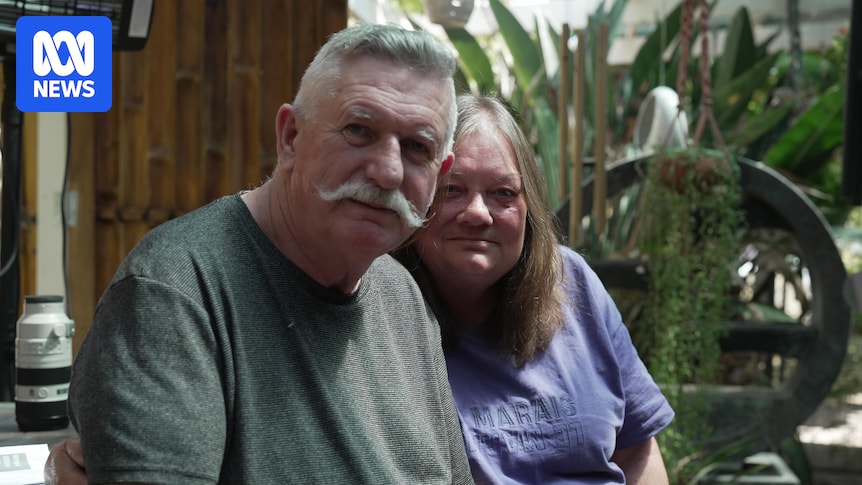
Trevor Cox was driving his wife, Marie, to the hospital for an emergency shoulder replacement when a phone call turned their world upside down. The private hospital informed them that their insurer, Bupa, would not cover the surgery scheduled for the next day. The couple, who had been loyal Bupa customers for 40 years, were shocked to learn they would need to pay $30,000 out of pocket, with $16,000 required upfront.
The Bendigo couple described the situation as “cruel,” especially since Marie was in severe pain after shattering her shoulder in a fall. With a shortage of shoulder specialists in their area, they felt compelled to rely on the private healthcare system. Scrambling for funds, they borrowed money from friends and even remortgaged their modest home to cover the medical expenses.
“I’m just a little fish and they make so much money,” Marie Cox lamented. “They had the ability to show compassion, but they didn’t.”
Rising Premiums and Growing Discontent
The Cox family’s ordeal highlights a growing dissatisfaction with private health insurance in Australia, as the government recently approved a 4.41% average premium increase, the largest since 2017. This decision follows a year of intense debate within the sector, marked by high-profile disputes between insurers and private hospitals and the collapse of Healthscope.
The situation has prompted calls for reforms, including price benchmarks for hospital services similar to the public sector, a mandatory code of conduct, and the establishment of an independent regulatory authority.
“This premium round has been guided by my commitment to maintain the value of private health insurance for Australians,” Health Minister Mark Butler stated, emphasizing the need for the sector to support private hospitals facing rising costs and challenges.
Insurance Loopholes and Policy Downgrades
Marie Cox’s fall exposed a significant gap in the private health insurance industry regarding joint replacements following accidents. Initially, the couple had gold-level coverage, which included joint replacements. However, in 2018, a Bupa employee convinced them to downgrade to a cheaper silver plus policy, which came with more exclusions.
Brett Heffernan from the Australian Private Hospitals Association noted that policy downgrades have become common during the cost-of-living crisis, benefiting insurers as silver policies remain lucrative but offer less coverage.
“[Nearly] 70 percent of Australians who have private hospital insurance now have exclusions or restrictions built into their policies,” Heffernan stated.
The insurer industry body, Private Healthcare Australia, explained that the sharp price increase in gold policies results from them being primarily taken out by individuals most likely to make claims. Insurance policies are tiered into basic, bronze, silver, and gold categories, with mandated coverage for each group.
Mr. Cox was advised that future elective surgeries could be covered by upgrading their policy closer to the date. However, the silver policy lacked an “accident inclusion” add-on, which would have provided gold-level benefits in case of an accident.
Understanding Accident Cover
Health insurance consultant Ed Butler pointed out that accident cover is often overlooked because it isn’t listed on the Private Health Summary document, which details other clinical categories. This oversight can lead to significant financial burdens for patients.
“You would think it would say on those entitlements, ‘Not covered for trauma,'” Mr. Cox remarked.
The Cox family assumed all private health insurance included accident cover, but this varies widely between policies and states due to overlaps with state-based insurance systems.
Surgeons and Patients Caught Off Guard
Joint replacement surgeries are crucial to the private hospital sector, with about three-quarters of all knee and hip replacements performed in private facilities. These procedures often subsidize more costly services like maternity and mental health.
Roger Brighton, chair of the Australian Society of Orthopaedic Surgeons, noted that stories like the Cox’s are becoming “infinitely more common” among his colleagues.
“Lots of people are getting a surprise. They find that they are not covered for that particular procedure and it comes as a shock to them,” Brighton said.
The couple’s attempts to resolve their issue with Bupa and the Commonwealth Ombudsman were unsuccessful, leaving them feeling let down by the system.
Calls for Regulatory Reforms
Dr. Rachel David of Private Healthcare Australia emphasized the importance of consumers being aware of policy exclusions and reading disclosure statements carefully. While acknowledging that health funds could improve their explanations of accident cover, she stressed that any product less than top hospital cover will have exclusions.
A Bupa spokesperson expressed understanding of the Cox family’s stress but reiterated that their policy did not cover the surgery. The spokesperson encouraged customers to regularly review their coverage to ensure it meets their health and wellbeing needs.
Industry-Wide Challenges and Future Outlook
Patients across Australia have reported similar issues with joint replacements following accidents, and orthopaedic surgeons have shared other examples of confusion and financial strain.
The complexity of private health insurance policies, coupled with rising costs, has led to calls for mandatory inclusion of joint replacements in silver-tier insurance packages. However, there are concerns that this could drive premiums even higher.
Mr. Heffernan from the Australian Private Hospitals Association argued that patients are right to question the value of private health insurance, as shortfalls often fall on patients or private hospitals.
“That shortfall is a billion dollars a year for the last four years,” Heffernan stated.
While some advocate for a dedicated private health insurance commission, Dr. David believes the industry is already well-regulated by existing authorities and additional regulation would be unnecessary.
Despite reforms, Mr. Cox believes private health insurance remains too complicated for patients to make informed choices. The couple continues to deal with legal challenges and mortgage repayments following Marie’s injury in 2022.